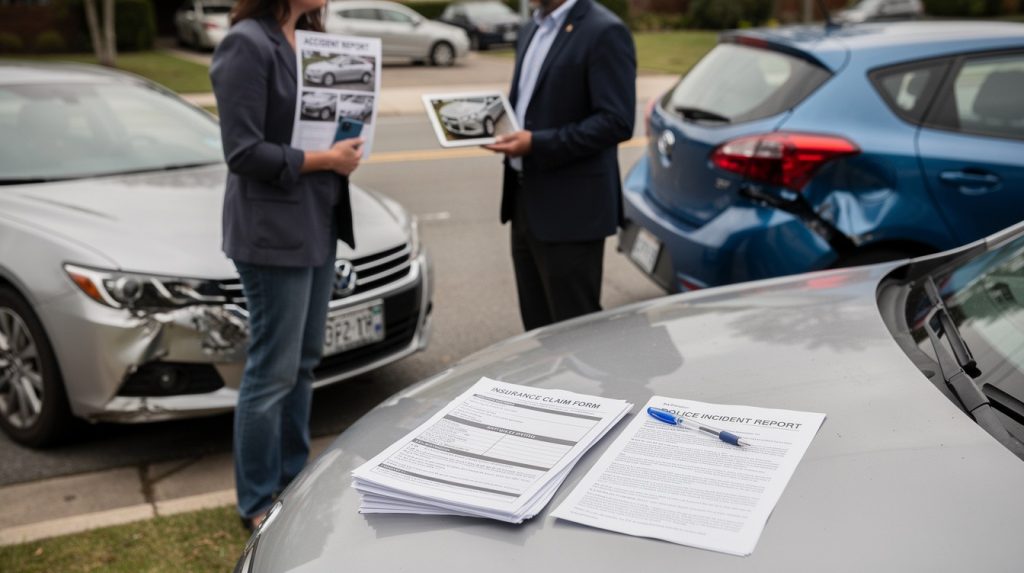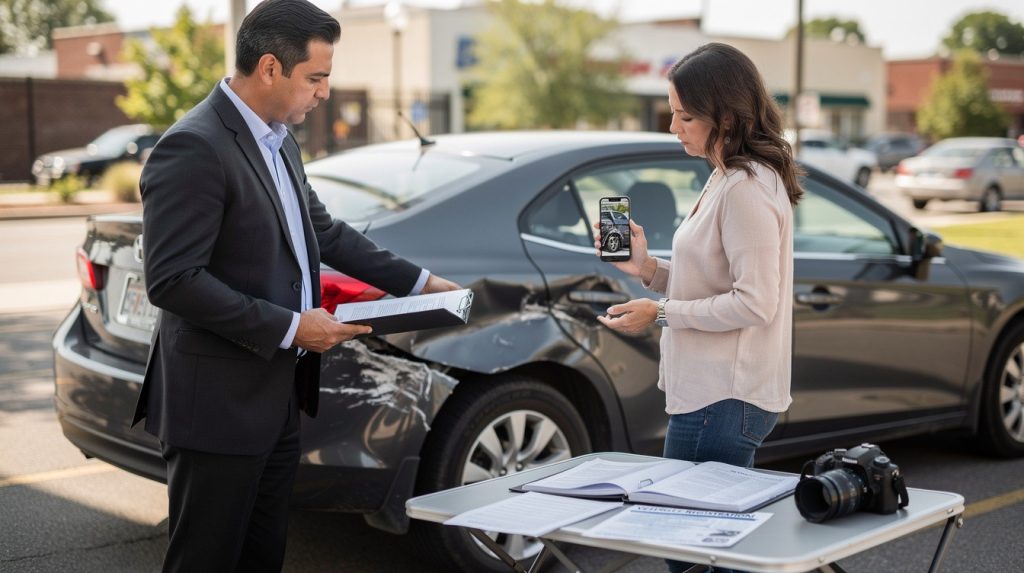
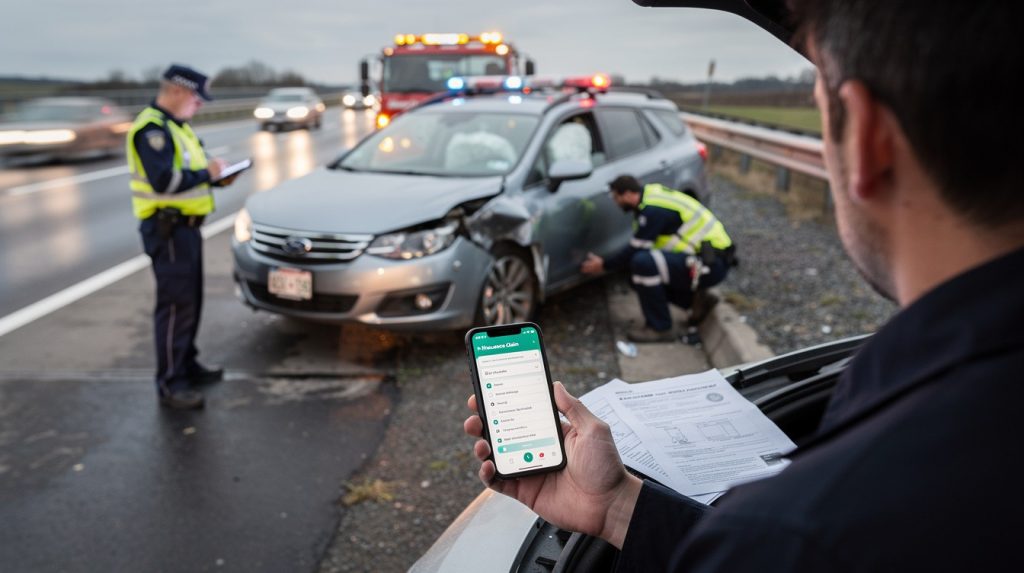
A Sacramento County car collision can leave you overwhelmed and unsure about what comes next. The steps you take immediately after the accident-and how you handle your insurance claim-directly affect your recovery and financial outcome.
We at O’Brien & Zehnder Law Firm have helped countless people navigate this process successfully. This guide walks you through each stage, from documenting the scene to avoiding costly mistakes that could weaken your claim.
What to Do Right After Your Sacramento County Collision
Prioritize Safety and Call for Help
The first hour after a crash determines whether your claim moves smoothly or gets derailed. Your priority is safety-move everyone out of traffic and call 911 if anyone is injured or if significant damage occurred. Once you’re safe, start documenting immediately.
Capture Evidence Before It Vanishes
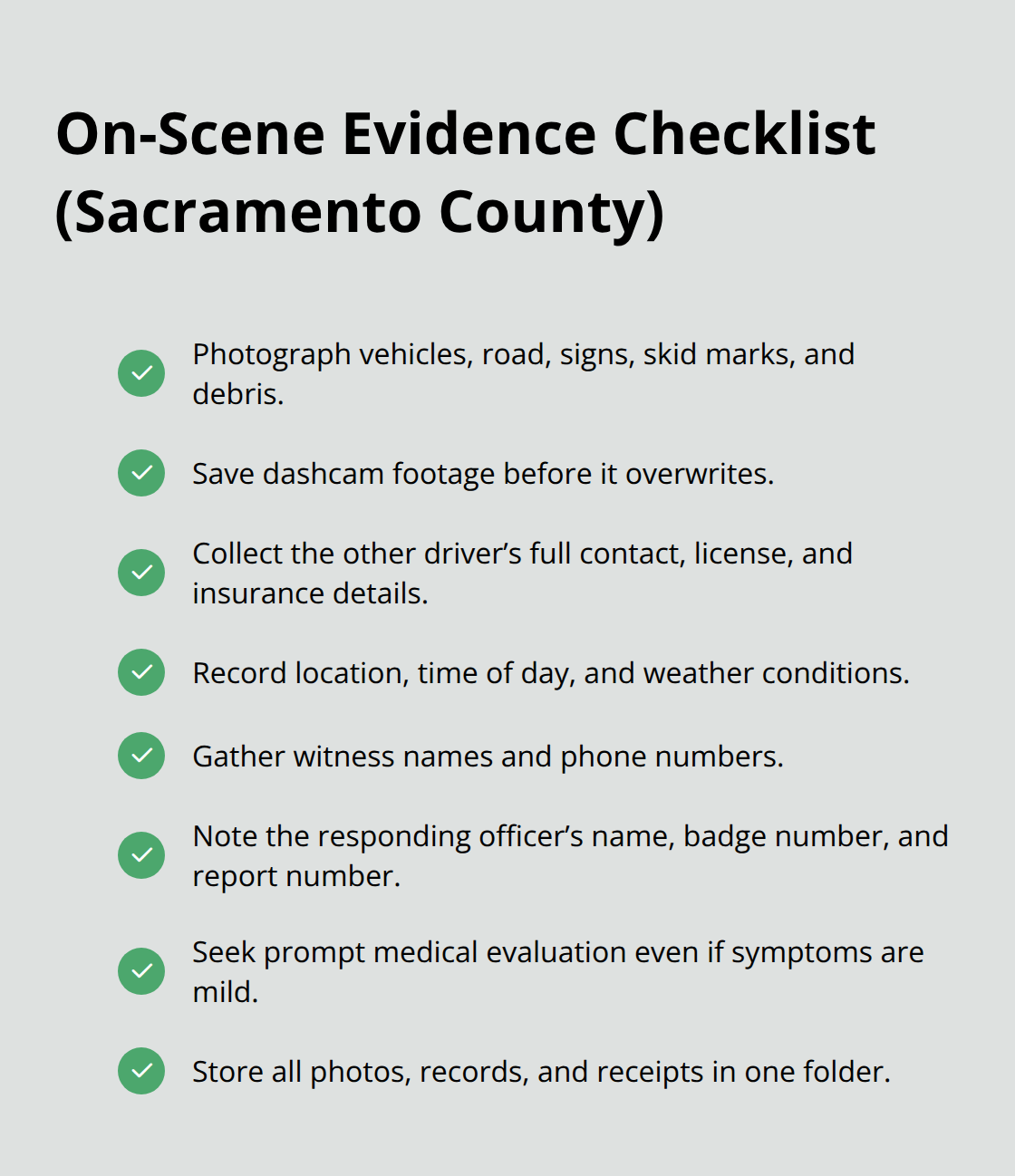
Take photos and videos from multiple angles of vehicle damage, road conditions, traffic signals, skid marks, debris, and the overall scene. Dashcam footage vanishes within days as devices loop and overwrite old files, so preserve any dashcam video now. The Insurance Information Institute recommends recording the accident location, time of day, and weather conditions as well.
Collect Information from the Other Driver
Get the other driver’s full name, phone number, address, driver’s license number, vehicle make and model, license plate, and insurance company with policy number. Photograph their insurance card directly. Do not admit fault or apologize-anything you say can be used against you later.
Gather Witness Details Quickly
Witness recollection degrades sharply after about 48 hours, so collect contact information from anyone who saw the crash. Ask for their name, phone number, and what they observed. If police respond, get the officer’s badge number and the report number, then ask when the official report will be available.
Report to Your Insurer and Understand Local Jurisdiction
Call your insurance company within 24–48 hours and report the collision, but avoid giving detailed statements until you understand your full situation. In Sacramento County, where the crash occurred determines which agency investigates: the Sacramento Police Department handles crashes within city limits under specific circumstances (serious injury, death, DUI, or city property involved), while the California Highway Patrol covers freeways and unincorporated areas. Elk Grove, Folsom, and Citrus Heights have their own police departments, and Rancho Cordova uses the Sacramento County Sheriff’s Office. For most minor collisions in the city, you can exchange information and file a report later online or at the police counter rather than waiting for an officer. If you’re unsure about the jurisdiction, file your claim in the county where the crash occurred.
Keep all photos, videos, receipts, repair estimates, medical records, and witness statements in one organized file. Seek medical attention promptly even if you feel fine-injuries like whiplash can appear days or weeks later, and a prompt medical evaluation links your symptoms to the collision and strengthens your claim. With your documentation complete and your insurer notified, you’re ready to understand what your policy actually covers and how the claims process unfolds.
What Your Sacramento County Insurance Policy Actually Covers
Your insurance policy contains specific coverage limits and exclusions that directly determine what you’ll receive after a collision. Most Sacramento County drivers misunderstand their own coverage until they file a claim and discover gaps.
Understanding Your Coverage Types
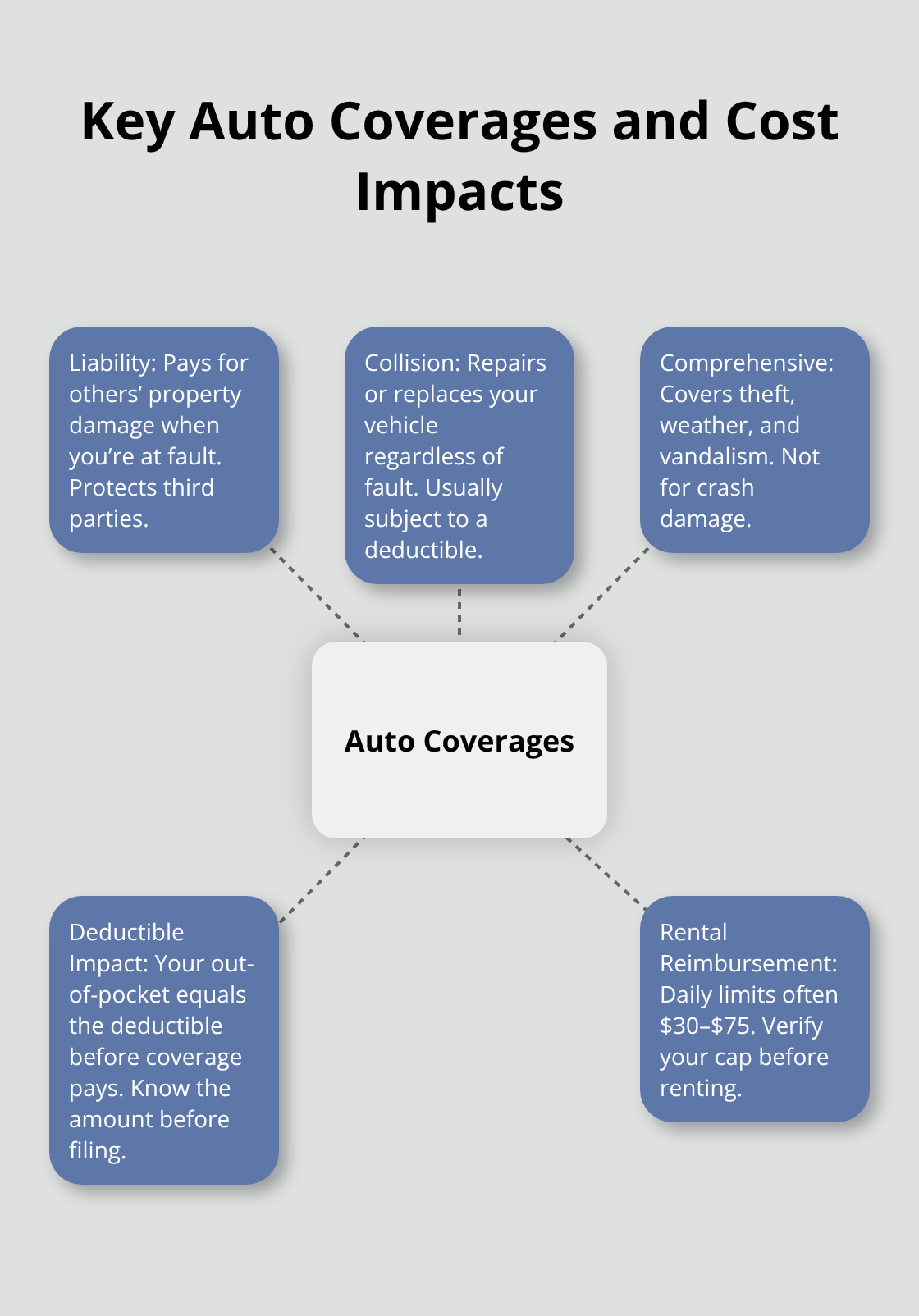
Liability coverage pays for damage you cause to someone else’s vehicle or property, while collision coverage pays to repair or replace your own vehicle regardless of fault. Comprehensive coverage handles theft, weather, and vandalism but not collisions. The Insurance Information Institute notes that knowing your deductible amount before filing matters significantly-if you carry a $500 deductible on a $1,500 repair, you pay $500 out of pocket. Transportation expense coverage (rental reimbursement) typically offers daily limits ranging from $30 to $75, so verify your limit before renting a car.
Timeline and Settlement Expectations
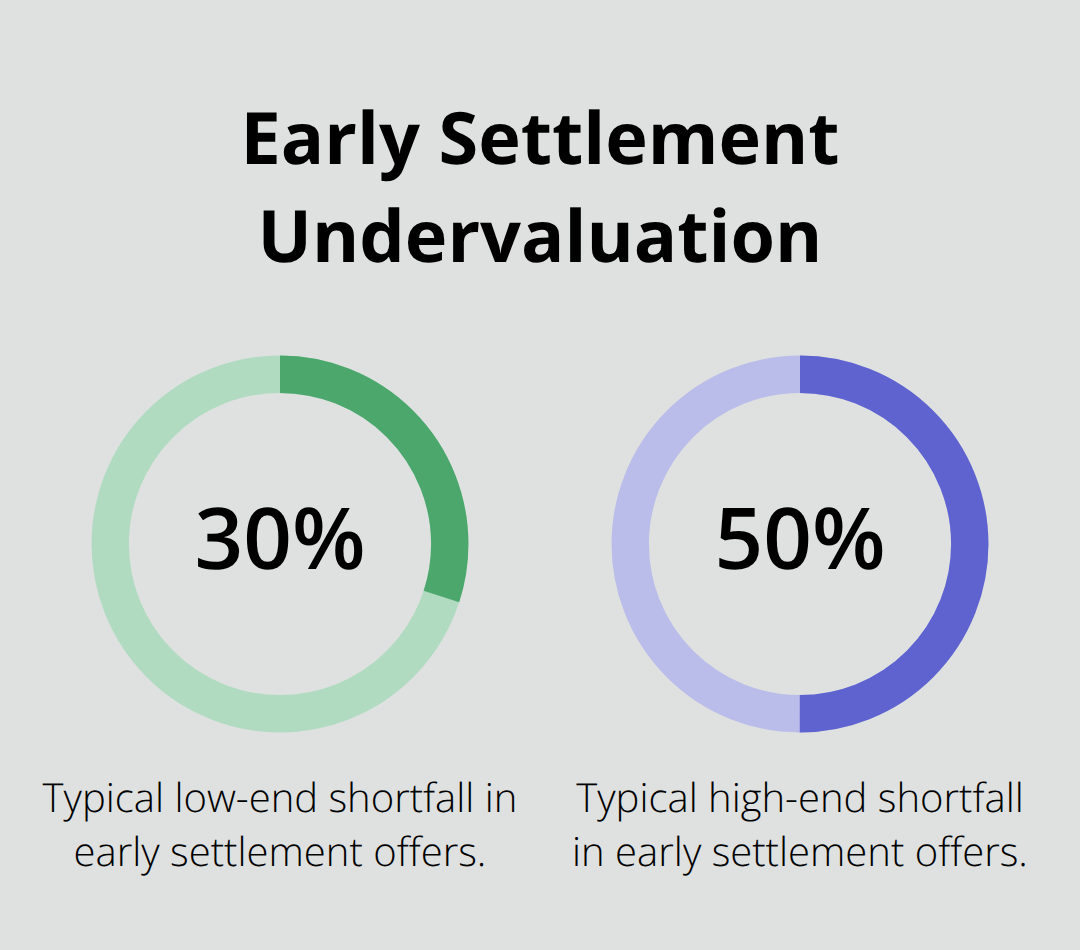
California law requires insurers to acknowledge claims within 30–45 days and typically offer settlements within 60–90 days if liability is clear and injuries are minor. However, accepting an early offer while medical treatment continues often leaves you short by 30–50% compared to what a jury might award. Medical payments coverage on your auto policy can pay for initial treatment while your claim processes, but hospitals may place a lien under California Civil Code 3045.1, reducing your net recovery by 20–35%.
Building Your Damages File
Start building your damages file immediately by gathering medical records, repair invoices, wage loss documentation, and witness statements. Request preservation of any video evidence from businesses, homeowners, or public agencies in writing as soon as possible, since dashcams and doorbell cameras overwrite footage within days. An insurance adjuster will inspect your vehicle and prepare a repair estimate, but you have the right to choose your own repair shop and request original equipment manufacturer parts-verify your policy language to know what’s covered, as some insurers restrict OEM parts and you may owe the difference. Keep all receipts, explanations of benefits, and pharmacy records because gaps in your medical documentation undermine your claim’s value.
Special Circumstances in Sacramento County
If you owe more on your car than its actual cash value after a total loss, gap insurance covers the difference-this matters in Sacramento County where many drivers finance vehicles that depreciate quickly. Processing times and required steps vary by insurer, so consult your specific policy details. If a public agency was involved (a city vehicle, Sacramento Regional Transit bus, or state vehicle), the six-month government-claim deadline under California Government Code 911.2 applies instead of the standard two-year deadline for personal injury lawsuits, making immediate action critical. These government-entity claims demand faster response than standard insurance claims, which means understanding whether a public agency played a role in your collision shapes your entire timeline and strategy moving forward.
Three Mistakes That Tank Your Sacramento County Claim
The gap between what you think your claim is worth and what you actually receive often comes down to decisions you make in the first weeks after your collision. Many Sacramento County drivers inadvertently weaken their position through preventable errors that insurers exploit during settlement negotiations.
Speaking Freely When Silence Protects You
Anything you say to the other driver, witnesses, police, or social media can be used against you later. Saying “I’m sorry,” “I wasn’t paying attention,” or even “I think the light was yellow” creates a record that contradicts your claim. Insurance adjusters and defense attorneys will pull this statement during settlement discussions or trial and use it to reduce your payout. The safer approach is simple: exchange information, answer police questions factually without elaborating, and discuss details only with your attorney and insurer’s claims handler.
Rejecting Early Offers That Undervalue Your Damages
Insurers typically extend initial offers within 60–90 days if liability appears clear and injuries seem minor, but these early offers routinely cover only medical bills and vehicle repairs while omitting lost wages, pain and suffering, reduced earning capacity, and future medical care. Research shows that initial settlement proposals often fall 30–50% below what a jury might award, particularly when treatment is ongoing.
You have no obligation to accept an offer while you still receive physical therapy or specialist care.
Build your damages file first by collecting all medical records, repair invoices, wage loss documentation from your employer, and receipts for any expenses related to the collision. Use this documentation to send a written demand letter with a specific dollar target to your insurer, which shifts the negotiation from their opening number to your evidence-based request. If negotiations stall and liability remains clear, filing a lawsuit signals to the insurer that you’re serious about pursuing the claim, which often prompts a stronger settlement offer because litigation costs them money in attorney fees and discovery expenses.
Missing California’s Filing Deadlines
You have two years to file a personal injury lawsuit and three years for property damage claims, but if a city vehicle, Sacramento Regional Transit bus, or state vehicle caused your collision, the deadline shrinks to six months to file an administrative claim under Government Code 911.2. Missing this six-month window permanently bars your claim against that public agency, regardless of how strong your case is. Within those six months, you must also allow 45 days for the agency to respond before you can file a lawsuit.
Understanding which agency investigated your crash and whether a government vehicle played a role determines your entire timeline and strategy. Confirm these deadlines within the first two weeks after your collision so you never face a missed deadline that erases your recovery.
Conclusion
Filing a Sacramento County car collision claim successfully hinges on three actions you control: documenting everything immediately, understanding what your policy actually covers, and avoiding statements that weaken your position. The steps you take in the first 48 hours after your accident determine whether your claim moves forward smoothly or gets tangled in disputes over fault and damages. Initial settlement offers typically undervalue your recovery by 30–50%, witness recollection fades within two days, and government-entity claims operate under a six-month deadline instead of the standard two-year window.
When liability is disputed, injuries are significant, or your insurer denies the claim, legal guidance becomes necessary rather than optional. Many Sacramento County drivers wait too long before consulting an attorney, accepting lowball offers or missing critical deadlines that permanently bar recovery. The difference between handling a claim alone and having someone review your case often amounts to thousands of dollars in additional recovery.
If you’re uncertain whether your claim is valued correctly, whether you’ve met all filing deadlines, or whether accepting a settlement offer makes sense, a free consultation can clarify your position and next steps. We at O’Brien & Zehnder Law Firm help Sacramento-area residents understand and pursue claims involving car, truck, motorcycle, and pedestrian incidents, with many cases handled on a contingency basis so you pay nothing unless you recover. Contact us to discuss your case and confirm the deadlines and recovery potential specific to your situation.