A big vehicle crash in Sacramento County can leave you overwhelmed and uncertain about what comes next. The decisions you make in the hours and days following the collision directly affect your ability to recover damages and protect your interests.
We at O’Brien & Zehnder Law Firm have guided countless crash victims through this process. This guide walks you through the essential steps to safeguard your rights from the moment of impact through settlement.
What to Do Right After a Big Vehicle Crash in Sacramento County
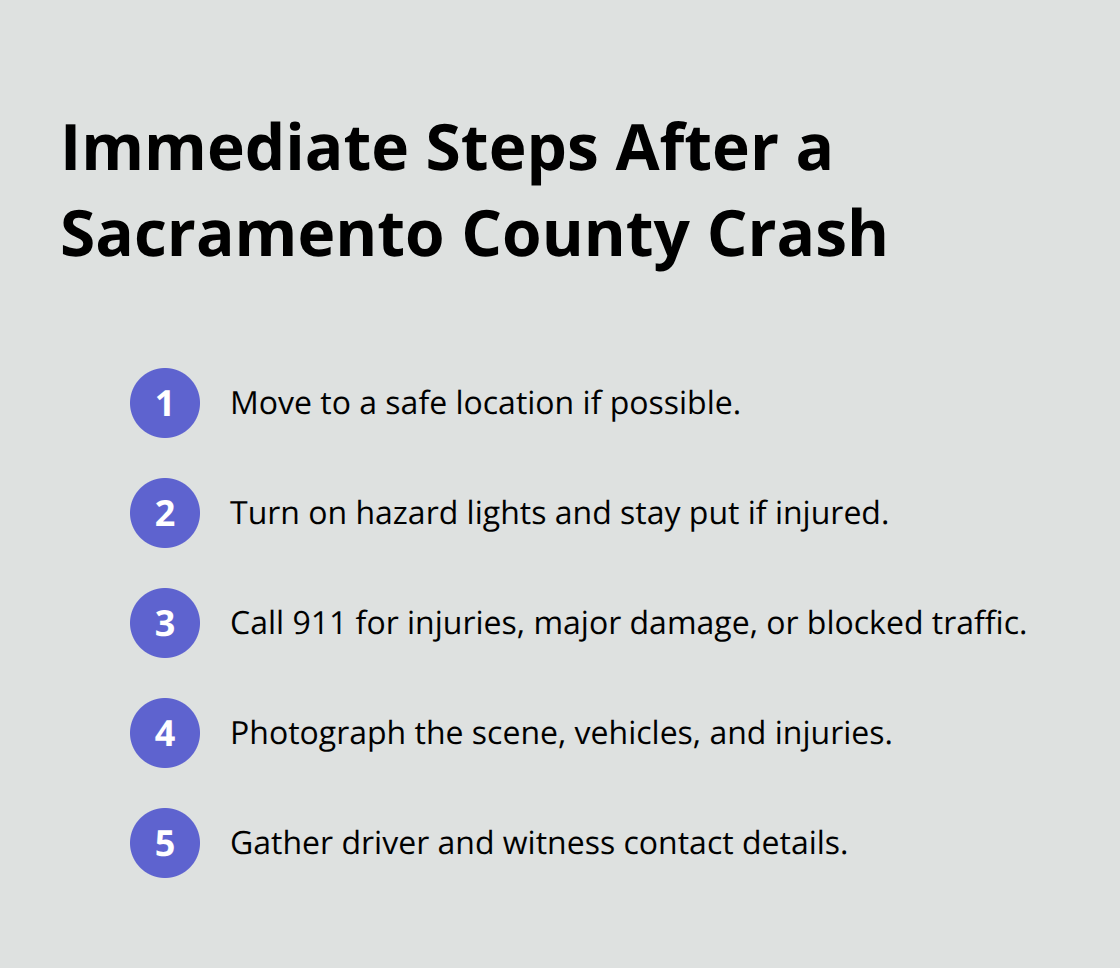
The first minutes after a crash determine how strong your claim becomes. Your actions set the foundation for insurance recovery and any legal action that follows. Start by moving to safety if the vehicle is operational and it’s physically safe to do so. If you’re injured or the vehicle won’t move, stay put and activate hazard lights. Call 911 immediately if anyone is injured, if there’s significant property damage, or if traffic is blocked.
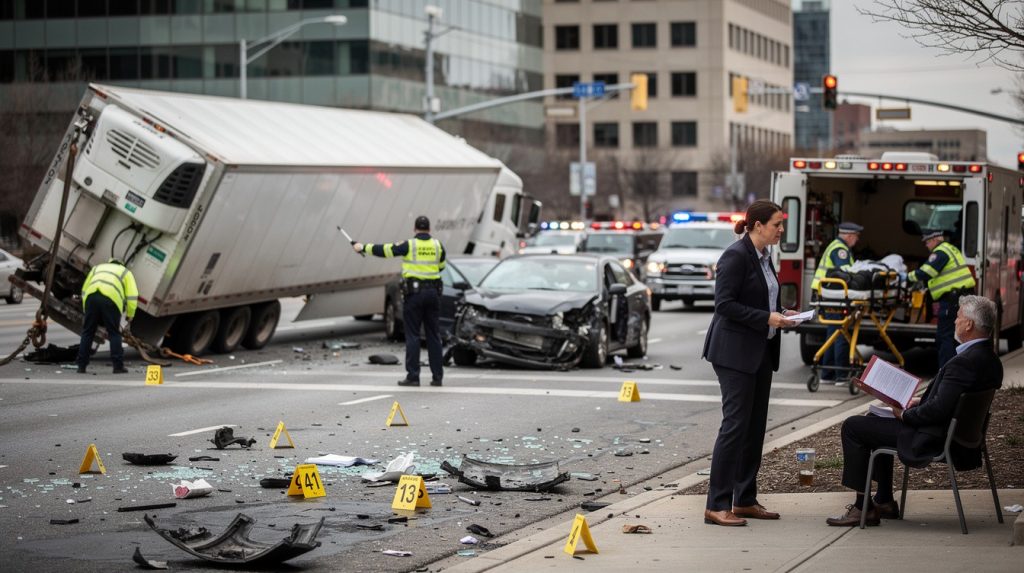
Sacramento County law enforcement will document the scene officially, creating a police report that insurers and courts rely on heavily.
Capture Evidence Before It Disappears
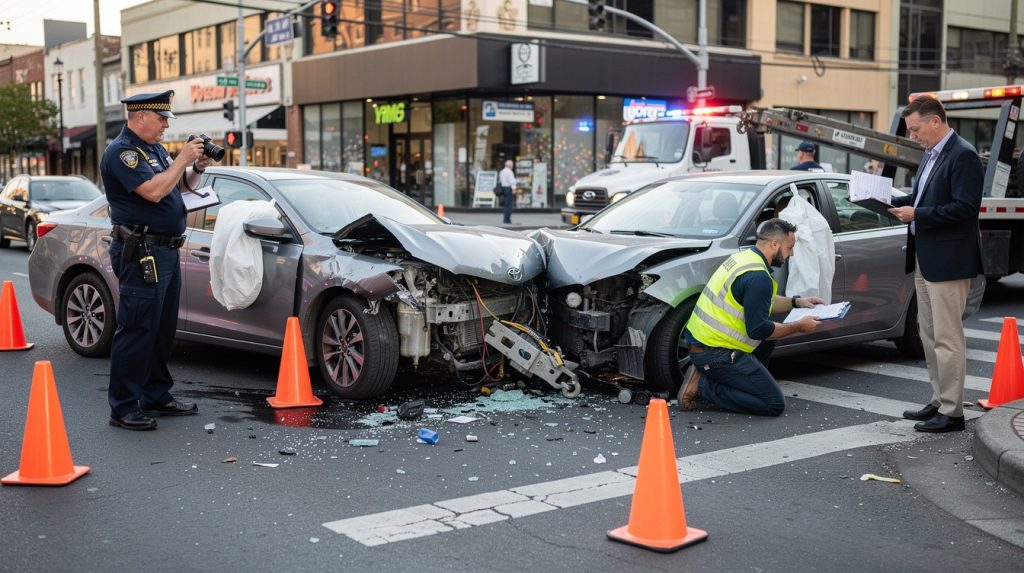
Photograph everything before anyone moves vehicles or clears debris. Take wide shots showing the overall scene, the position of all vehicles involved, and road conditions like skid marks, potholes, or traffic signals. Zoom in on vehicle damage from multiple angles, including close-ups of license plates. Photograph injuries if you’re comfortable doing so, as medical photos taken immediately often carry more weight than those taken days later. Record video of the scene too, narrating what you see and any hazardous conditions. This visual evidence often contradicts what at-fault drivers or their insurers later claim. Don’t rely on police photos alone-law enforcement focuses on crash reconstruction, not the comprehensive documentation you need for insurance claims.
Collect Names, Contact Details, and Witness Information
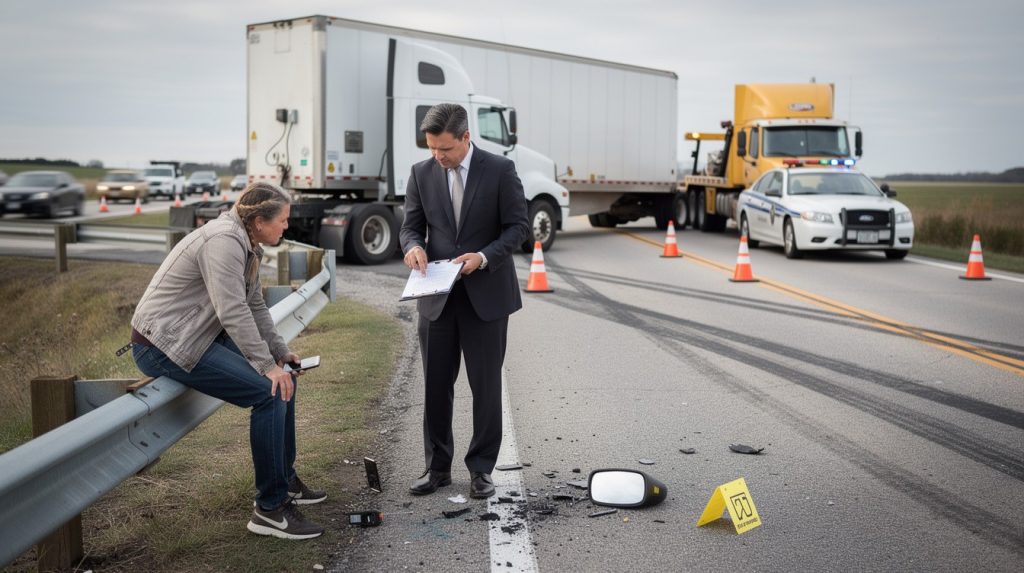
Write down the full names, phone numbers, addresses, and insurance information from every driver involved. Obtain their driver’s license numbers and license plate numbers. Ask for their employer information if relevant. Collect the vehicle identification number from each vehicle. If passengers are present, get their contact details too. Most importantly, identify and speak with independent witnesses-people who saw the crash happen. Obtain their names, phone numbers, and email addresses before they leave. Witnesses often disappear or change their story later, so capturing their information immediately is non-negotiable. Don’t trust that police will locate them; you need your own witness list for your claim.
File the Police Report and Protect Your Statements
Law enforcement will interview you and other parties at the scene. Stick to factual statements about what you saw and experienced. Don’t apologize, don’t speculate about fault, and don’t make statements that could be twisted against you later. You have rights you can exercise, and you can politely decline to answer questions beyond basic identification and insurance information if you feel uncomfortable. Request the police report number before officers leave the scene. In Sacramento County, you can obtain the full police report within days through the Sacramento Police Department or the relevant agency. This report becomes critical evidence in your claim, so obtain it promptly and review it carefully for inaccuracies. Once you have secured this documentation, understanding what your insurance policy actually covers becomes your next priority-a step that separates those who recover fully from those who leave money on the table.
Your Insurance Policy and Fault in Sacramento County
Most people assume their insurance covers everything after a crash, then discover painful gaps when the claim is filed. Your policy contains specific coverage limits, deductibles, and exclusions that determine what you actually recover.
Understand Your Coverage Limits and Deductibles
Locate your insurance declarations page, which lists your bodily injury liability limits, property damage liability limits, uninsured/underinsured motorist coverage, collision coverage, and comprehensive coverage. California law requires minimum liability coverage of $15,000 per person and $30,000 per accident for bodily injury, plus $5,000 for property damage, but these minimums leave you dramatically underprotected in serious crashes. If the at-fault driver carries only minimum coverage and your medical bills exceed $15,000, their policy maxes out and you absorb the rest unless you have uninsured or underinsured motorist coverage. Read your policy now, before you need it. Identify your deductible amount for collision and comprehensive claims, understand what your uninsured motorist limits are, and note any exclusions that might apply to your situation.
How Comparative Negligence Affects Your Recovery
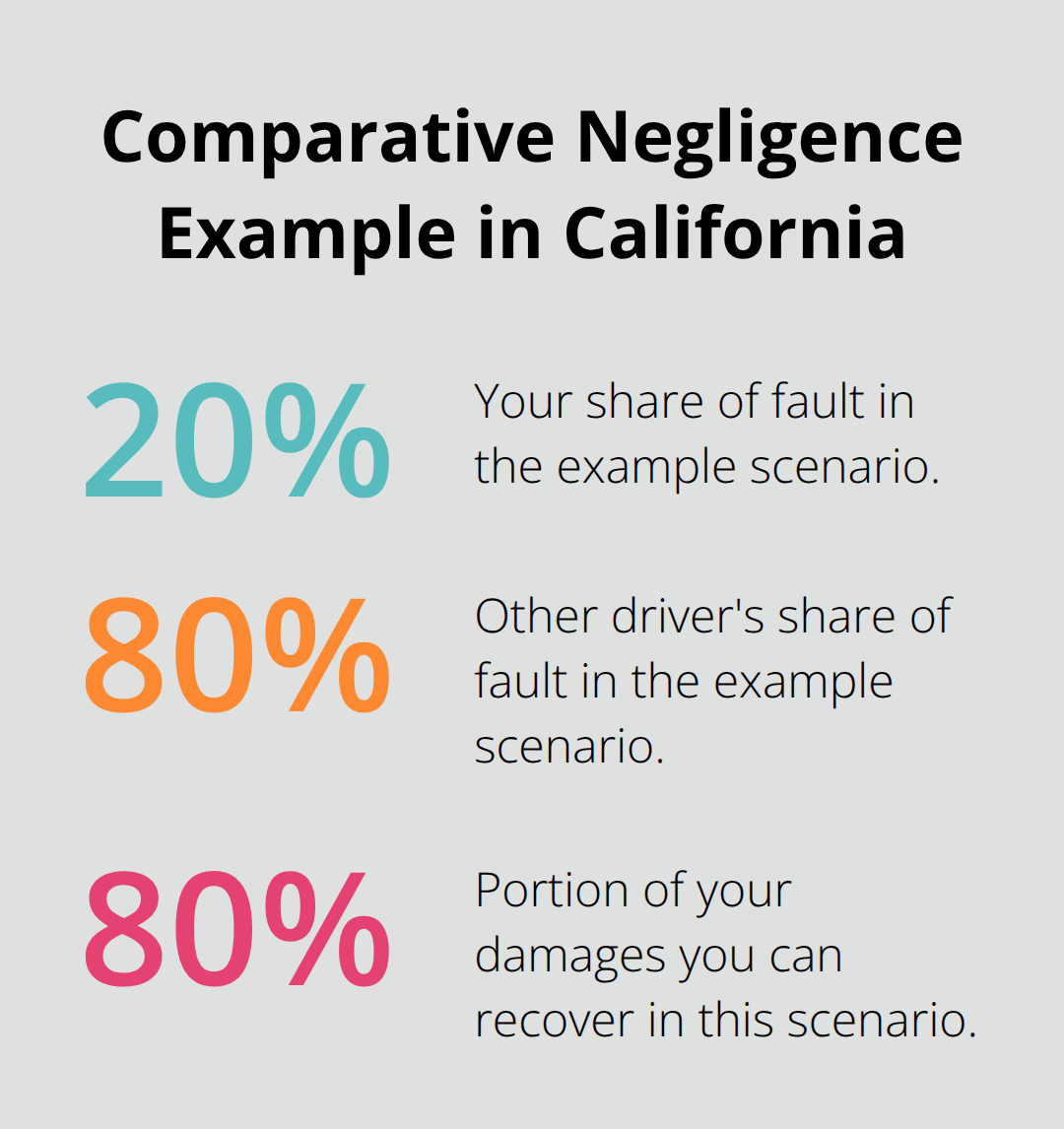
Fault determination in Sacramento County follows comparative negligence rules, meaning the court can assign fault percentages to multiple parties. If you are found 20 percent at fault and the other driver 80 percent at fault, you recover 80 percent of your damages. This is why the police report and witness statements you gathered matter intensely.
Insurance adjusters use these documents to build their fault determination, and their initial assessment often sticks unless you provide contradictory evidence.
Challenge Incorrect Fault Determinations
If the other driver claims you caused the crash, your photos, video, witness statements, and police report become your defense. Don’t accept the adjuster’s fault determination if it contradicts the evidence. Push back with documentation and demand they explain their reasoning in writing. Many adjusters settle disputes quickly once they realize you have documented the scene thoroughly.
When Legal Representation Becomes Necessary
When fault is genuinely disputed or when injuries are significant, legal representation shifts the balance heavily in your favor. The at-fault driver’s insurance company has adjusters, investigators, and attorneys working to minimize their payout. You deserve someone equally qualified working for you. A Sacramento-area personal injury firm like O’Brien & Zehnder Law Firm handles these negotiations directly with insurers, removing the back-and-forth burden from you. As you move forward with your claim, the next critical step involves organizing your medical records and understanding how insurers evaluate your damages.
How to Build a Strong Claims File in Sacramento County
File Your Claim Immediately After the Crash
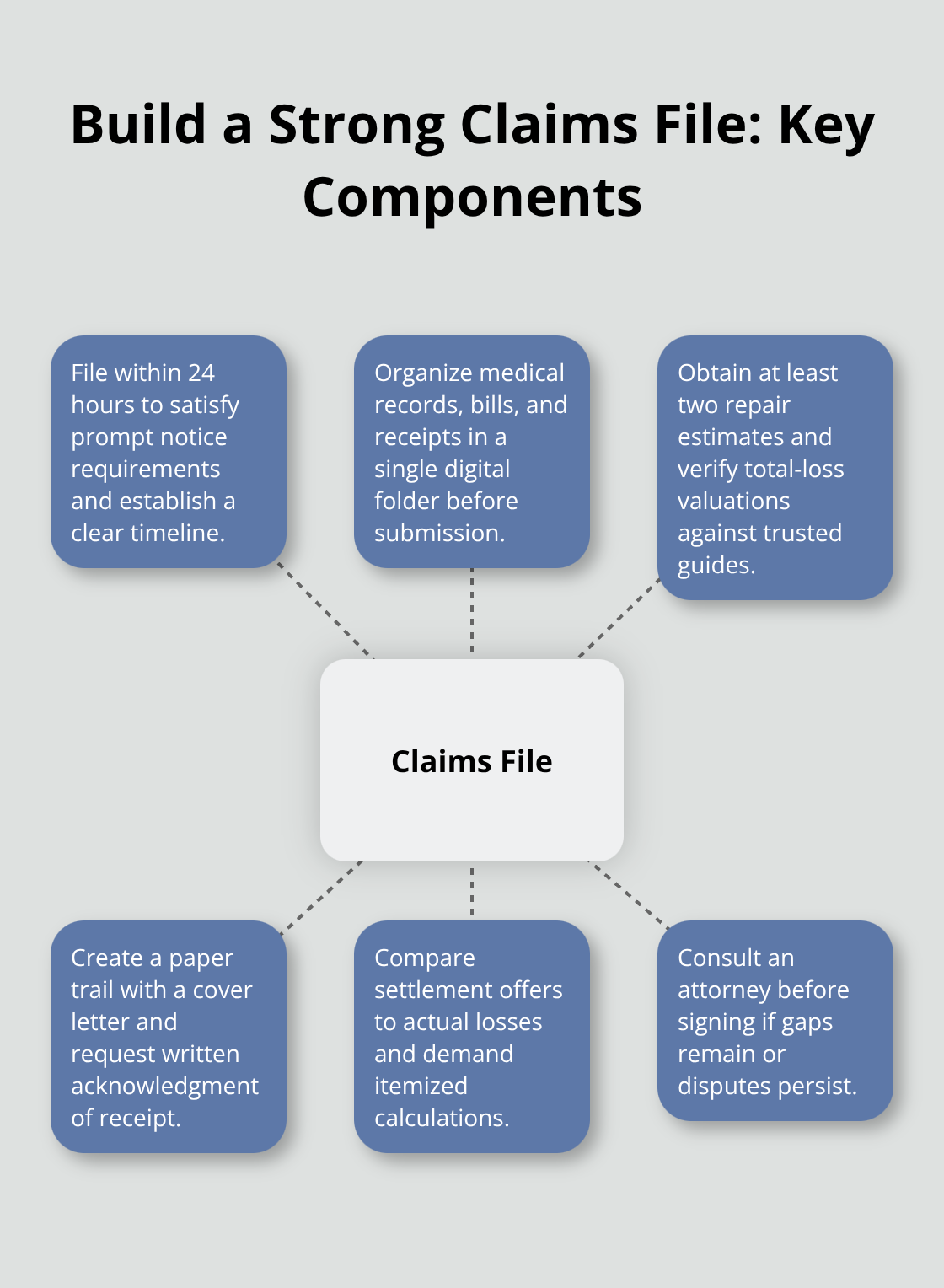
File your claim with your insurance company within 24 hours of the crash, not days later. Most policies require prompt notice, and delays give adjusters reasons to question your credibility or deny coverage. When you call, have your police report number ready, along with the other driver’s insurance information and a brief description of what happened. Stick to facts and avoid opinions about fault or severity. Many people wait to file because they’re unsure about injuries or costs, but this hesitation weakens your position. The moment you call establishes an official timeline that protects you.
Within days of filing, request a claims adjuster assignment and ask for their direct contact information and email address. You’ll communicate with this person repeatedly, so establish clear expectations immediately. Tell them you’re gathering documentation and will submit it within two weeks.
This deadline keeps you accountable while giving you time to collect what you need.
Organize Medical Records and Repair Documentation
Collect medical bills, emergency room reports, doctor’s notes, prescription receipts, physical therapy invoices, and any diagnostic imaging results like X-rays or MRI reports. Include receipts for over-the-counter pain medications, medical equipment like crutches or braces, and transportation costs to medical appointments. Organize these materials in a single digital folder before you submit anything to the insurance company.
Collect written repair estimates from at least two mechanics, showing line-item breakdowns of labor and parts. If your vehicle is totaled, obtain the insurance company’s valuation report and compare it against independent sources like the National Automobile Dealers Association guide or Kelley Blue Book. Don’t accept their valuation without pushback if it’s significantly lower than market rates for similar vehicles in Sacramento County. Photograph your vehicle damage from multiple angles if you haven’t already.
Submit Documentation With a Clear Paper Trail
Submit all documentation to your adjuster with a cover letter listing what’s included and requesting written acknowledgment of receipt. This creates a paper trail proving you provided thorough documentation on time. Insurance companies make initial offers intentionally low, counting on injured people to settle fast while in pain or financial stress.
Evaluate Settlement Offers Against Your Actual Losses
Compare their offer against your total documented losses, including medical expenses, lost wages, vehicle damage, and ongoing treatment costs. If their offer covers only 60 percent of your actual expenses, request a written explanation of how they calculated the settlement. Ask them to itemize their offer so you see exactly what they’re valuing each category at. Demand they justify any reductions they’ve applied. Many adjusters will increase offers when confronted with specific questions about their methodology.
If the gap between their offer and your documented losses remains substantial, contact a personal injury firm like O’Brien & Zehnder Law Firm for a consultation before signing anything. A Sacramento-area personal injury practice can handle these negotiations directly with insurers, removing the back-and-forth burden from you.
Final Thoughts on Protecting Your Rights After a Big Vehicle Crash in Sacramento
Document every expense tied to your crash without exception. Medical copays, prescription costs, mileage to appointments, childcare during recovery, and lost wages from missed work all belong in your claim file. Insurance companies count on injured people to forget smaller costs, then use incomplete documentation as justification to lowball their offers, so your thorough expense record prevents this tactic from working.
Social media posts about your crash can destroy your claim faster than almost anything else. Photos showing you at social events, posts describing your activities, or comments minimizing your injuries give adjusters ammunition to argue you’re not as hurt as you claim. Set your accounts to private immediately after a big vehicle crash in Sacramento and avoid posting anything related to the incident, your recovery, or your daily activities for months.
Before you sign any settlement agreement or release document, have a qualified attorney review it (settlement releases are permanent once signed). An attorney from O’Brien & Zehnder Law Firm can identify problematic language, negotiate better terms, and confirm the settlement amount actually covers your losses. This single step often results in substantially higher payouts than you’d receive alone.