A car crash in Sacramento County can leave you overwhelmed and unsure about what comes next. Understanding how your car crash insurance Sacramento policy actually works is the first step toward protecting yourself and your finances.
We at O’Brien & Zehnder Law Firm have helped countless Sacramento County residents navigate the claims process after accidents. This guide walks you through each stage, from the immediate aftermath to settlement negotiations.
Your First Steps After a Sacramento County Car Crash
Document the Scene Immediately
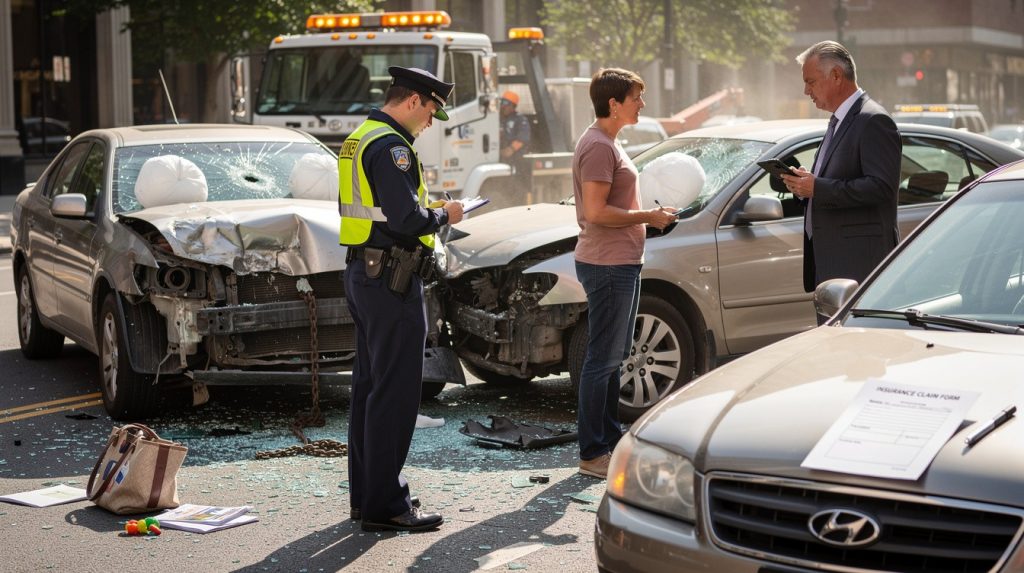
The moments after a car crash determine how smoothly your insurance claim will proceed. Your actions in the first hour matter far more than most people realize. Move to safety if possible, then shift your focus to documentation. Take photos of vehicle damage from multiple angles, capture the accident scene including road conditions and traffic signals, and photograph any visible injuries. Use your phone’s timestamp feature or note the exact time you took each photo.
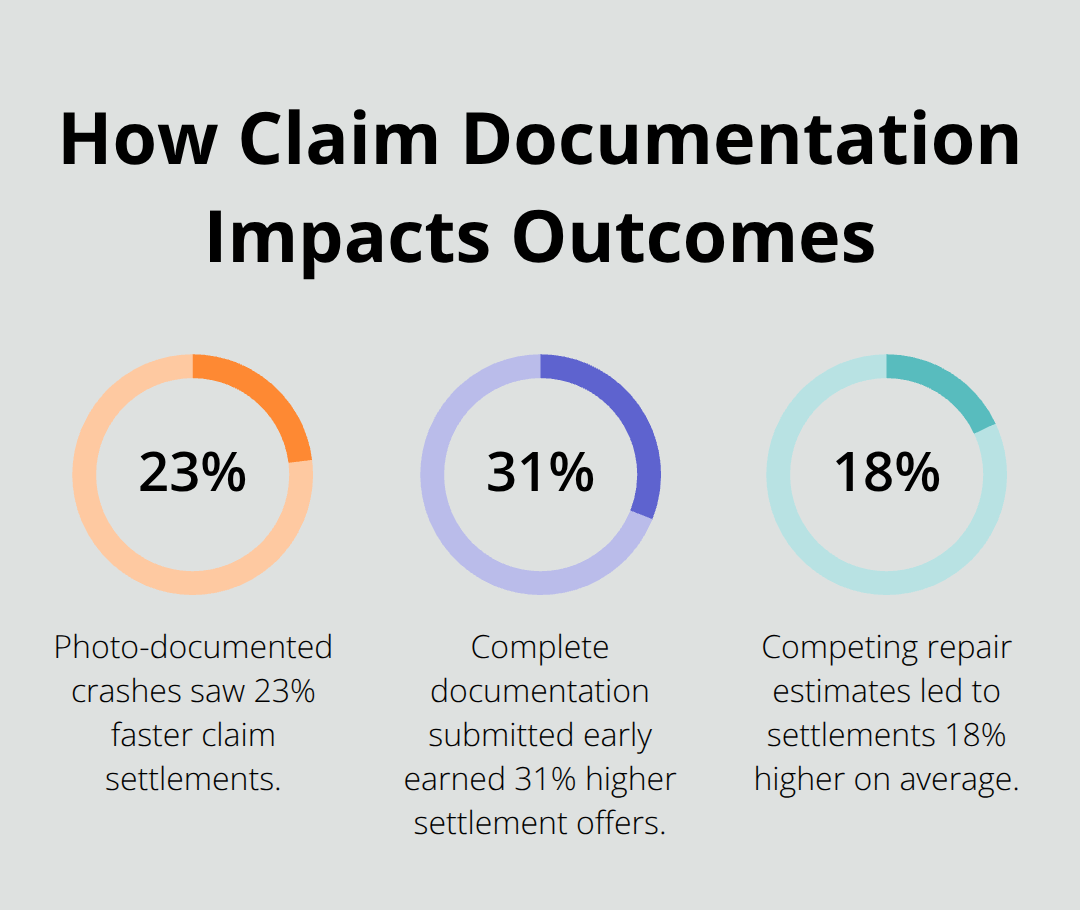
According to the National Highway Traffic Safety Administration, vehicles involved in crashes where drivers documented the scene with photos had 23% faster claim settlements compared to those without visual evidence. Write down the other driver’s name, phone number, address, driver’s license number, and license plate. Get their insurance company name and policy number. Collect contact information from any witnesses at the scene, including their phone numbers and email addresses. If a police officer responds, obtain their name and the report number. This documentation becomes your foundation for the insurance process and prevents memory gaps weeks later.
Contact Your Insurance Company Promptly
Contact your insurance company within 24 hours of the accident. Most policies require prompt notification, and delaying could jeopardize your coverage. When you call, describe what happened factually without admitting fault or speculating about causes. Provide the police report number if one was filed.
Answer questions directly but stick to observable facts: vehicle speeds, directions of travel, traffic signals, and weather conditions. Do not volunteer opinions about who caused the accident. Your role is to report what you saw and experienced, not to interpret events.
Seek Medical Attention Right Away
Seek medical attention immediately if you experience any pain, dizziness, or discomfort, even if symptoms seem minor. Many injuries from car crashes appear hours or days later, and medical records created immediately after the accident strengthen your claim significantly. If you decline emergency transport at the scene, still schedule a doctor’s appointment within 48 hours.
Medical documentation creates an official record linking your injuries directly to the crash, which insurers require to approve treatment and compensation claims. This step protects both your health and your financial recovery. With your immediate actions complete and medical care underway, you can now focus on understanding what your policy actually covers.
What Your Sacramento County Car Insurance Policy Actually Covers
Liability Coverage: What You’re Required to Carry
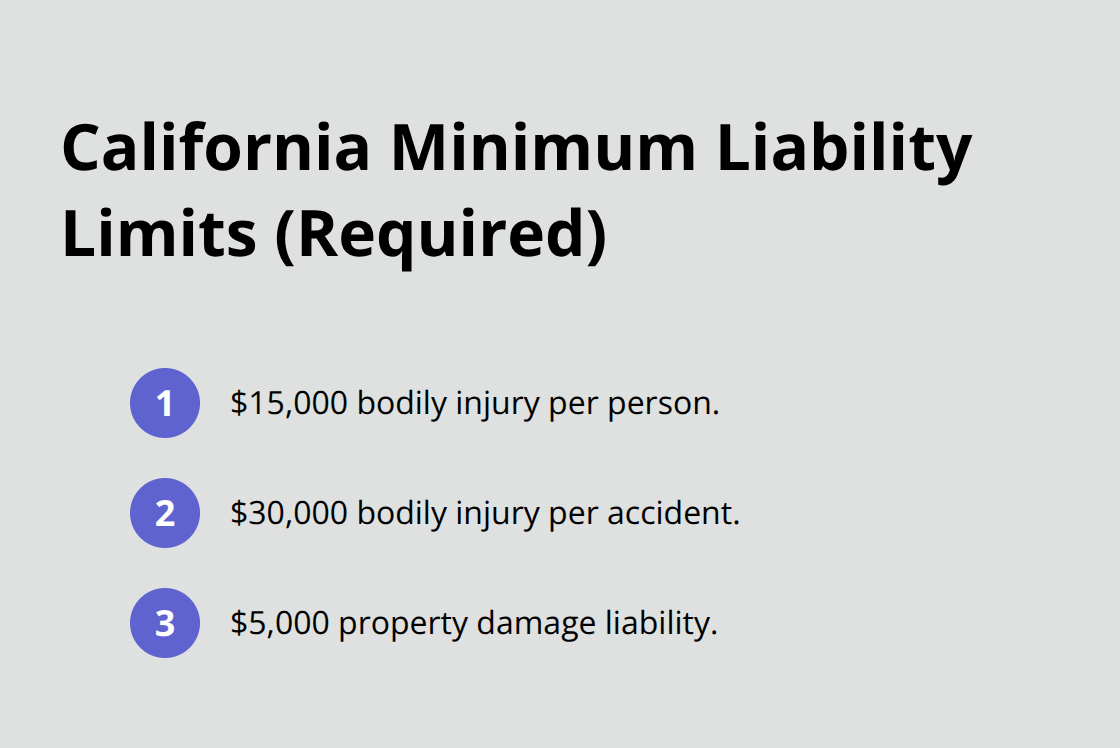
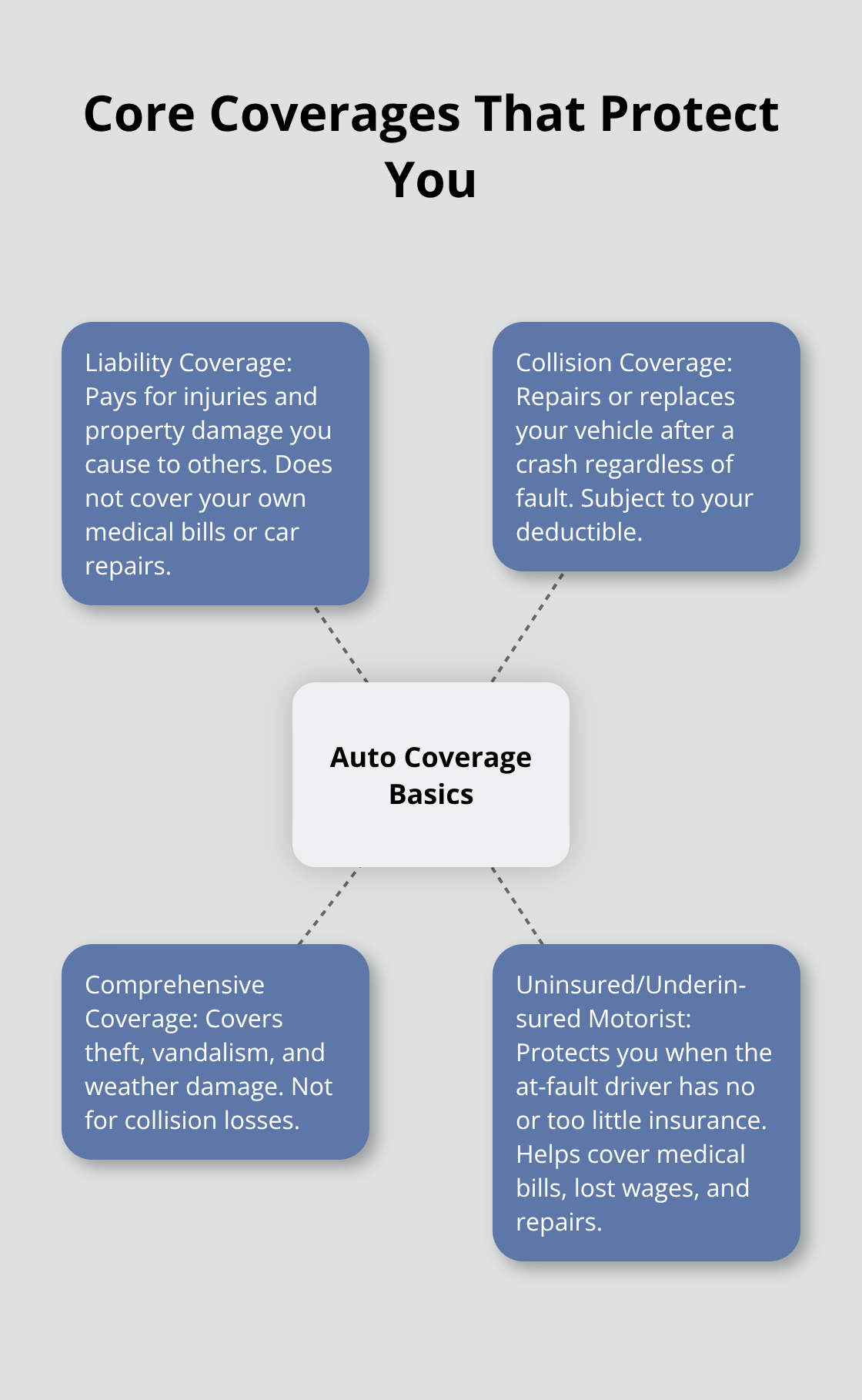
Your liability coverage pays for damage you cause to other people and their vehicles, but it won’t pay for your own repairs or medical bills. California requires minimum liability limits of $15,000 for injury to one person, $30,000 for injuries to multiple people, and $5,000 for property damage, according to the California Department of Insurance. These minimums are dangerously low.
If you cause a serious accident, medical costs and vehicle damage easily exceed these amounts, leaving you personally liable for the difference.
Most Sacramento County drivers carry only the state minimum because it’s required, then face massive out-of-pocket costs when their liability exposure grows. We recommend carrying at least $100,000 in liability coverage per person and $300,000 per accident because Sacramento County has significant traffic and higher injury costs than rural areas. This additional protection costs roughly $20 to $40 per six-month policy period but prevents financial ruin.
Collision and Comprehensive Coverage for Your Vehicle
Collision coverage pays to repair or replace your vehicle after an accident regardless of fault, but you’ll pay a deductible (typically between $250 and $1,000). Comprehensive coverage handles theft, weather, and vandalism-not collisions. Many drivers carry only liability because it’s required, then absorb massive out-of-pocket costs when their own vehicle needs repairs after a crash.
If you financed or leased your vehicle, your lender requires collision and comprehensive coverage. Even if you own your car outright, these coverages protect your financial investment. A single accident can total your vehicle, and without collision coverage, you’d replace it entirely from your own funds.
Uninsured and Underinsured Motorist Protection
Uninsured and underinsured motorist coverage protects you when the other driver lacks adequate insurance or flees the scene. According to the Insurance Research Council, roughly 13 percent of drivers in California operate without insurance, and in Sacramento County’s urban areas this rate runs higher. If an uninsured driver hits you and causes $40,000 in damages, your uninsured motorist coverage covers your medical bills, lost wages, and vehicle repairs up to your policy limit. Without this coverage, you’d absorb the entire loss unless you pursue a lawsuit against the uninsured driver, who typically has no assets.
Underinsured motorist coverage activates when the at-fault driver’s liability limits are too low to cover your actual damages. Sacramento County residents should carry uninsured and underinsured motorist limits matching their liability limits-ideally $100,000 per person and $300,000 per accident. This coverage costs roughly $15 to $25 more per six-month policy period but prevents financial devastation when you collide with an inadequately insured driver.
Moving Forward with Your Claim
Understanding your coverage limits matters far less than actually filing your claim correctly. The next section walks you through the claims process step-by-step, from initial filing through settlement negotiations.
The Insurance Claims Process in Sacramento County
File Your Claim Within Days, Not Weeks
Your insurance claim within the first few days sets the tone for everything that follows. Most insurance companies require notification within 30 days, but waiting that long signals disorganization or uncertainty about the accident’s severity. When you call your insurer, have your policy number, driver’s license, and the police report number ready. Describe the accident factually: location, time, weather conditions, vehicle positions, and what you observed. Do not speculate about fault or accept responsibility for the crash.
Your insurance adjuster will investigate independently, and anything you say can be used against your claim later. Submit your documentation package within one week of filing: the police report, photos from the scene, vehicle damage photos, medical records, repair estimates, and contact information for any witnesses. The Insurance Institute for Highway Safety found that claims with complete documentation submitted early received 31 percent higher settlement offers than those with delayed or incomplete submissions.
Prepare for the Vehicle Inspection
Your insurance adjuster will contact you to schedule a vehicle inspection and discuss your injuries. Adjusters work for the insurance company, not for you, so treat every interaction as part of a formal process. Answer questions directly but provide only what’s asked-do not volunteer additional information or opinions.
When the adjuster inspects your vehicle, have your repair shop present if possible. Independent mechanics often identify hidden damage that insurance inspectors miss. Request a copy of the adjuster’s inspection report and damage assessment in writing. If you disagree with their valuation, obtain an independent repair estimate from a certified shop and submit it to your adjuster with a written explanation of the discrepancies.
Negotiate Your Settlement Offer
The National Association of Insurance Commissioners reports that drivers who provide competing repair estimates receive settlements 18 percent higher on average than those who accept the initial offer without question. Settlement negotiations typically take four to eight weeks for straightforward claims, but injuries that require ongoing treatment extend this timeline significantly.
If the adjuster’s offer falls short of your documented expenses and losses, respond in writing with a detailed breakdown of why their figure is inadequate (supported by medical bills, repair estimates, and wage loss documentation). Avoid accepting the first offer-insurers routinely propose low initial figures expecting pushback. If negotiations stall or you believe the insurer is acting in bad faith, a personal injury attorney can review your claim and advise whether legal action makes sense for your situation.
Final Thoughts
The steps you take immediately after a Sacramento County car crash determine whether your insurance claim succeeds or fails. Document everything at the scene with photos and witness information, report the accident to police and your insurer within 24 hours, and seek medical attention even if injuries seem minor. These actions create the foundation for a strong claim and protect your financial recovery.
Understanding your car crash insurance Sacramento policy prevents costly mistakes during negotiations. Your liability coverage protects others but not yourself, collision and comprehensive coverage repair your vehicle, and uninsured motorist protection covers gaps when other drivers lack adequate insurance. Most Sacramento County drivers carry only state minimums, which leaves them financially exposed, so increasing your limits to $100,000 per person and $300,000 per accident costs minimal additional premium but prevents devastating out-of-pocket losses.
When your claim enters the settlement phase, submit complete documentation early and never accept the first offer without question. Drivers who provide independent repair estimates receive settlements averaging 18 percent higher than those who accept initial figures, and you should respond to low offers in writing with detailed explanations supported by medical bills and repair estimates. If your insurer denies your claim, acts slowly without explanation, or offers a settlement that doesn’t cover your documented losses, contact us to review whether your situation warrants legal action or additional negotiation strategies.