
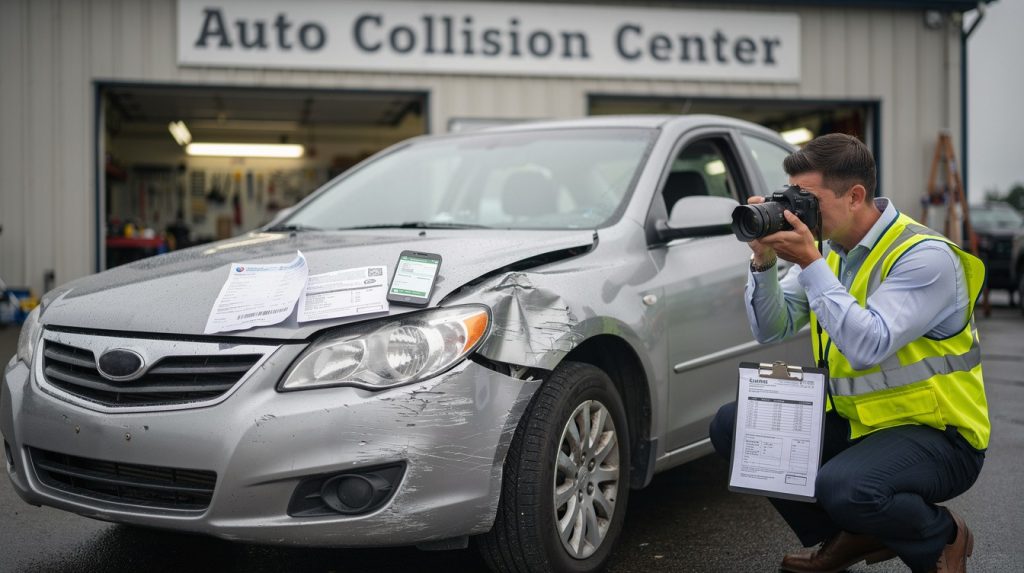
A Sacramento auto collision claim can feel overwhelming when you’re dealing with injuries, vehicle damage, and insurance paperwork all at once. The insurance process has specific steps, deadlines, and rules that directly impact how much you recover.
We at O’Brien & Zehnder Law Firm help residents navigate this process and avoid costly mistakes. This guide walks you through each stage so you know exactly what to expect.
What Happens Immediately After a Sacramento Car Accident
Document the Scene and Gather Evidence
The first hour after a collision determines how strong your claim becomes. Most people focus on calling their insurance company, but that’s actually one of the last things you should do. Start by documenting everything at the scene while details remain fresh and evidence stays accessible. Take photos of vehicle damage from multiple angles, the accident location, road conditions, traffic signs, and any visible injuries. Get the names, phone numbers, addresses, and insurance information from the other driver and any passengers. Write down the vehicle make, model, color, and license plate number. If witnesses are present, get their contact information immediately-witness statements significantly strengthen claims, yet many drivers skip this step entirely.
The National Highway Traffic Safety Administration reports that over 42,000 fatal crashes occurred in the United States in 2022, and documentation quality directly affects how insurers evaluate fault and damages.
Report the Accident to Your Insurance Company
Report the accident to your insurance company within 24 hours, though many policies require notification as soon as practicable. When you call, stick to factual information about what happened without admitting fault or speculating about causes. Provide your policy number, the date and time of the accident, and a straightforward description of events. Insurance adjusters listen for liability language, so avoid phrases like “I think I might have” or “I could have seen better.” Keep all communications brief and factual.
Seek Medical Attention for Injuries
Seek medical attention even if you feel fine-some injuries like soft tissue damage or internal injuries appear days later. Medical records create a documented link between the accident and your injuries, which insurers use to calculate claim value. Many people delay medical care and later struggle to prove their injuries were accident-related, costing them thousands in potential recovery.
Understanding how insurers evaluate your claim requires knowledge of what happens next in the process.
Understanding the Insurance Claim Process in Sacramento County
Insurance adjusters assign a monetary value to your claim within the first 30 days of filing, according to the National Association of Insurance Commissioners. They evaluate four core factors: liability determination, medical expenses documentation, property damage assessment, and lost wages or income loss. Adjusters pull your medical records, repair estimates, and accident reports to establish a baseline.
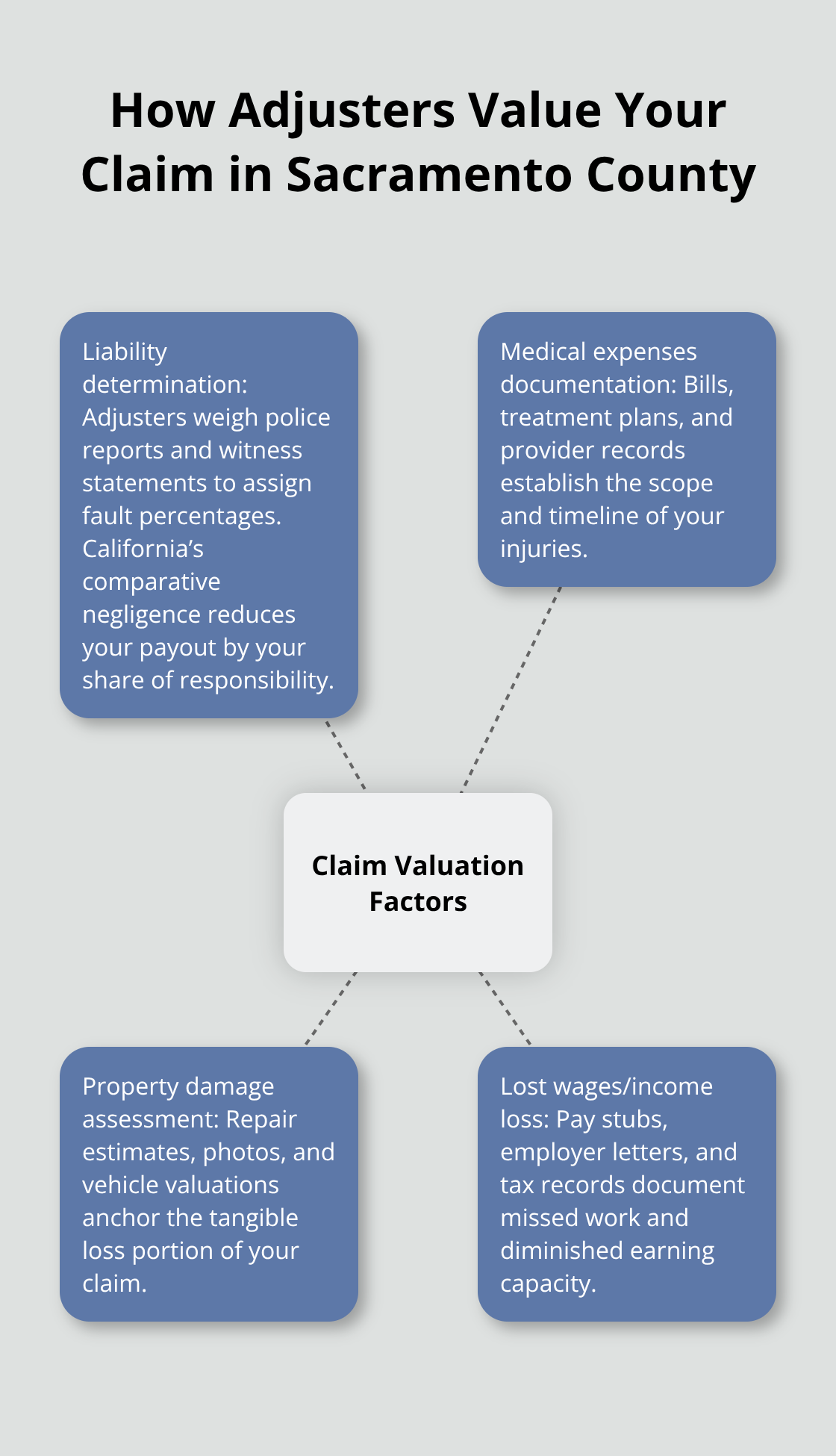
They also review police reports and witness statements to determine fault percentage. In California, comparative negligence rules mean you can recover damages even if you’re partially at fault, but your settlement reduces by your percentage of responsibility. For example, if you’re found 20 percent at fault for a $10,000 claim, you receive $8,000. Adjusters know most people don’t understand this calculation, which is why they sometimes offer low initial settlements hoping you’ll accept without pushback.
When Claims Face Delays and Denials
Claims face delays when medical treatment continues beyond the expected recovery timeline or when liability remains unclear. Adjusters wait for your medical provider to declare you at maximum medical improvement before calculating final damages, which can take months. Denied claims typically result from three situations: the insurance company disputes liability, you failed to report the accident within your policy’s timeframe, or you have a policy exclusion that applies. The Insurance Information Institute reports that approximately 5 to 10 percent of claims face denial or significant delay. If your claim is denied, you have the right to appeal and request a written explanation of the denial reason. Many people accept denials without understanding they can challenge them.
Your Rights During the Claims Process
California law requires insurers to acknowledge your claim within 15 days and either approve, deny, or request additional information within 30 days. You have the right to request a copy of the insurance company’s file, including the adjuster’s notes and damage estimates. You can also hire your own medical providers and repair shops rather than use the insurer’s preferred vendors. California’s Unfair Claims Settlement Practices Act prohibits insurers from misrepresenting policy terms, refusing to acknowledge claims without justification, or failing to explain claim denials. If an adjuster pressures you to settle quickly or refuses to provide documentation, that violates state regulations. You can communicate with the adjuster in writing and keep records of all conversations. Request written confirmation of settlement amounts before accepting any payment.
What Happens Next With Your Damages
Understanding your rights sets the foundation for the next critical phase: maximizing what you actually recover from your claim.
Maximizing Your Sacramento County Settlement
Types of Damages You Can Recover
California courts recognize two categories of damages in auto collision claims: economic and non-economic. Economic damages include medical expenses, vehicle repair or replacement costs, lost wages, and transportation costs while your vehicle is being repaired. Non-economic damages cover pain and suffering, emotional distress, and loss of enjoyment of life. The American Association for Justice reports that pain and suffering awards typically range from 1.5 to 5 times your total medical expenses, though Sacramento juries tend toward the lower end of this range.
Most people undervalue their claims by focusing only on medical bills and repair costs while ignoring non-economic damages entirely. Your claim’s total value depends on how thoroughly you document both categories. Medical records showing ongoing treatment, physical therapy sessions, and specialist visits directly increase your settlement amount. A daily journal that documents pain levels, mobility limitations, and how injuries affect your work and personal life creates concrete evidence for non-economic damages. Photographs of scarring or visible injuries also strengthen non-economic damage claims.
Documentation That Strengthens Your Claim Value
Insurance adjusters count on people accepting initial offers without understanding their claims are worth significantly more. Medical records form the foundation of your claim’s value, so maintain detailed documentation from every healthcare provider you visit.
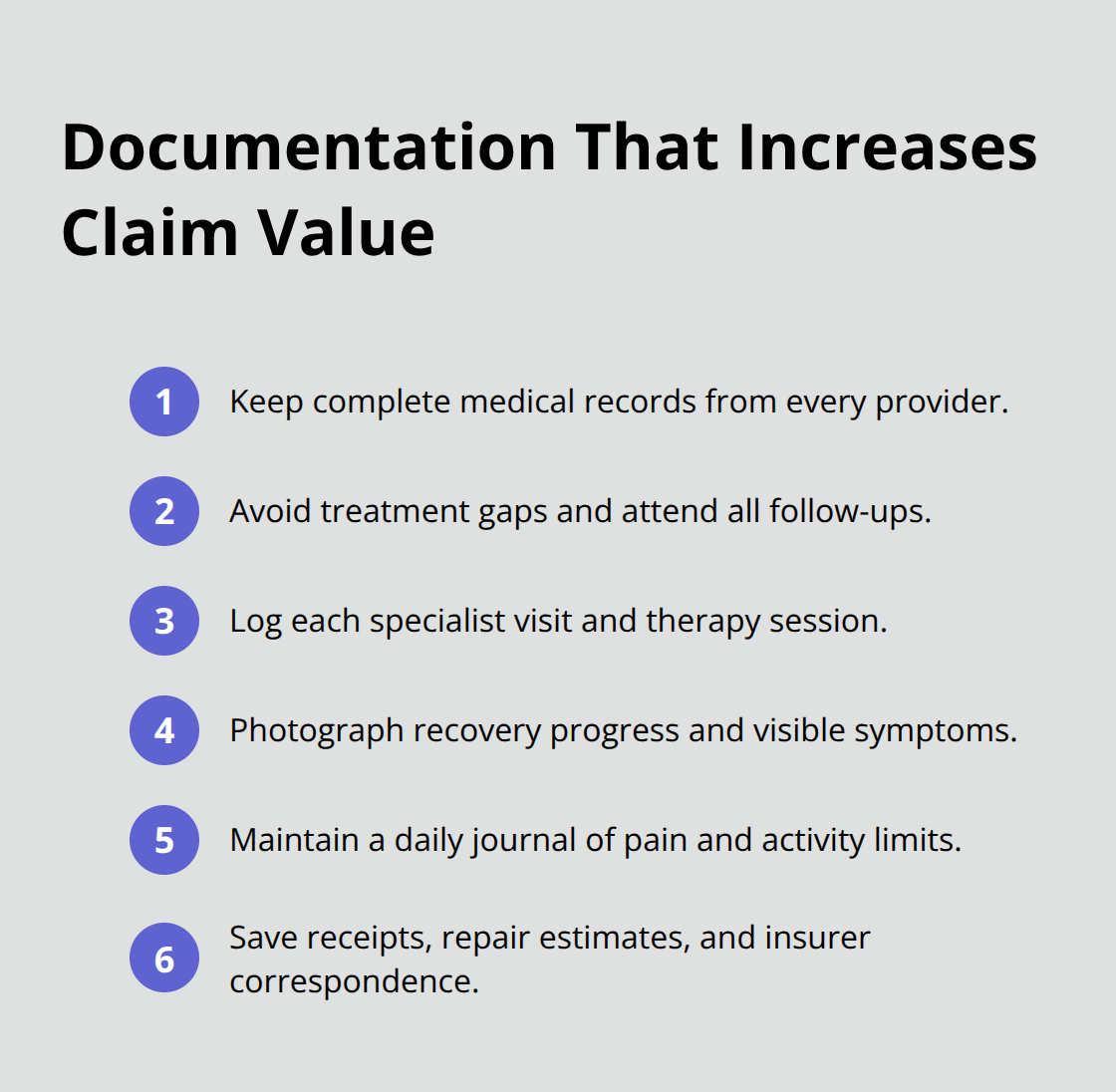
Treatment gaps signal to adjusters that your injuries weren’t serious, which triggers lower valuations. Each specialist visit, therapy session, and follow-up appointment adds measurable value to your non-economic damages calculation.
Physical evidence matters equally. Photographs taken throughout your recovery period (showing healing progress or persistent symptoms) provide visual documentation that supports your claim. Written records of how your injuries affected daily activities, work performance, and relationships create a narrative that adjusters must address when calculating pain and suffering damages.
Mistakes That Reduce Settlement Amounts
Several mistakes systematically reduce settlement amounts across Sacramento County cases. Accepting the first settlement offer costs claimants an average of 25 to 40 percent in potential recovery compared to those who negotiate, according to consumer advocacy data.
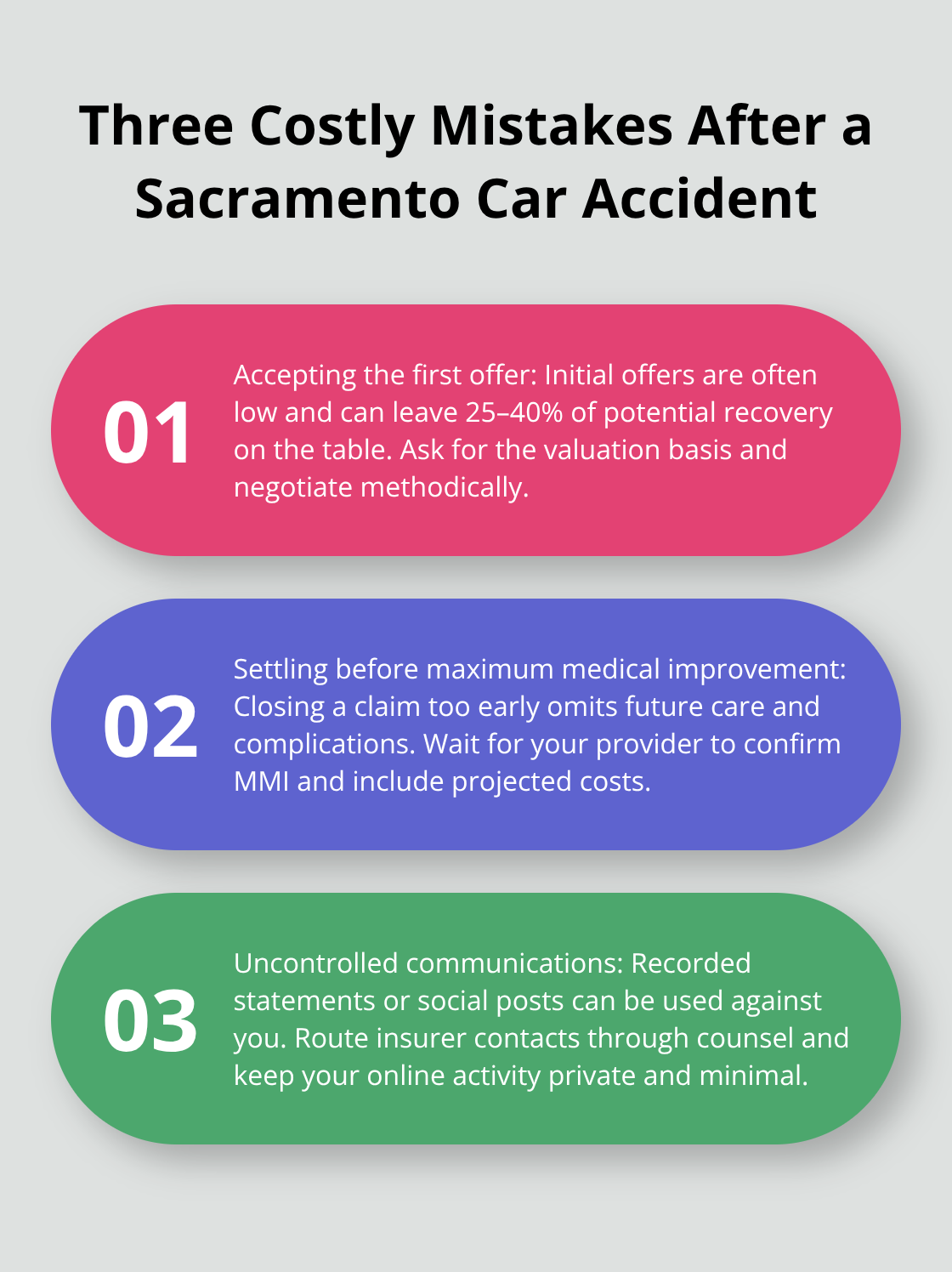
Settling too quickly before maximum medical improvement is reached prevents you from claiming future medical costs, which insurers will refuse once you sign a release.
Social media posts about your accident or injury updates give adjusters ammunition to minimize your claim by suggesting you’re less injured than you claim. Missing medical appointments or stopping treatment early signals to insurers that your injuries weren’t serious, triggering lower valuations. Talking to the other driver’s insurance company without legal guidance frequently results in recorded statements that adjusters later use against you. Accepting a settlement without understanding comparative negligence rules means you might receive less than you’re entitled to under California law (for example, if you’re found 20 percent at fault for a $10,000 claim, you receive $8,000).
When Legal Guidance Becomes Necessary
When claims involve significant injuries, lost income, or disputed liability, pursuing legal guidance before accepting any settlement offer protects your financial interests. Attorney involvement typically increases final recovery amounts substantially. O’Brien & Zehnder Law Firm helps Sacramento-area residents understand their claims and navigate the insurance process, guiding clients through each stage to avoid costly mistakes and maximize recovery.
Final Thoughts
After your Sacramento auto collision claim resolves, several practical steps protect your interests going forward. Request a final written accounting of all payments received and verify that the settlement amount matches what was agreed upon. Keep copies of all claim documentation, medical records, and correspondence for at least three years in case questions arise later. If you received a structured settlement rather than a lump sum, understand the payment schedule and tax implications.
Sacramento County residents facing complex claims or significant injuries should contact O’Brien & Zehnder Law Firm to review their situation before signing anything. Your Sacramento auto collision claim’s value depends on the decisions you make in the weeks and months following your accident, so taking these steps seriously directly impacts your recovery. Whether your claim involves disputed liability, substantial medical expenses, or an insurer’s unreasonable settlement offer, having someone evaluate your case protects your financial future.