

Filing an injury claim in California involves navigating specific rules, deadlines, and compensation categories that many people misunderstand. We at O’Brien & Zehnder Law Firm see firsthand how these mistakes cost claimants thousands of dollars.
This guide walks you through California injury claims guidelines step-by-step, from understanding how the process works to recognizing common pitfalls that derail legitimate claims.
How Sacramento County’s Injury Claim Process Actually Works
Statutes of Limitation Set Hard Deadlines
California’s injury claim process moves through distinct phases, and timing determines everything. You have two years from the date of injury to file a personal injury lawsuit in California state court, according to California Code of Civil Procedure Section 335.1. This deadline applies to most injury cases, though some situations have different windows. Medical malpractice claims follow a one-year deadline from discovery of the injury, which creates complications because people often don’t realize they’ve been harmed immediately. Property damage claims have a three-year window, giving you slightly more breathing room. The statutes of limitation exist for a reason: evidence degrades, witnesses disappear, and memories fade. Insurance companies know these deadlines intimately and use them strategically. If you wait eighteen months before reporting an injury, you’ve already burned through 75 percent of your available time.
Insurance Companies Control the Initial Claim
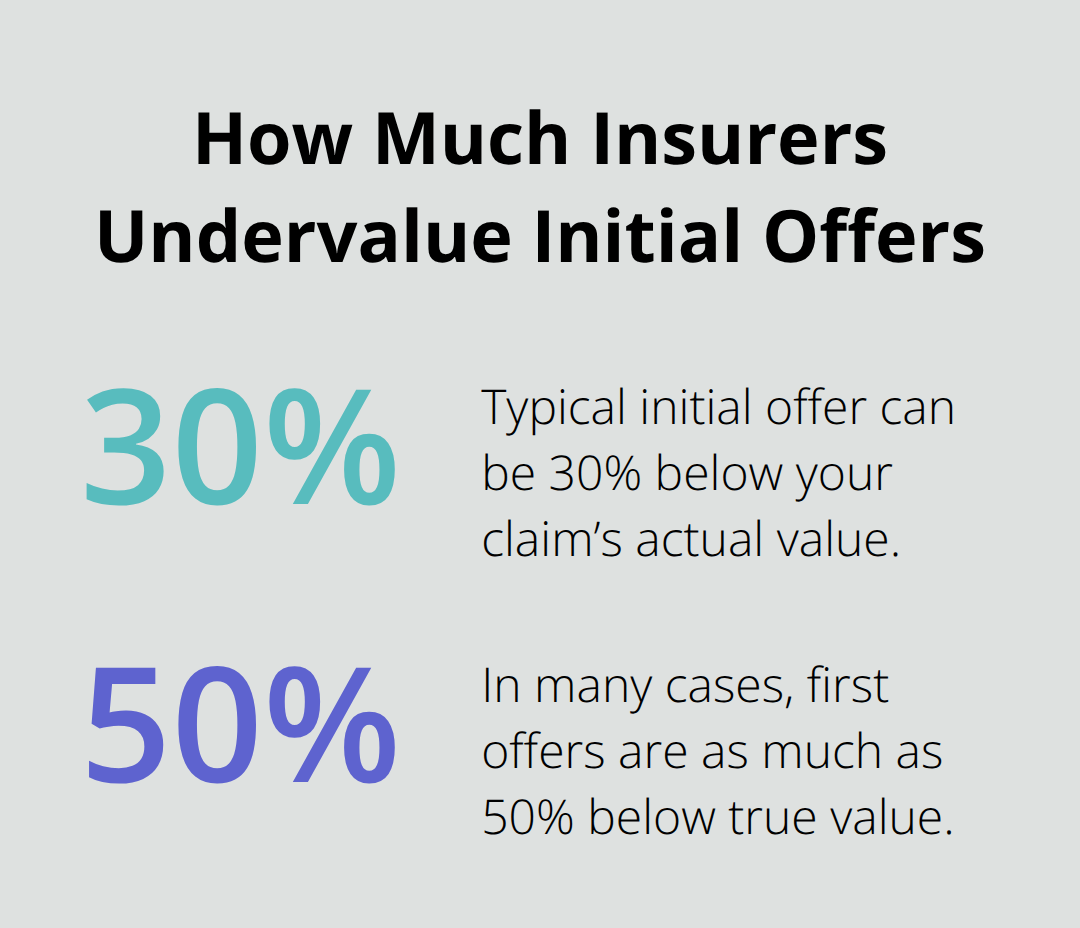
Insurance companies control the initial claim process, and this is where your claim succeeds or fails. When you file a claim with an insurance company, they assign an adjuster who investigates your case. According to the National Association of Insurance Commissioners, the average personal injury claim takes 40 to 60 days to settle if liability is clear and injuries are straightforward. However, disputed liability cases drag on for 6 to 12 months. Insurance adjusters evaluate medical records, repair estimates, police reports, and witness statements to determine fault and damages. They’re trained to minimize payouts, which means their initial settlement offer is typically 30 to 50 percent below what your claim is actually worth. You should never accept the first offer without independent evaluation of your medical costs, lost wages, and pain and suffering. The insurance company profits when you settle quickly and for less than full value.
Medical Documentation Becomes Your Foundation
Your medical documentation becomes the backbone of your claim because insurance companies only pay for injuries they can verify through medical records. Gaps in treatment or missing documentation give adjusters reasons to deny or reduce payments. If you stop seeing a doctor for three months and then resume treatment, the insurance company will argue your injury wasn’t serious. Starting treatment within 72 hours of your injury and maintaining consistent medical records strengthens your claim significantly. The insurance company’s role is to protect their bottom line, not to provide fair compensation. This reality shapes everything that happens next when you explore the types of damages California law actually recognizes.
What Money Can You Actually Recover in Sacramento County
Three Damage Categories Shape Your Claim Value
California law recognizes three distinct damage categories, and understanding the difference between them determines how much your claim is worth. Economic damages compensate you for quantifiable financial losses, while non-economic damages address pain, suffering, and life disruption. Punitive damages exist in rare situations where the defendant’s behavior was so reckless or intentional that the court wants to punish them beyond simple compensation.
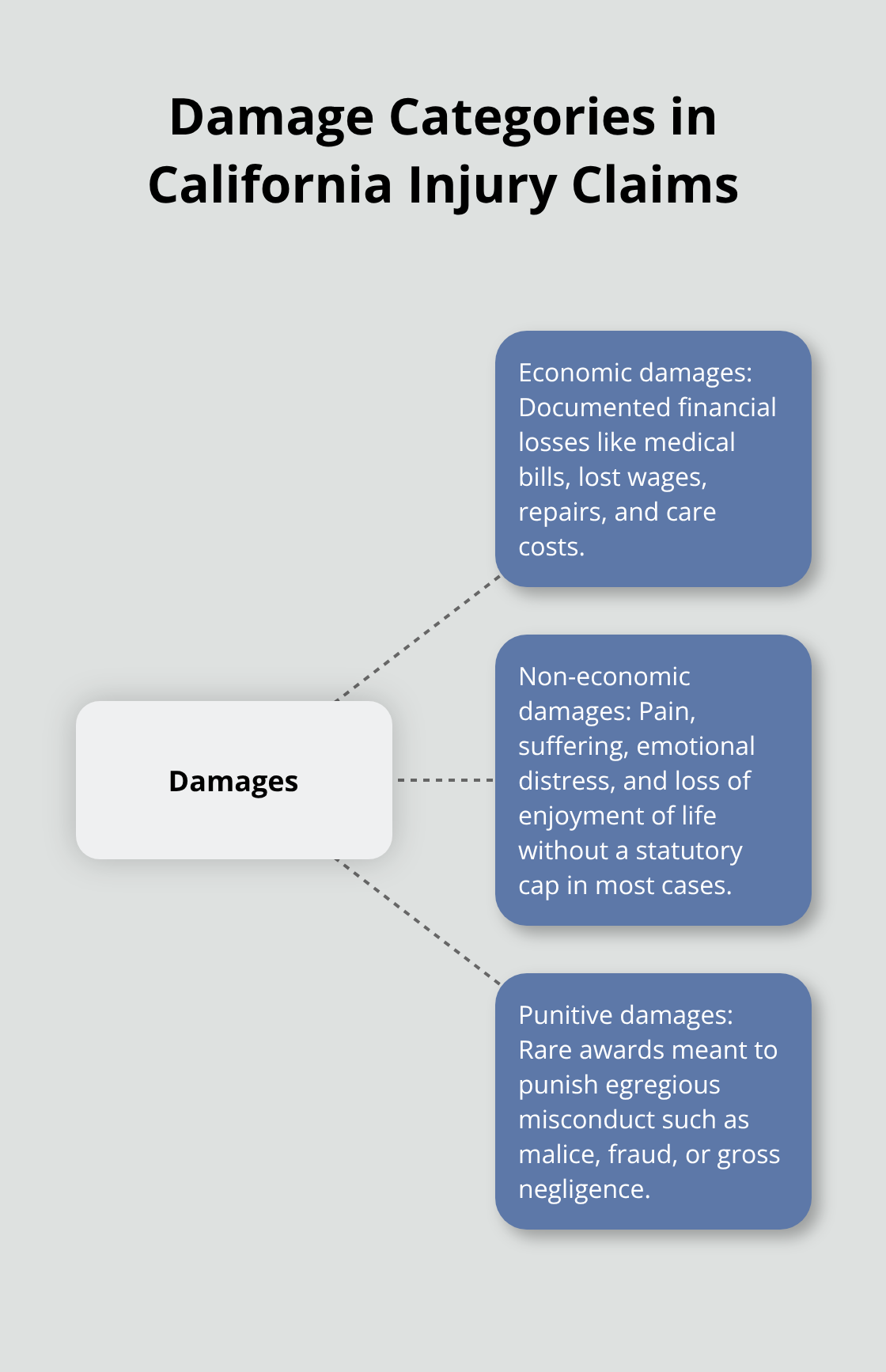
Most injury claims involve economic and non-economic damages, but knowing which category applies to your specific situation changes your negotiation strategy with the insurance company.
Economic Damages: Track Every Receipt and Invoice
Economic damages are straightforward to calculate because they’re based on actual receipts and invoices. Your medical bills-hospital stays, surgery, physical therapy, medications-are all documented and easily verified by the insurance company. Lost wages require pay stubs and tax returns showing your income before the injury. If you’re self-employed, you’ll need profit-and-loss statements or business tax returns for the past two years to prove lost income.
Vehicle repair estimates or replacement costs fall into economic damages. Transportation costs to medical appointments, home care services while you recover, and medical equipment like crutches or wheelchairs all count. The American Association for Justice reports that average economic damages in personal injury cases range from $3,000 to $50,000 depending on injury severity and recovery time. Don’t underestimate these costs-track every expense related to your injury, including parking at medical facilities and prescription copays that add up quickly.
Non-Economic Damages: Pain, Suffering, and Life Disruption
Non-economic damages compensate for pain and suffering, emotional distress, loss of enjoyment of life, and permanent scarring or disfigurement. California doesn’t cap non-economic damages in most injury cases, which means there’s no legal maximum. However, insurance companies use formulas to estimate these damages, typically multiplying your economic damages by a factor of 1.5 to 5 depending on injury severity.
A minor injury with $5,000 in medical bills might result in $7,500 to $25,000 in non-economic damages, while a severe permanent injury could generate multiples far higher. The insurance company’s initial offer frequently undervalues non-economic damages because they’re subjective and harder to defend in court. Adjusters often offer multipliers of only 1.5 times economic damages when 3 to 4 times would be more appropriate for serious injuries.
Punitive Damages: Rare but Powerful
Punitive damages are rare and only awarded when the defendant acted with gross negligence, malice, or fraud. A drunk driver who causes a collision might face punitive damages beyond their insurance coverage, or a manufacturer knowingly selling defective products could owe punitive damages. California Civil Code Section 3294 sets the standard, requiring clear and convincing evidence of oppression, fraud, or malice.
These damages don’t compensate you-they punish the defendant and deter similar behavior. Most standard insurance claims never reach punitive damages territory because the defendant’s conduct must be extreme. Understanding which damages apply to your situation helps you evaluate settlement offers accurately and recognize when the insurance company has undervalued your claim.
Three Critical Errors That Destroy Your Sacramento County Injury Claim
Timing Your Medical Treatment Determines Claim Value
Timing destroys most injury claims before they gain traction. Many people wait weeks or months before seeking medical treatment, then wonder why the insurance company questions the severity of their injuries. When you delay treatment, the insurance adjuster creates a narrative that your injuries weren’t serious enough to warrant immediate care. The National Institute for Health Care Management reports that claimants who seek treatment within 72 hours of injury receive settlements approximately 40 percent higher than those who wait.
Your medical records must establish a clear timeline connecting the injury to your treatment, and gaps in that timeline become ammunition for the insurance company to minimize your claim. Start medical documentation immediately after your injury occurs, even for injuries that seem minor. A single visit to an urgent care facility creates an official record that supports your claim later.
Consistency in Treatment Records Protects Your Settlement
Many people fail to maintain consistent treatment throughout their recovery period. If you stop seeing your doctor for three months because you feel better, then resume treatment when pain returns, the insurance company will argue your injury resolved and the later treatment is unrelated. This inconsistency costs claimants thousands in reduced settlements.
Track every medical appointment, prescription, and treatment session from day one. Gaps in your medical records signal to adjusters that your condition improved, which weakens your claim significantly. Insurance companies exploit these inconsistencies to justify lower settlement offers.
Initial Settlement Offers Undervalue Your Claim
The second mistake happens when you accept the insurance company’s initial settlement offer without independent evaluation. Insurance adjusters count on claimants accepting quickly because most people don’t understand the true value of their claims. The initial offer typically represents 30 to 50 percent of what your claim is actually worth, according to data from the American Association for Justice.
If your economic damages total $20,000 in medical bills and lost wages, the insurance company might offer $25,000 to $30,000 total, which means they’re offering minimal compensation for your pain and suffering. Before accepting any settlement, calculate your actual economic losses carefully and multiply that figure by at least three to establish a reasonable non-economic damages floor.
Social Media Posts Undermine Your Credibility
Posting about your injury on social media creates documented evidence that undermines your claim. Insurance companies assign investigators who monitor social media accounts of claimants, and photos showing you active or happy directly contradict claims of severe pain and suffering. A post showing you at a restaurant or hiking, even months into recovery, gives the insurance company grounds to argue your injuries aren’t as serious as you claimed.
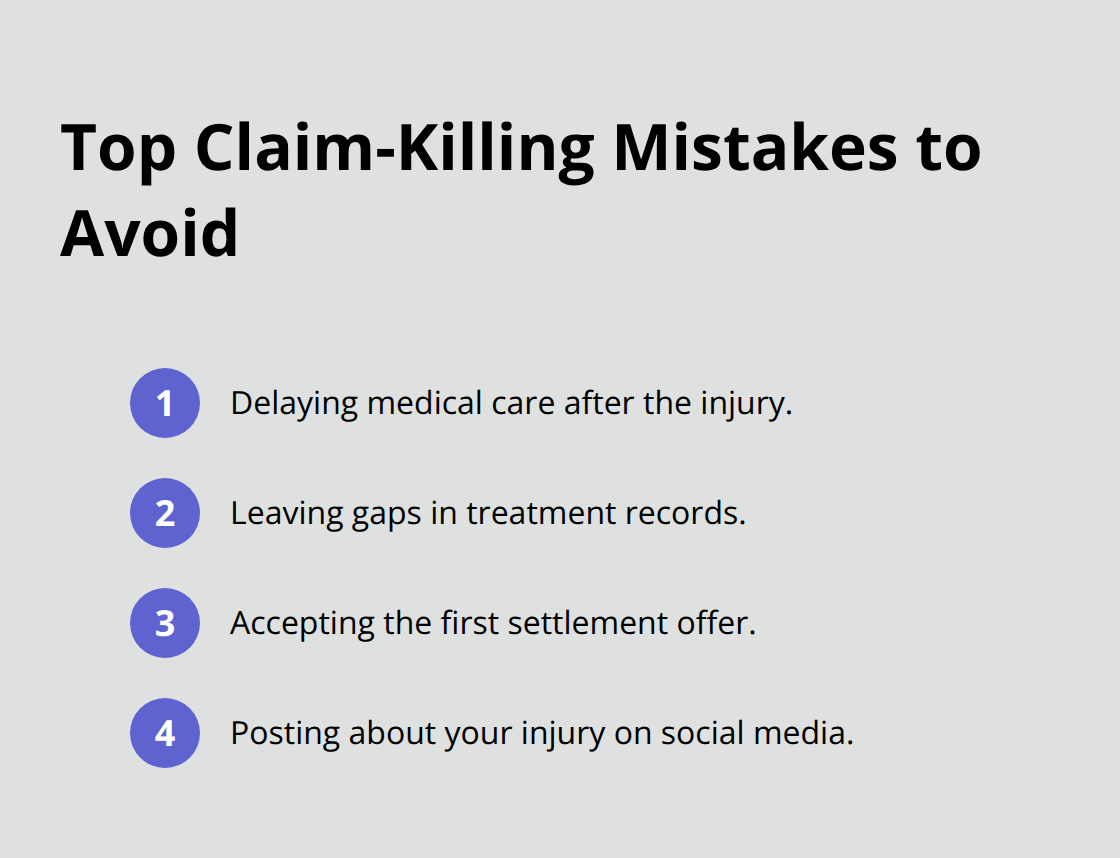
The safest approach is complete silence on social media throughout your claim process. Don’t post about your injury, your recovery progress, or your daily activities where the insurance company’s investigator can use it against you. What you share online becomes permanent evidence in your case.
Final Thoughts
California injury claims guidelines require you to act immediately and document everything from the moment your injury occurs. Insurance adjusters count on your mistakes to minimize what they pay you, and the process moves faster than most people realize. Your medical records must remain consistent, your settlement evaluation must account for both economic and non-economic damages, and your social media activity must stay completely silent throughout your claim.
We at O’Brien & Zehnder Law Firm help Sacramento-area clients navigate car, truck, motorcycle, pedestrian, premises-liability, product-liability, and dog-bite claims. We guide you through the insurance and legal claims process so you understand your rights and recognize when settlement offers fall short of your claim’s actual value. Contact O’Brien & Zehnder Law Firm for a consultation about your specific situation, and the initial conversation costs nothing.