Truck accidents in Sacramento County leave victims facing mounting medical bills, vehicle damage, and lost wages. The documentation you gather immediately after the collision becomes the foundation of your entire claim.
We at O’Brien & Zehnder Law Firm know that Sacramento truck documentation essentials separate strong cases from weak ones. This guide walks you through what to collect, how to organize it, and the mistakes that could undermine your recovery.
What Documentation You Must Collect After a Truck Accident in Sacramento County
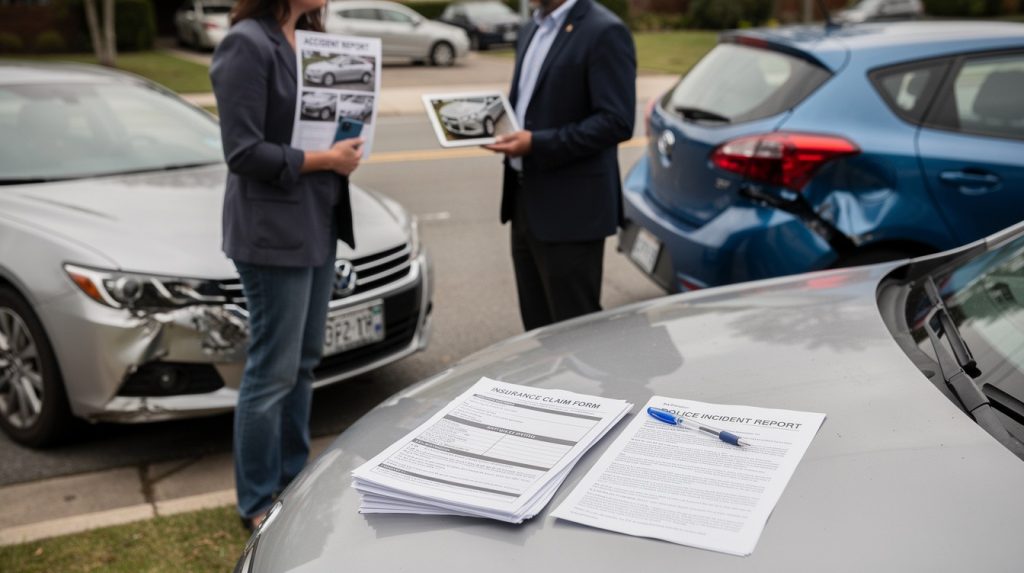
Police reports form the backbone of your case, and you need the actual report number from the responding officer. Call the local police department within 24 hours and request the incident report-not a summary, but the full document. The report contains the officer’s observations about fault, vehicle damage severity, road conditions, and witness statements. Sacramento’s flood-prone infrastructure and extreme heat patterns documented in police reports can explain why certain road conditions contributed to the accident.

Medical Records Create Your Injury Timeline
Medical records must start immediately, even if injuries seem minor. Hospital emergency department visits create timestamped documentation that connects your injuries directly to the collision. Request records from every provider you see, including emergency rooms, urgent care facilities, and specialists. This paper trail proves the severity of your condition and the treatment you received-information that directly impacts your claim value.
Vehicle and Driver Records Establish Liability
The California Department of Motor Vehicles maintains vehicle registration and driver history records that establish whether the truck driver held proper licensing for commercial operation. You can obtain these through a formal public records request, which typically takes 10 to 15 business days in Sacramento County. These records reveal prior violations, safety violations, or patterns of negligent driving that strengthen your position.
Photographs and Video Evidence Prove What Happened
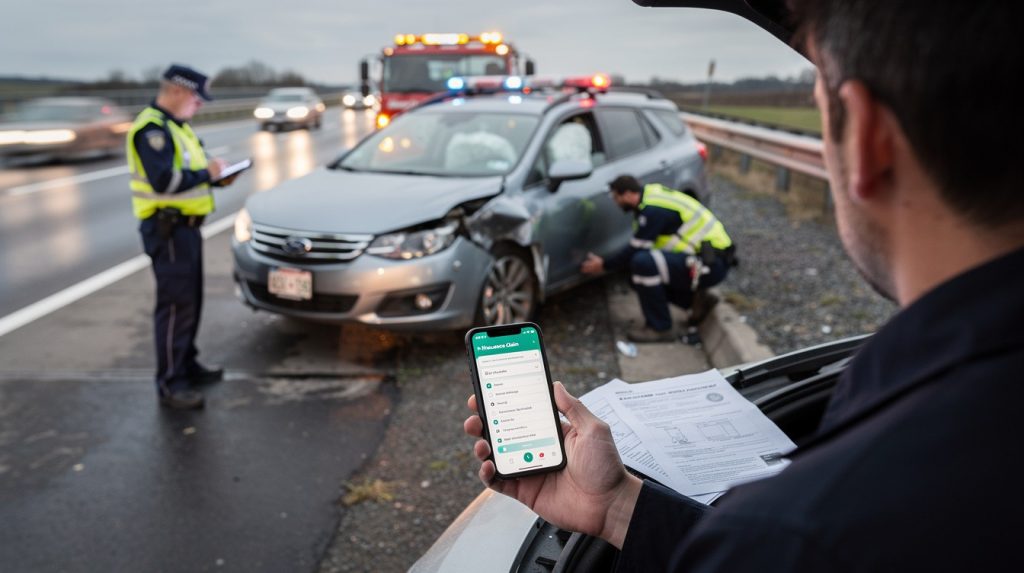
Take photographs at the accident scene before vehicles move, if safety allows. Capture the truck’s position, vehicle damage patterns, road debris, skid marks, traffic signals, and weather conditions. Video footage from nearby businesses, traffic cameras, or dashcams provides irrefutable evidence of how the collision occurred. Sacramento’s extensive sunshine-with July averaging around 14 hours per day according to NOAA normals-means many business security cameras capture clear footage during daylight hours. Request this footage within 48 hours because most businesses overwrite security recordings after 72 hours.
Witness Statements Matter More Than You Think
Witness statements written down at the scene carry more weight than memories recalled months later. Get names, phone numbers, and addresses from anyone who saw the accident. Insurance adjusters and juries trust contemporaneous documentation far more than reconstructed accounts. These firsthand observations often become the deciding factor when liability remains contested.
Once you’ve gathered this documentation, the real work begins-organizing it in a way that tells a compelling story to insurance companies and, if necessary, to a court.
How to Organize Your Documentation for Maximum Impact in Sacramento County
Create a Master Timeline That Tells Your Story
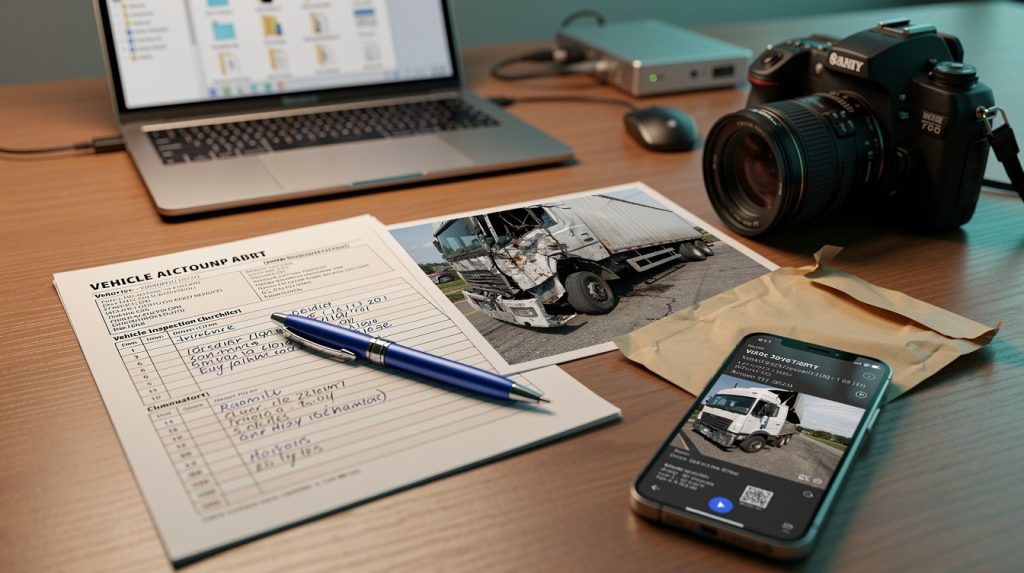
The moment you have police reports, medical records, photographs, and witness statements, most people make a critical mistake: they stuff everything into a folder and hope it works out. This approach guarantees your insurance claim will stall or get undervalued. Instead, create a master timeline document that places every piece of evidence in chronological order with clear cross-references. Start with the accident date and time, then layer in the police report findings, medical appointments, treatment dates, and any communications with the other party’s insurance company. Use a simple spreadsheet with columns for date, document type, source, and a brief description of what the document proves about liability or injury severity.

Flag Environmental and Road Condition Details
Sacramento County‘s infrastructure challenges-including flood-prone areas near the Sacramento River and extreme summer heat reaching 116 degrees Fahrenheit according to historical weather data-sometimes appear in police reports or photographs as contributing factors. Flag these details immediately because they strengthen arguments about road conditions or visibility at the time of impact. When police reports mention weather, visibility, or road surface problems, highlight those sections and cross-reference them to your photographs. This connection transforms general observations into specific evidence that supports your claim.
Protect Your Documents Physically and Digitally
Store original documents in a fireproof safe or safety deposit box and maintain digital copies on cloud storage with automatic backup. Never rely on email chains alone; download and save everything because email accounts get hacked or deleted unexpectedly. Create a backup system that stores copies in at least two separate locations. This redundancy protects your case if one storage method fails.
Present Your Claim With Precision and Speed
Insurance companies process thousands of claims monthly, and they move faster when your documentation is organized logically. When you submit your claim, include a cover letter that references specific document numbers and explains how each piece supports your injury claims or liability arguments. If the adjuster requests additional information, respond within five business days-delays signal weakness and give adjusters reasons to deny or minimize your claim. When the insurance company makes an offer, cross-reference it against your documentation to identify gaps in their valuation. If they underestimate medical expenses, medical records with itemized bills prove actual costs. If they claim you bear partial fault, photographs and witness statements directly contradict that position. Documentation transforms vague disagreements into factual disputes that insurance companies cannot ignore. The next critical step involves recognizing the common mistakes that undermine even well-intentioned documentation efforts.
What Destroys Truck Accident Claims in Sacramento County
Most people who survive truck accidents in Sacramento County fail their own cases within the first 72 hours through three avoidable mistakes. The first and most damaging mistake involves waiting to document the accident scene. Sacramento’s extreme summer heat reaching 116 degrees Fahrenheit according to historical records and unpredictable Tule fog during winter months cause road conditions to shift rapidly.

Skid marks fade under intense sun exposure, debris gets cleared by street maintenance crews, and traffic patterns change within hours. If you photograph the scene three days later, you capture a completely different environment than what caused the collision. Insurance adjusters immediately discount delayed photographs as unreliable. Police reports filed within 24 hours carry official weight, but your personal documentation matters equally. Photographs taken before vehicles move from the scene provide irrefutable evidence of impact angles and damage patterns.
Act Fast on Scene Documentation
Take photographs before leaving the scene if physically safe to do so. If you’re injured and unable to document, ask a bystander to take photos with their phone and send them to you immediately. Video from nearby business security cameras becomes inaccessible after 72 hours in most cases because Sacramento businesses overwrite footage on a three-day cycle to manage storage costs. Request this footage within 48 hours directly from business managers or through police reports that may already reference available cameras. Waiting one week guarantees that critical video evidence disappears permanently.
Record Every Communication in Writing
The second mistake involves treating communications with insurance companies, medical providers, and the other driver’s representatives as casual conversations rather than legal documentation. Every email, text message, phone call note, and claim submission creates evidence that either strengthens or weakens your position. People routinely say things like “I think I’m mostly okay” or “the accident wasn’t that bad” in initial conversations, then discover weeks later that injuries are far more serious. Insurance adjusters quote these early statements back to you to deny or minimize your claim. After every conversation with an insurance adjuster, send yourself an email summarizing what was discussed, who said what, and when the conversation occurred. Keep copies of every text message and email without deletion. If someone calls you, write down the date, time, caller’s name, and what they said within 24 hours while details remain fresh. This record prevents “he said, she said” disputes and proves what was actually communicated.
Collect Witness Statements Immediately
The third and most underestimated mistake involves dismissing witness statements as unnecessary because you have photographs or police reports. Witnesses provide human context that documents cannot capture. A witness can testify that the truck driver ran a red light, that visibility was severely limited by fog, or that the truck was traveling at excessive speed. Insurance companies weight eyewitness testimony heavily because juries do as well. Get witness contact information at the scene and follow up within 48 hours with a brief phone call asking them to write down what they observed. Most witnesses will cooperate if contacted quickly; waiting two weeks results in refusals and lost memories. A signed or recorded statement from even one credible witness transforms a borderline claim into a strong one. Witnesses often become unavailable or forget critical details when contacted after significant delays, leaving you with only circumstantial evidence to prove liability.
Final Thoughts
Truck accident documentation in Sacramento County determines whether your claim succeeds or fails. Police reports filed within 24 hours, medical records from every provider, photographs taken before vehicles move, and witness statements collected immediately form the backbone of your recovery. Each document serves a specific purpose: police reports establish the official record, medical records prove injury severity, photographs show impact angles and road conditions, and witness statements provide human testimony that insurance companies cannot dismiss.
Proper record-keeping matters because insurance adjusters process claims faster when documentation is organized chronologically and cross-referenced clearly. A master timeline that connects each piece of evidence to liability or injury severity transforms scattered documents into a compelling narrative. When you present your claim with precision, insurance companies recognize that you understand the value of your case and are prepared to pursue it aggressively.
If the insurance company’s offer falls short of your actual losses, you have grounds to dispute it based on documented medical expenses and liability evidence. We at O’Brien & Zehnder Law Firm help Sacramento-area clients navigate the insurance claims process and pursue the recovery they deserve when Sacramento truck documentation essentials are properly assembled. Contact us to discuss your truck accident claim and learn how proper documentation strengthens your position.