

Getting injured in Sacramento County means navigating a complex system to recover what you’re owed. The California injury claim steps can feel overwhelming without clear guidance on what happens next.
We at O’Brien & Zehnder Law Firm have helped countless people move through this process successfully. This roadmap breaks down each stage so you know exactly what to expect.
How Sacramento County Injury Claims Actually Work
Filing an injury claim in California requires understanding what happens behind the scenes. The process starts the moment you report the incident to the at-fault party’s insurance company, not when you hire an attorney. Most people fail to recognize that the insurance adjuster assigned to your case has financial incentives to minimize payouts. According to data from the Insurance Research Council, the average time to resolve a personal injury claim ranges from 6 to 12 months, though complex cases can stretch to 2 years or longer. The initial phase involves submitting a formal notice of claim, which triggers the insurer’s duty to investigate. You’ll need to provide basic information about the incident, your injuries, and any immediate medical treatment.
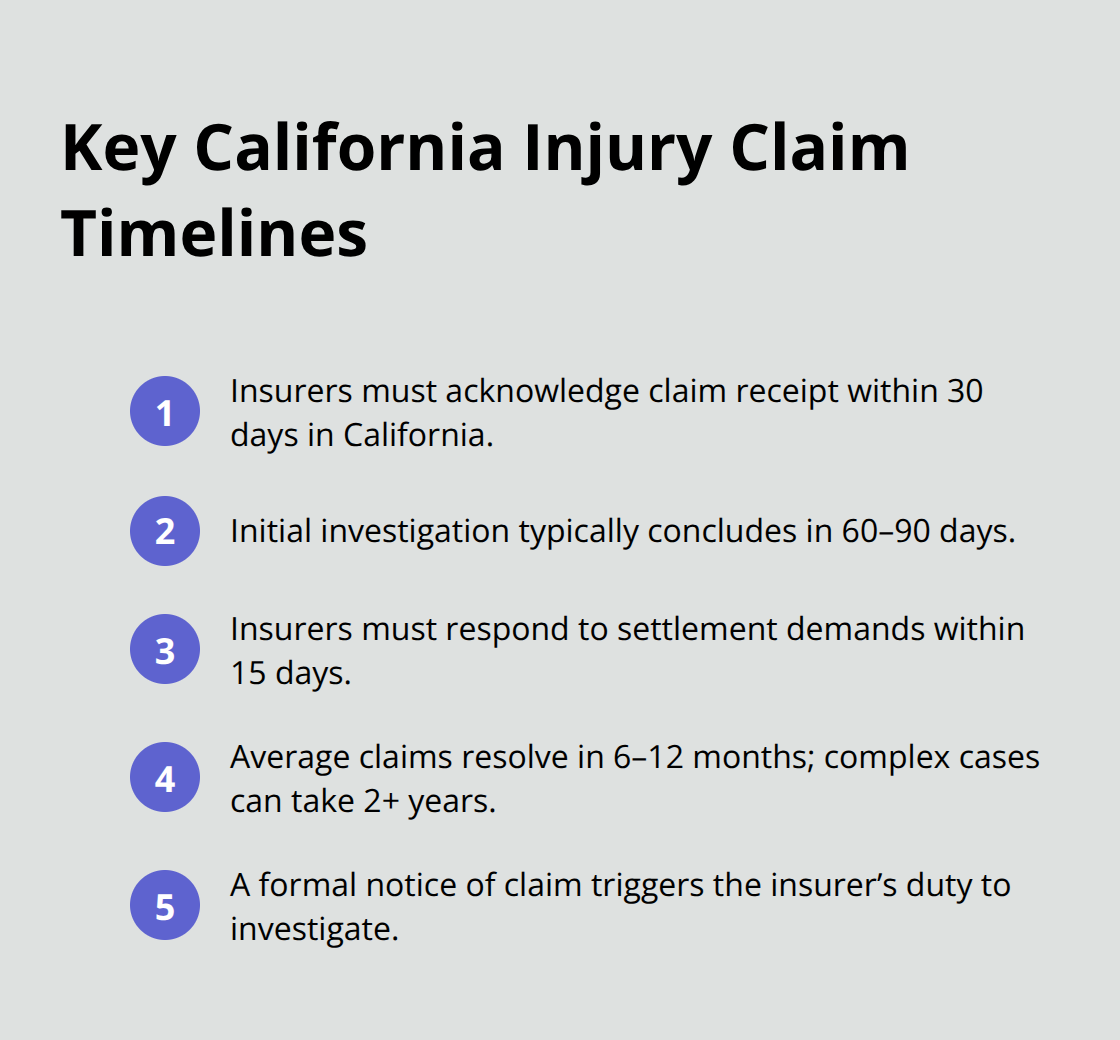
Insurance companies typically have 30 days to acknowledge receipt of your claim under California law, though they may request additional documentation before making any settlement offer.
What Happens During Investigation
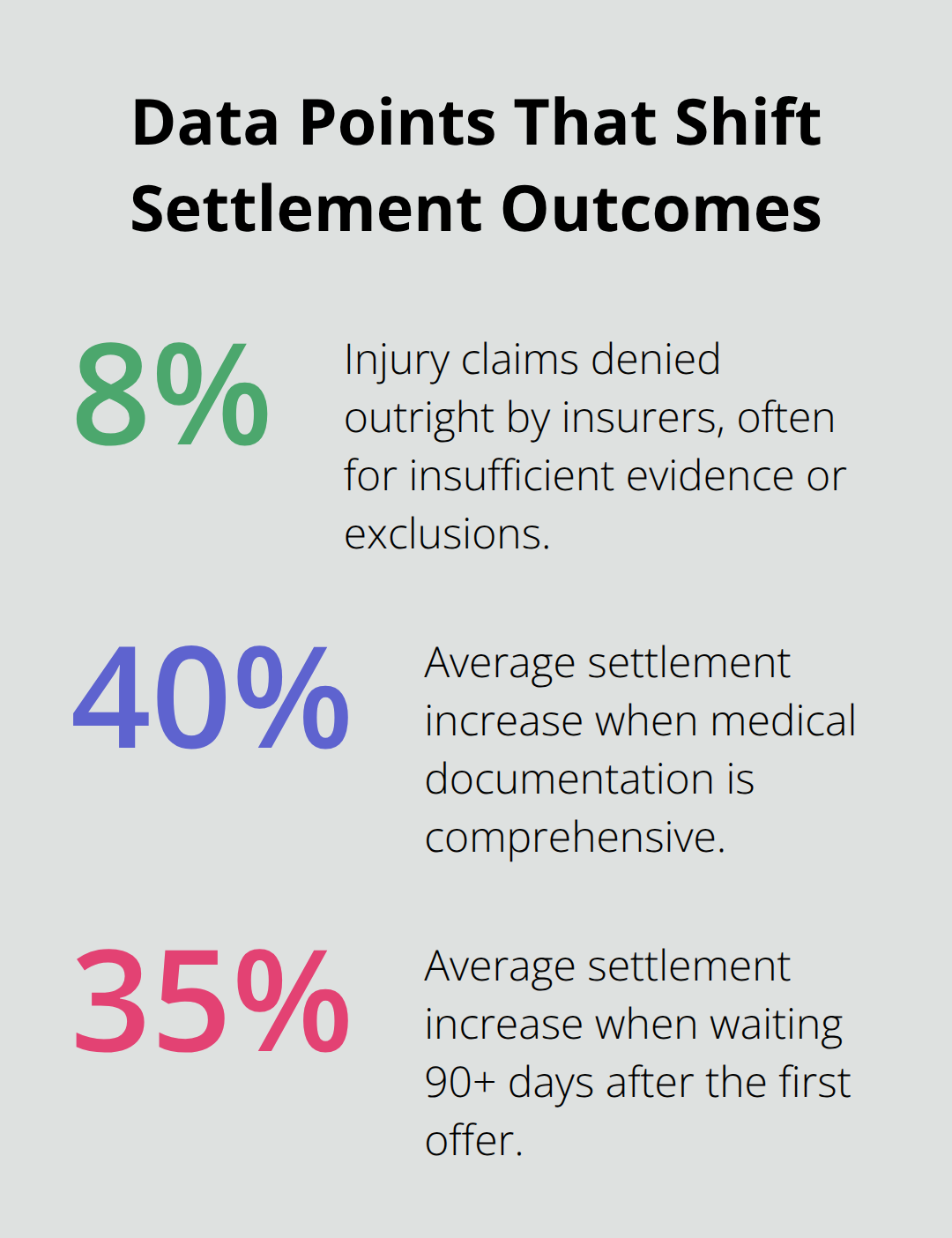
The insurance adjuster will contact witnesses, obtain police reports if available, and review medical records related to your injuries. This is where many people make critical mistakes by speaking directly with adjusters without understanding their role. Adjusters work for the insurance company, not for you, and recorded statements can be used against your claim later. The National Association of Insurance Commissioners reports that insurers deny approximately 8% of injury claims outright, often citing insufficient evidence or policy exclusions. During this phase, you should focus on documenting everything yourself: take photos of property damage, keep all medical receipts and bills, and maintain a detailed record of lost wages. If you’ve sought treatment at multiple facilities, request your complete medical records and have them organized chronologically. The adjuster will also attempt to establish a baseline settlement value early in the process, which is typically 20-30% lower than what claims ultimately resolve for when properly negotiated.
How Insurance Companies Use Timeline Pressure
Insurance companies deliberately stretch out timelines to pressure claimants into accepting lower offers. After investigation concludes (usually within 60 to 90 days), the adjuster will present an initial settlement proposal. This first offer is almost never their final position, despite how they may present it. California law requires insurers to respond to settlement demands within 15 days, but they frequently use delays as a negotiation tactic. Medical treatment should reach substantial completion before you accept any settlement, as you cannot reopen a resolved claim if your injuries worsen later. Many people settle too quickly because they face mounting medical bills and lost income, which works directly in the insurance company’s favor. The key is understanding that patience during this phase typically results in significantly better outcomes.
What Comes Next in Your Claim
Your medical condition must stabilize and you need a clear picture of total expenses before you engage seriously in settlement discussions. This foundation positions you to move forward with confidence into the negotiation phase, where your documentation and timeline strategy will directly impact the final amount you receive.
Building Your Evidence Foundation in Sacramento County
Documentation wins injury claims. The insurance adjuster assigned to your case will scrutinize every piece of evidence you provide, and gaps in your documentation directly translate to lower settlement offers. Start collecting evidence immediately after the incident occurs, before details fade and witnesses become harder to locate.
Photographs and Scene Documentation
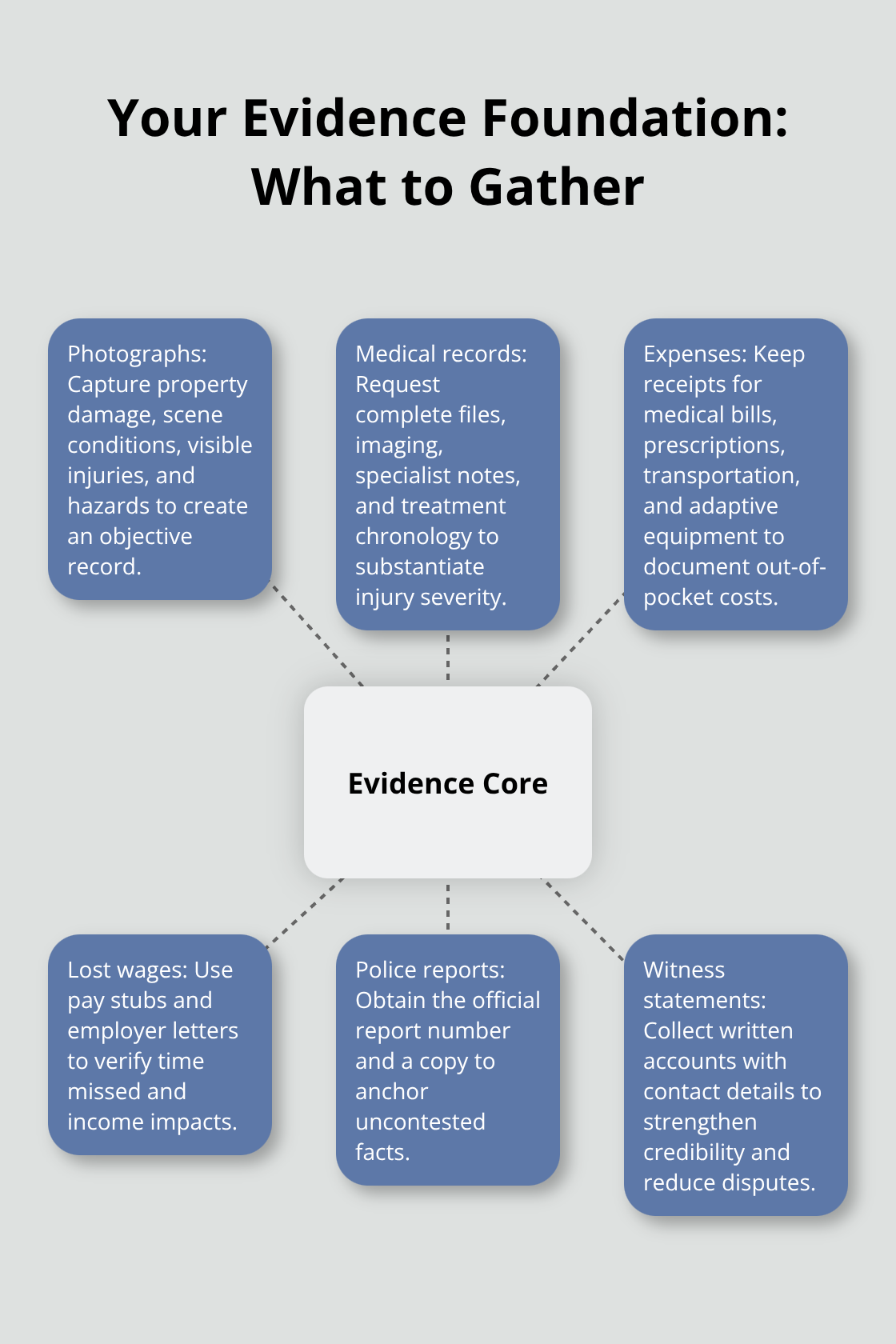
Photographs matter significantly more than descriptions alone. Take photos of property damage, scene conditions, visible injuries, and any hazardous conditions that contributed to the incident. If you were injured in a vehicle collision, photograph vehicle positioning, traffic signals, road conditions, and any debris. These images create an objective record that adjusters cannot dispute or minimize during negotiations.
Medical Records: The Backbone of Your Claim
Medical records form the backbone of your claim’s value. Request your complete medical file from every healthcare provider you’ve seen, including emergency room visits, follow-up appointments, imaging results, and specialist consultations. Insurance companies use the National Council on Compensation Insurance data showing that claims with comprehensive medical documentation settle 40% higher on average than those with sparse records.
Store all receipts for medical expenses, transportation to appointments, prescriptions, and any adaptive equipment you needed during recovery. Create a chronological summary showing treatment dates, provider names, diagnoses, and charges. Insurance adjusters review hundreds of claims monthly and will skip over disorganized files, potentially missing critical information that supports your claim value.
Document any time away from work with pay stubs or employer letters confirming lost wages. For ongoing treatment, continue documenting throughout your recovery process rather than waiting until everything concludes. The American Journal of Public Health reports that treatment consistency and duration significantly influence settlement amounts, with continuous treatment records demonstrating genuine injury severity far better than sporadic visits.
Police Reports and Witness Statements
Police reports carry substantial weight in Sacramento County claims, particularly for vehicle or pedestrian incidents. Obtain the official report number and request a copy from the appropriate law enforcement agency within 30 days of the incident, as reports become harder to access later. This official documentation establishes facts that the insurance company cannot challenge.
Witness statements strengthen your credibility significantly. Collect contact information from anyone who observed the incident, and ask them to write a brief account of what they saw while the details remain fresh. Written statements work better than verbal accounts because they create a permanent record the insurance company cannot dispute later. When gathering witness information, ask them specific questions about what they observed before, during, and after the incident. Their written accounts should include their full name, contact information, relationship to you, and a description of what they witnessed. Insurance companies weight independent witness statements heavily because they lack bias compared to statements from the injured party.
Personal Documentation and Daily Impact Records
Photograph your injuries at different stages of healing if they’re visible, as this visual progression proves impact over time. Keep detailed notes about how your injuries affected daily activities, work performance, and quality of life. These personal accounts help adjusters understand non-economic damages beyond medical bills. Your documentation now positions you to move forward into the negotiation phase, where this evidence directly impacts the settlement amount you receive.
Settlement Negotiations in Sacramento County
Insurance companies assign numerical values to claims using formulas that prioritize their bottom line over your actual losses. The adjuster multiplies your medical expenses by a factor ranging from 1.5 to 5, depending on injury severity, then adds lost wages to reach an initial settlement figure. This multiplier approach means a $10,000 medical bill might generate a $15,000 to $50,000 settlement range before negotiation even starts. However, adjusters typically start at the lower end of this range, banking on your financial desperation to accept quickly. The Journal of Insurance Medicine found that claimants who wait 90 days or longer after the adjuster’s first offer receive settlements 35% higher on average than those who accept within 30 days. Insurance companies intentionally lowball initial offers because they know most people lack patience or financial resources to hold firm.
How to Present Your Evidence Strategically
Your documentation from the previous phase becomes your negotiating leverage here. Present your organized medical records, witness statements, and lost wage documentation as a unified package rather than scattered files. Adjusters evaluate claims more favorably when evidence is comprehensive and professionally organized, signaling you won’t accept unreasonable offers without a fight. Request written explanations for any settlement offer below your documented losses plus reasonable compensation for pain and suffering. California law allows you to recover non-economic damages, yet adjusters routinely ignore this component in their calculations.
Counter Offers That Work
Counter offers should reference specific medical findings, treatment duration, and lost income with exact dollar amounts rather than general statements. If an adjuster claims they cannot exceed a certain figure due to policy limits, request written confirmation of the actual policy limits from Sacramento County directly. Never accept a settlement without reviewing it against your total documented expenses plus a reasonable multiplier for your suffering and recovery time.
Recognizing Adjuster Pressure Tactics
Adjusters deploy specific tactics to pressure settlement acceptance, and recognizing these strategies prevents costly mistakes. They frequently claim your injuries aren’t severe enough to justify your requested amount, cite policy limitations that don’t actually exist, or suggest comparable cases settled for far less. The American Bar Association reports that represented claimants receive settlements 3.5 times higher than unrepresented claimants in personal injury cases, largely because attorneys understand settlement valuation and refuse lowball offers systematically. Your patience and organized evidence position you to negotiate confidently from a position of strength rather than desperation.
Final Thoughts
You now understand the California injury claim steps from initial filing through settlement negotiation. The process requires patience, organization, and strategic thinking at each stage. Your documentation becomes your strongest asset, transforming scattered information into compelling evidence that adjusters cannot dismiss.
Many people navigate this process successfully on their own, particularly when injuries are straightforward and medical expenses are moderate. However, the data shows a stark reality: represented claimants receive settlements 3.5 times higher than unrepresented claimants. This difference reflects the value of understanding settlement formulas, recognizing adjuster tactics, and refusing lowball offers systematically.
Consider legal representation if your injuries required hospitalization, ongoing specialist care, or resulted in permanent limitations. Contact O’Brien & Zehnder Law Firm for a consultation to discuss your specific situation and determine whether representation makes financial sense for your claim.