Motorcycle accident documentation in Sacramento County directly impacts whether your insurance claim gets approved and how much compensation you receive. After a crash, most riders focus on immediate injuries and forget to gather critical evidence that disappears within hours.
We at O’Brien & Zehnder Law Firm have seen countless claims delayed or denied because riders skipped basic documentation steps. This checklist walks you through exactly what to photograph, record, and collect before leaving the accident scene and during your recovery.
What to Document at the Motorcycle Accident Scene in Sacramento County
The first hour after a motorcycle crash is when evidence matters most. Weather conditions change, road debris gets cleared, and witnesses disappear. You need a systematic approach to capture what happened before details vanish.
Photograph the Overall Scene and Vehicle Damage
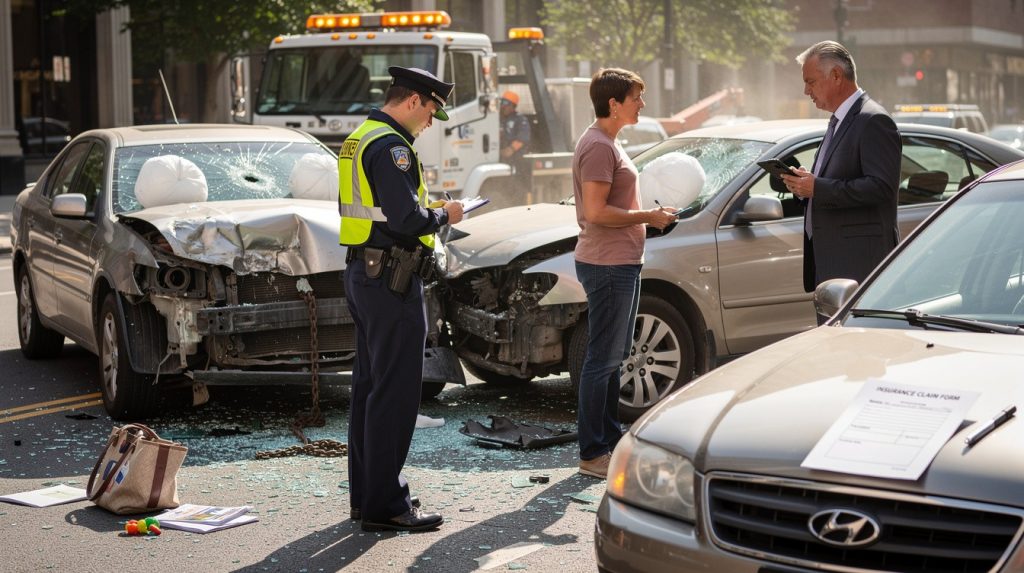
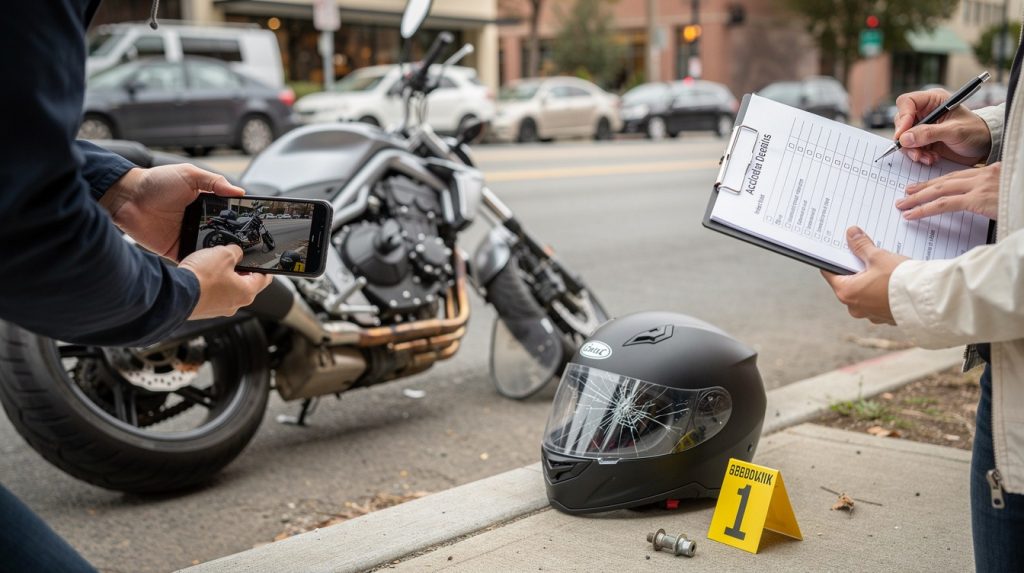
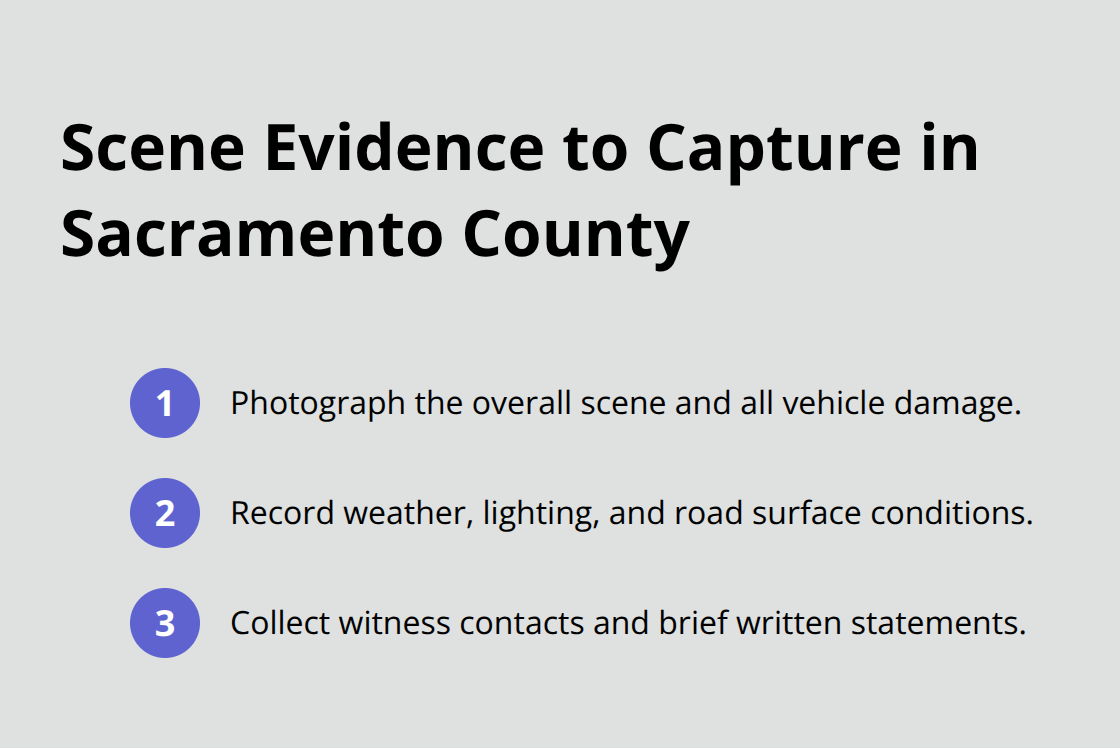
Start by photographing the overall scene from multiple angles, including wide shots that show the road layout, traffic signals, lane markings, and surrounding environment. Take close-up photos of all vehicle damage, tire marks, and debris scattered across the pavement. Include photos of your motorcycle from multiple sides, focusing on impact points and any visible mechanical damage. Photograph the other vehicle involved from every angle as well.
If you’re injured and cannot take photos yourself, ask a witness, first responder, or bystander to do it for you. These photos become the foundation of your claim because they document conditions exactly as they existed at the moment of impact.
Record Weather and Road Conditions
Weather and road conditions directly influence how insurance companies and courts evaluate fault. Note the exact time of day, lighting conditions, and whether it was raining, snowing, or clear. Document road surface conditions including potholes, loose gravel, oil stains, or debris. Take photos of traffic signals, stop signs, and any road construction.
If visibility was limited, photograph sight lines from the position where the crash occurred. Ask responding officers what they observed about conditions and request this information be included in the police report. Insurance adjusters often claim poor visibility or weather caused the accident rather than the other driver’s negligence, so your documentation becomes the counter-evidence.
Collect Information from Witnesses and Other Parties
Collect contact information from all witnesses, including their phone numbers and addresses. Get detailed statements about what they saw, including vehicle speeds, signal use, and the sequence of events. Many witnesses vanish after a crash, making their immediate contact information invaluable.
When you have solid photographic and witness documentation (along with detailed statements from those present), adjusters have less room to deny or minimize your claim. The next step involves gathering medical records that connect your injuries directly to the accident.
Medical Documentation and Records You’ll Need
Medical records form the backbone of your compensation claim because they establish a direct connection between the accident and your injuries. Insurance companies scrutinize medical documentation heavily, and gaps in your treatment timeline give adjusters ammunition to argue your injuries weren’t serious or weren’t caused by the motorcycle crash.
Gather Emergency Room and Hospital Records
Request copies of your initial ER report, diagnostic imaging results, and physician notes before you leave the hospital. Many riders wait until their insurance adjuster requests these records, but that delay costs you leverage in negotiations. The National Highway Traffic Safety Administration reports that motorcycle crash victims face injury costs averaging 2.5 times higher than car accident victims, making thorough documentation absolutely essential for fair compensation.
Your emergency room records should include the date, time, your reported symptoms, vital signs, and the physician’s assessment of your condition immediately after the crash. These records carry substantial weight because they document your injuries while they were fresh and before any question arose about their connection to the accident. Start collecting records immediately after your emergency room visit, not weeks later when memories fade and files get misplaced.
Document All Medical Treatment and Expenses
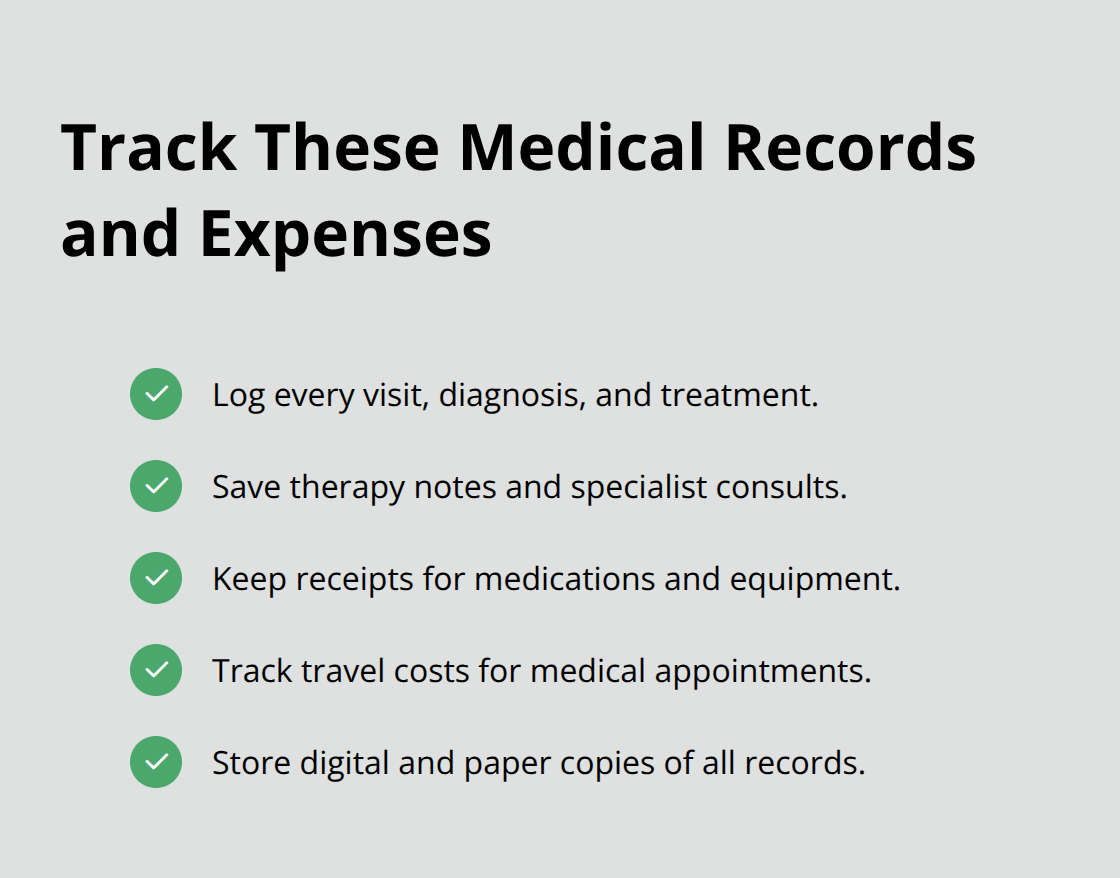
Document every medical visit, treatment, and expense from day one forward. This includes physical therapy sessions, specialist consultations, prescription medications, imaging studies, and any procedures or surgeries related to your injuries. Create a spreadsheet listing the date of service, provider name, type of treatment, and cost for each visit.
Insurance adjusters frequently claim riders exaggerated their injuries or sought unnecessary treatment, so your contemporaneous medical records directly counter that narrative. Keep receipts for out-of-pocket expenses like medical equipment, transportation to appointments, and over-the-counter pain management. Request your medical records in writing from each provider and maintain organized copies in both digital and physical formats.
Keep Records of Ongoing Physical Therapy or Rehabilitation
If your injuries require ongoing rehabilitation, document each session with dates and the specific treatments performed. Some riders stop physical therapy early to reduce costs, but this decision often results in incomplete recovery and lower settlement amounts because adjusters use treatment cessation as evidence that injuries weren’t severe. Continuing your prescribed treatment plan protects both your health and your claim value.
Your organized medical documentation becomes the foundation for the next critical step: notifying your insurance company and managing all communications with adjusters.
Insurance and Legal Documentation Requirements in Sacramento County
File a Police Report in Sacramento County
A police report creates an official record that insurance companies cannot ignore after a motorcycle crash. Call the non-emergency line for minor injuries, or request officers respond to the scene if anyone sustained serious injuries. The police report number becomes your reference point for all future communications with insurance adjusters. Sacramento County Sheriff’s Office and local police departments document officer observations about road conditions, traffic violations, and preliminary fault assessment.
Request a copy of the report within days, not weeks-some departments charge modest fees for copies, typically under fifteen dollars. Your police report should include officer contact information, case number, and details about citations issued. If the officer’s initial assessment contradicts your account of events, you can request a supplemental report or file a correction, though this requires immediate action while the report remains recent.
Notify Your Insurance Company Promptly
Notifying your insurance company within 24 to 48 hours of the crash is non-negotiable, regardless of fault determination. Insurance policies typically require prompt notification, and delays give adjusters grounds to deny your claim entirely. When you call, provide only essential facts: date, time, location, vehicles involved, and that you sustained injuries.
Do not speculate about fault, admit responsibility, or discuss settlement value during this initial call. Insurance adjusters are trained to extract statements that minimize your claim. Send written follow-up emails summarizing what you discussed during phone calls, including the adjuster’s name, date, time, and specific statements made. Many adjusters misrepresent what riders told them, so written documentation creates an undeniable record.
Document All Communications with Insurance Adjusters
Request all communications occur via email rather than phone calls whenever possible. This approach protects you by creating a permanent written trail that adjusters cannot dispute later. If an adjuster pressures you for quick settlement offers before you’ve completed medical treatment, reject those offers immediately-settling prematurely locks you into compensation amounts far below your actual damages.
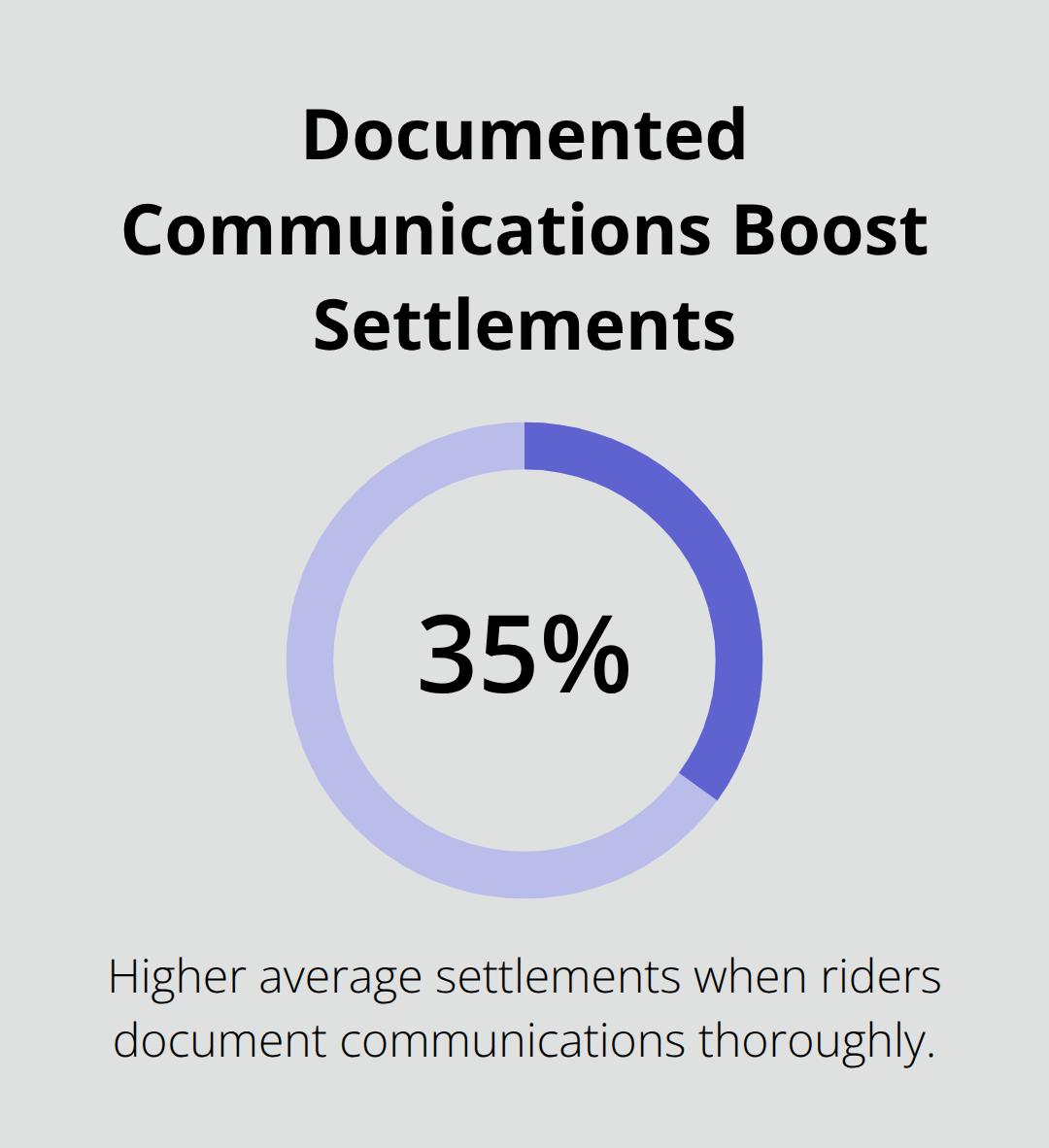
The Insurance Information Institute reports that riders who document communications thoroughly receive settlements averaging 35 percent higher than those who rely on verbal agreements alone. Your organized documentation of police reports, insurance notifications, and adjuster communications forms the complete record that protects your claim value throughout the entire process.
Conclusion
Complete motorcycle accident documentation in Sacramento protects your claim by creating an undeniable record that insurance adjusters cannot dispute or minimize. When you photograph the scene, collect witness statements, gather medical records, and document all communications, you eliminate the gaps that adjusters exploit to deny or reduce settlements. Riders who skip documentation steps consistently receive lower payouts because adjusters claim injuries weren’t serious, treatment was unnecessary, or fault remains unclear.
After you’ve gathered all documentation, organize everything chronologically in both digital and physical formats. Create a master file containing your police report, photos, witness statements, medical records, insurance correspondence, and expense receipts. Review this file for gaps or missing information before contacting your insurance company or considering settlement offers, since providers often archive files or relocate when you request records weeks into the claims process.
The claims process becomes significantly more manageable when you have professional guidance reviewing your documentation and communicating with insurance adjusters on your behalf. Contact O’Brien & Zehnder Law Firm to discuss your motorcycle accident documentation and learn how we can protect your claim value.