

An injury changes everything overnight. Medical treatment after injury involves navigating emergency rooms, diagnostic tests, and recovery timelines that feel overwhelming.
We at O’Brien & Zehnder Law Firm help Sacramento County residents understand what comes next. This guide walks you through each stage of recovery and shows you how to protect your claim while healing.
Medical Treatment After Injury: What to Expect During Recovery in Sacramento County
What Happens in the First Hours After an Injury
The emergency room is chaotic, loud, and disorienting. Staff move quickly, asking rapid-fire questions while you’re in pain and possibly in shock. This is actually the moment that matters most for your recovery and your claim. Hospitals follow standardized protocols, and understanding them helps you stay calm and protect yourself legally.
When you arrive, triage nurses assess your condition within minutes, assigning you a priority level based on injury severity. This determines how quickly you see a doctor. While waiting, staff will ask about your medical history, current medications, and how the injury happened. Answer these questions completely and accurately because everything you say gets documented in your medical record. That record becomes the foundation of your claim later.
If you were injured in a car accident, truck collision, motorcycle crash, pedestrian incident, or on someone else’s property, tell the hospital staff exactly what happened. Don’t minimize your pain or downplay injuries to seem tough. Emergency room physicians are trained to identify injuries you might not even realize you have yet. They’ll order diagnostic tests based on what they observe during physical examination.
Getting Diagnostic Testing Right
Diagnostic imaging happens quickly in the ER. X-rays reveal broken bones, CT scans show internal injuries, and MRI machines detect soft tissue damage. The American College of Radiology reports that imaging within the first 24 hours after injury significantly improves treatment outcomes because it catches complications early.
Don’t skip tests even if you feel like you don’t need them. A doctor recommending imaging has a clinical reason. Request copies of all imaging results and reports before you leave the hospital. Ask for written summaries of what doctors observed. These documents become critical evidence if you pursue a claim involving car accidents, truck collisions, motorcycle injuries, premises liability, product liability, or dog bites.
Hospitals typically charge for records, but the cost is minimal compared to the value they provide later. Keep originals in a safe place and take photos of written reports with your phone as backup. The documentation you gather now prevents disputes about injury severity months later when insurance companies question your claim.
Building Your Paper Trail for Legal Protection
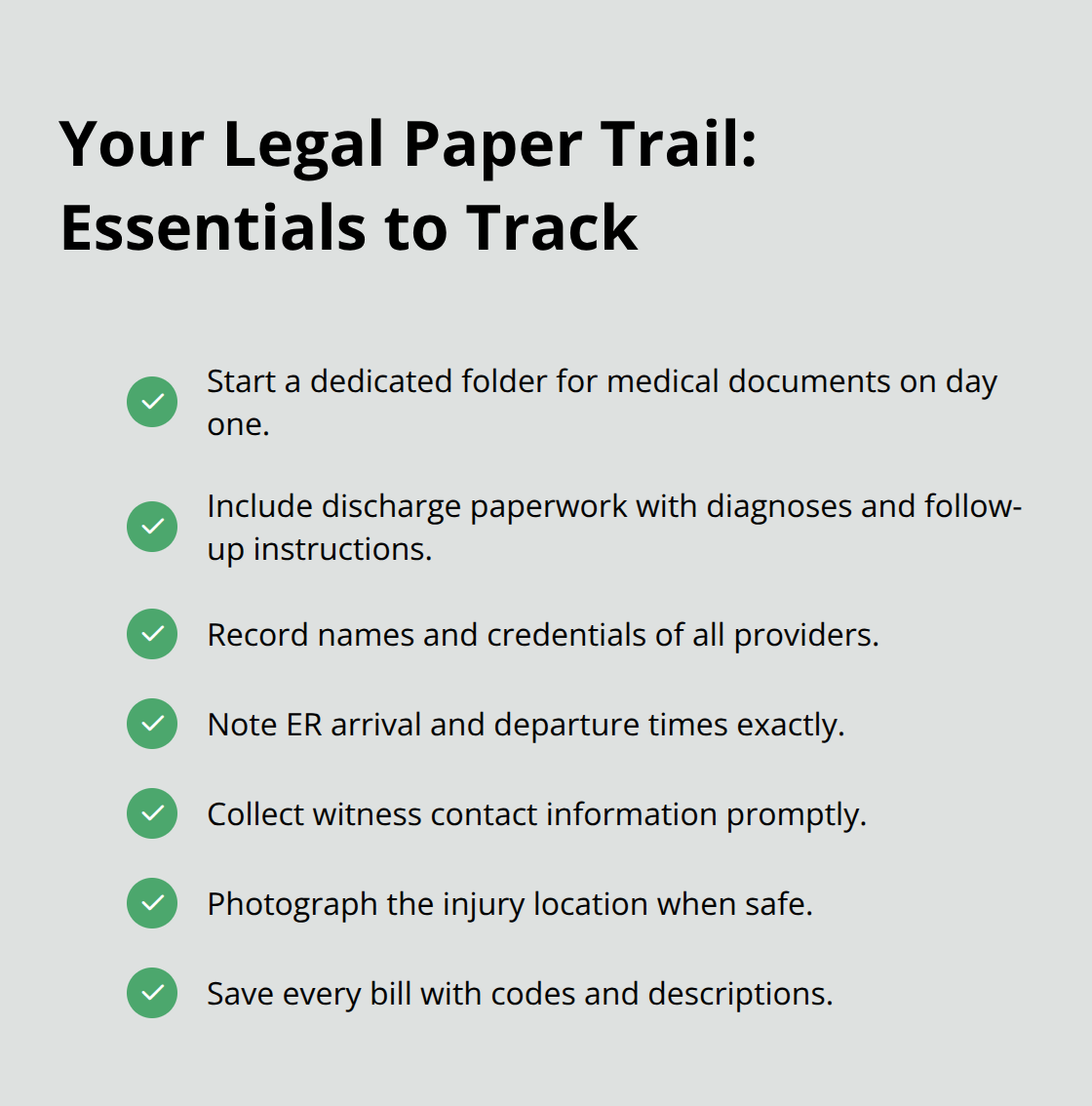
Medical records create the official timeline of your injury. Every note, test result, and treatment recommendation becomes part of your claim narrative. Start a dedicated folder for medical documents on day one. Include the hospital’s discharge paperwork, which summarizes your visit, diagnoses, and follow-up instructions.
Write down the names and credentials of everyone who treated you. Note the exact time you arrived at the emergency room and when you left. If witnesses were present during your injury, get their contact information while details are fresh. Take photos of the location where you were injured if it’s safe to do so (this is especially important for premises liability or product liability cases).
These practical steps seem minor but they eliminate memory gaps that insurance companies exploit later. Medical bills from the ER visit arrive separately from hospital bills, sometimes weeks apart. Don’t ignore any of them. Each bill contains codes and descriptions that document your injuries officially.
Keep everything organized because you’ll reference these documents repeatedly during recovery and while handling your claim.
The strength of your medical evidence directly impacts how seriously insurance companies take your case. Once you leave the emergency room, your treatment continues with specialists and follow-up care. The next phase of recovery involves physical therapy, possible surgery, and ongoing medication management-each with its own documentation requirements and timeline.
Types of Treatment and Recovery Timelines in Sacramento County
Physical Therapy: Starting Early Matters
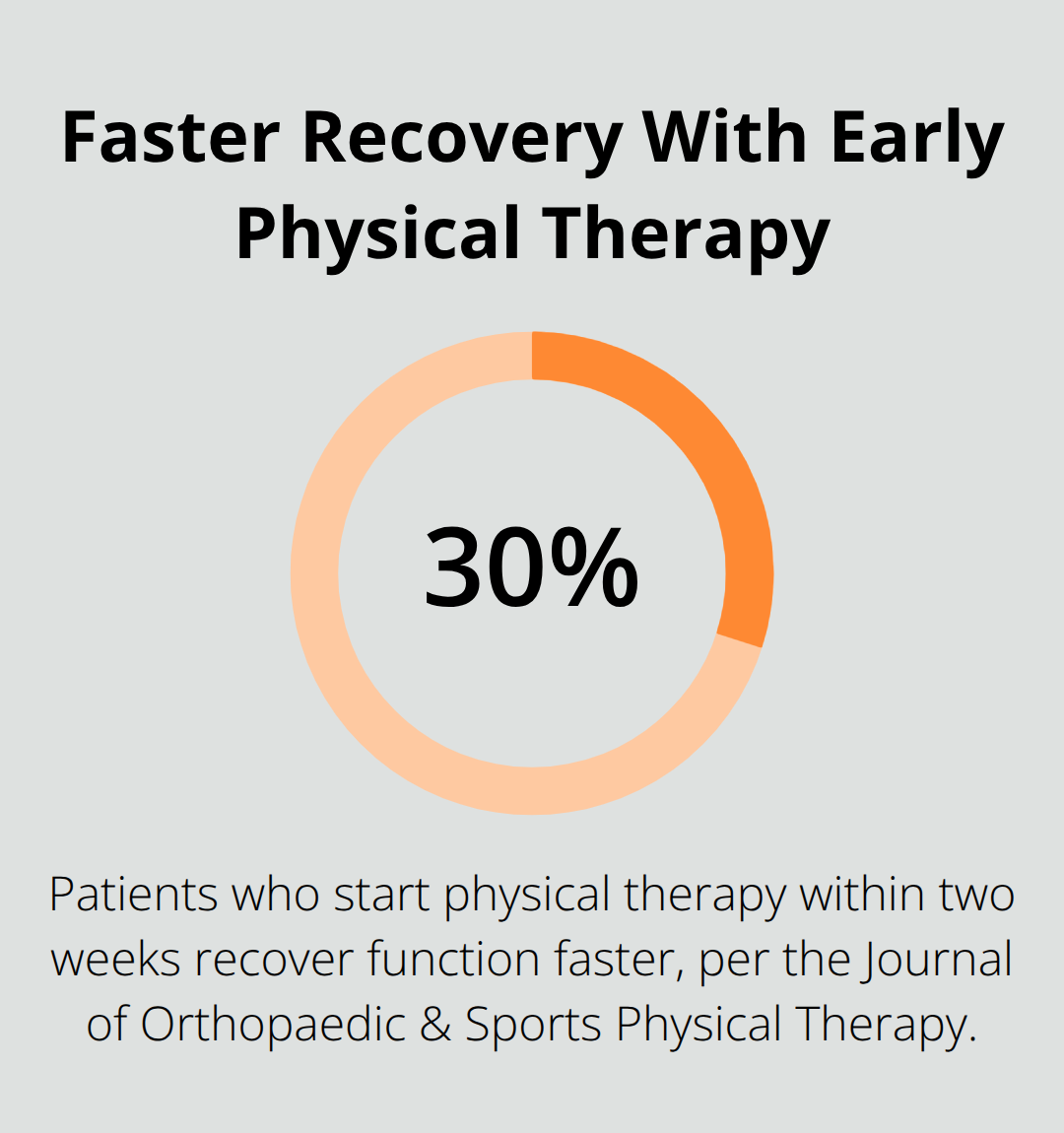
Physical therapy starts within days of your injury, not weeks. The sooner you start, the better your long-term outcomes. According to the Journal of Orthopaedic & Sports Physical Therapy, patients who start therapy within two weeks of injury recover function 30% faster than those who delay. Your physical therapist will assess your range of motion, strength, and pain levels during the first session.
You’ll attend sessions two to three times weekly for 4 to 12 weeks depending on injury severity. Each session typically lasts 45 to 60 minutes and costs between $75 and $150 per visit before insurance. Your insurance company may require pre-authorization before your first appointment, so contact them immediately after your hospital discharge.
Documenting Your Therapy Progress
Keep detailed records of every therapy session, including the date, duration, specific exercises performed, and any progress notes from your therapist. These records prove you’re actively recovering and strengthen your claim when insurance companies later dispute the severity of your injury. If your therapist recommends home exercises between sessions, complete them consistently. Insurance adjusters review therapy attendance records closely, and gaps in treatment give them ammunition to argue your injuries weren’t serious.
Surgical Procedures and Post-Operative Recovery
Surgical procedures require careful documentation from the moment surgery is scheduled. Your surgeon will explain the procedure, recovery timeline, and restrictions you’ll face post-operatively. Major surgeries like knee reconstructions or spinal fusions typically involve 6 to 12 weeks of restricted activity, with full recovery taking 6 to 12 months.
Request written post-operative instructions before surgery and follow them exactly. Photograph your surgical site during healing if appropriate, as visual documentation helps later. Don’t skip prescribed medications because you feel better-stopping pain medication too early often leads to overactivity that delays healing and creates setbacks.
Managing Medications and Side Effects
Medication management means tracking side effects and reporting them to your physician. Some pain medications cause drowsiness or dependency concerns, so discuss alternatives if side effects interfere with your life. Keep a log of which medications you take, when you take them, dosages, and any side effects. This becomes important if your case involves questions about whether your pain was genuine or medication-driven.
Insurance companies scrutinize medication patterns closely, so consistency matters more than most people realize. The documentation you maintain during treatment-therapy notes, surgical records, and medication logs-directly influences how insurance companies evaluate your claim. Understanding how to manage medical bills and insurance coverage protects both your recovery and your financial interests.
Managing Costs and Insurance Claims in Sacramento County
Medical Bills Arrive from Multiple Sources
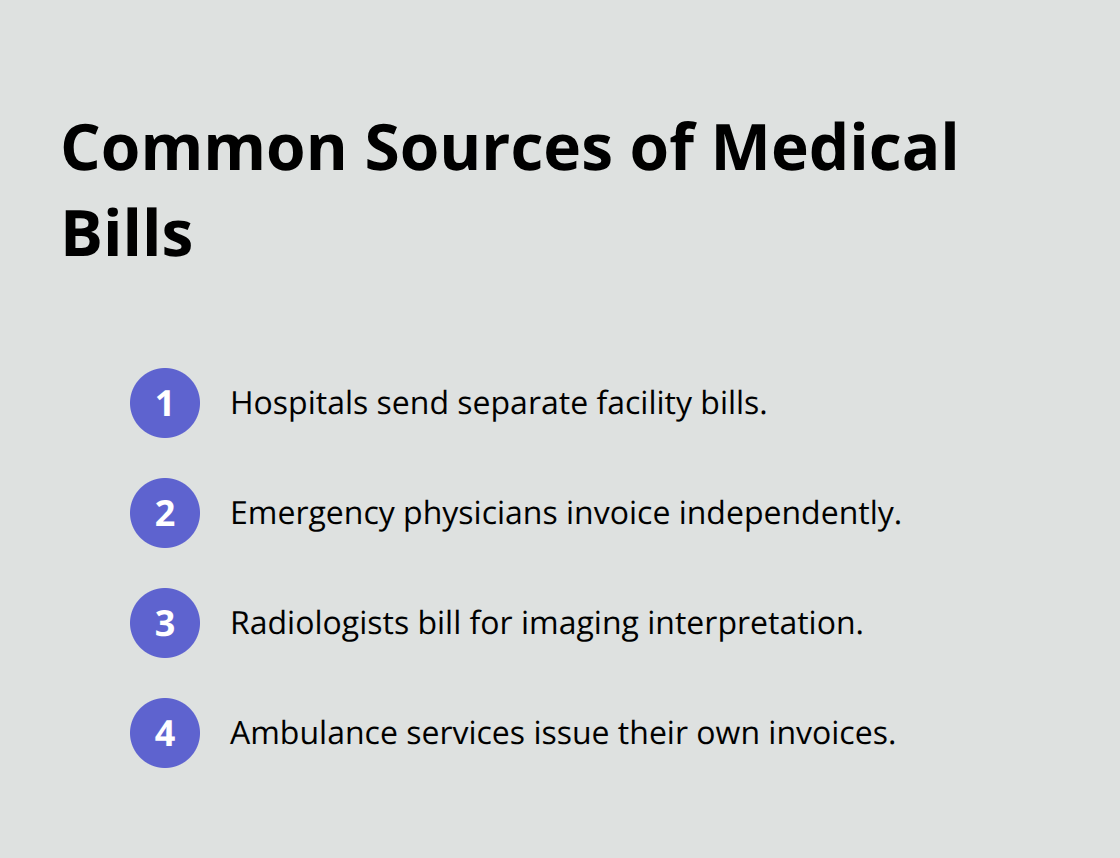
Medical bills arrive faster than you’d expect, and they’re confusing by design. Hospitals bill separately from emergency physicians, radiologists bill independently, and ambulance services send their own invoices. The average injury victim receives bills from four to six different providers, according to data from the American Journal of Public Health. You might receive the same bill multiple times if it gets sent to your insurance company, then to you, then back to collections.
Start a spreadsheet tracking every bill’s date received, provider name, amount, and whether your insurance company has paid it. This single document prevents overpayment and catches billing errors that happen constantly. Hospitals overcharge at rates between 40% to 50% above actual costs, per research from the Health Care Cost Institute, so verifying every charge matters significantly.
Request Itemized Bills and Verify Charges
Request an itemized breakdown of every charge on your medical bills because hospitals frequently bill for services never rendered or charge multiple times for single procedures. The American Medical Association reports that 25% of medical bills contain errors, so detailed review protects your finances directly. Contact your hospital’s billing department and ask for a complete itemization within 30 days of receiving your bill.
Compare the itemized bill against your discharge summary and any receipts you received during treatment. Look for duplicate charges, services you didn’t receive, or inflated pricing on standard procedures. If you spot errors, contact the billing department in writing and request correction. Most hospitals correct legitimate errors without argument when you provide documentation.
Work with Your Insurance Provider Immediately
Contact your insurance company within 48 hours of your hospital discharge to report your injury and start the claims process. Provide them with your discharge summary immediately, not weeks later. Ask your insurance company directly which treatments require pre-authorization before you receive them, because proceeding without approval gives them grounds to deny payment later.
If your insurance company denies coverage for specific treatments, request their denial in writing and ask them to cite the specific policy language supporting their decision. This documentation becomes essential if you need to challenge their determination. Insurance companies use medical bills strategically to minimize what they pay on your claim. They’ll request itemized bills, demand explanations for specific treatments, and question whether certain procedures were necessary.
Address Medical Liens Before Settlement
Medical liens complicate recovery by allowing healthcare providers to claim a portion of your settlement before you receive it. If you received emergency care and couldn’t pay immediately, the hospital may place a lien against your case. This means they get paid from your settlement proceeds first, reducing what you actually take home. Sacramento County courts enforce medical liens strictly, so address them early.
Contact the hospital’s billing department and ask whether a lien has been placed on your case. Request written confirmation of the lien amount and the services it covers. Some liens can be negotiated down, particularly if you can demonstrate billing errors or overcharges. The sooner you identify liens, the more time you have to resolve them before your case settles.
Navigate Insurance Disputes with Documentation
Insurance companies count on injured people feeling too overwhelmed to fight back. Understanding your bills, tracking your coverage, and maintaining organized records transforms medical costs from a source of stress into manageable documentation that supports your recovery and strengthens your claim. If you face complex disputes with your insurance company or need help negotiating medical liens, O’Brien & Zehnder Law Firm helps Sacramento County residents navigate these situations as part of our personal injury practice.
Final Thoughts
Your recovery from injury requires you to coordinate medical care, manage bills, and protect your legal rights at the same time. Medical treatment after injury demands attention to details that feel overwhelming when you’re healing, but the documentation you gather during emergency room visits, therapy sessions, and follow-up appointments directly determines how seriously insurance companies treat your claim. Starting physical therapy early, requesting itemized bills, tracking medical records, and addressing liens before settlement prevents costly mistakes that delay your recovery and weaken your position.
The financial and legal complexity of injury recovery shouldn’t fall entirely on you while you’re healing. Insurance companies exploit gaps in documentation and inconsistencies in treatment, so maintaining organized records from day one strengthens your position significantly. Hospitals, therapists, and physicians create records that support your case, but you must actively collect and organize them to protect your interests.
If you face medical bills, insurance disputes, or questions about your claim, contact O’Brien & Zehnder Law Firm for a consultation. We help Sacramento County residents navigate personal injury claims involving car accidents, truck collisions, motorcycle crashes, pedestrian incidents, premises liability, product liability, and dog bites. You don’t have to manage this alone.