A car accident in Sacramento County disrupts your life in seconds. Medical bills pile up, your vehicle needs repairs, and insurance companies move at their own pace. Vehicle collision claims in Sacramento require specific steps to protect your rights and get fair compensation.
We at O’Brien & Zehnder Law Firm walk you through exactly what to do next.
Immediate Steps to Take After Your Sacramento County Accident
Move to Safety and Call for Help
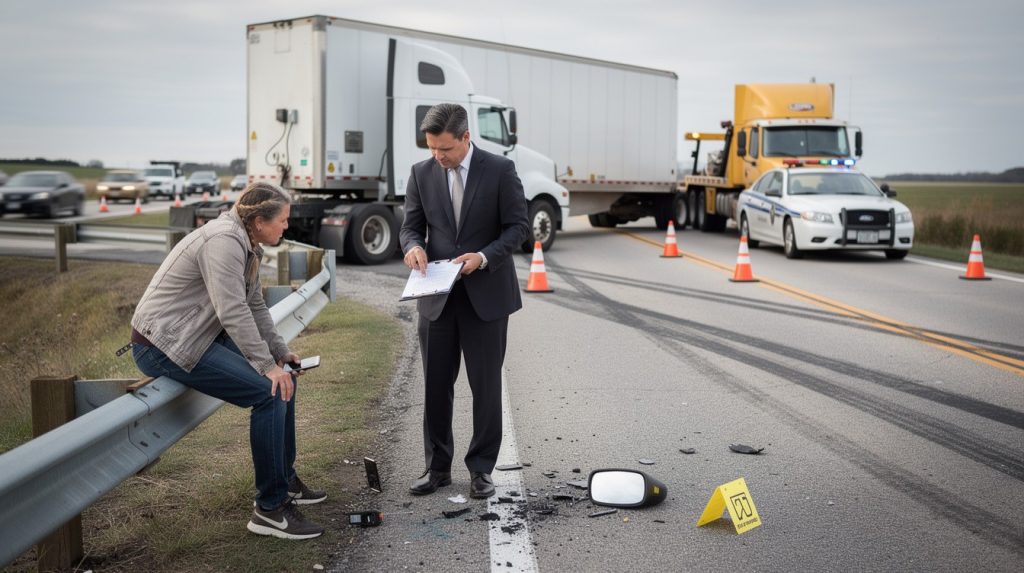
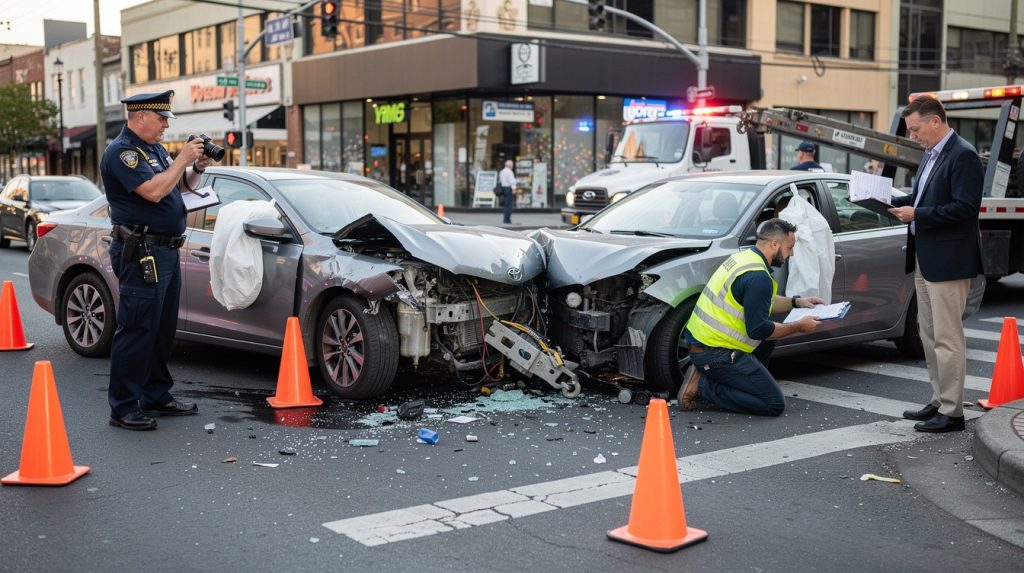
The first hour after a collision determines how strong your claim becomes. Police reports filed within 24 hours in California carry more weight than those filed later, and insurance companies scrutinize delays as potential red flags. Start by moving to safety if possible-if vehicles are drivable and traffic allows, move them out of the travel lane to prevent secondary accidents. Call 911 if anyone is injured or if there’s significant property damage. Sacramento County Sheriff’s Department or local police will document the scene officially, and that report number becomes central to your claim.
Document Everything Visually
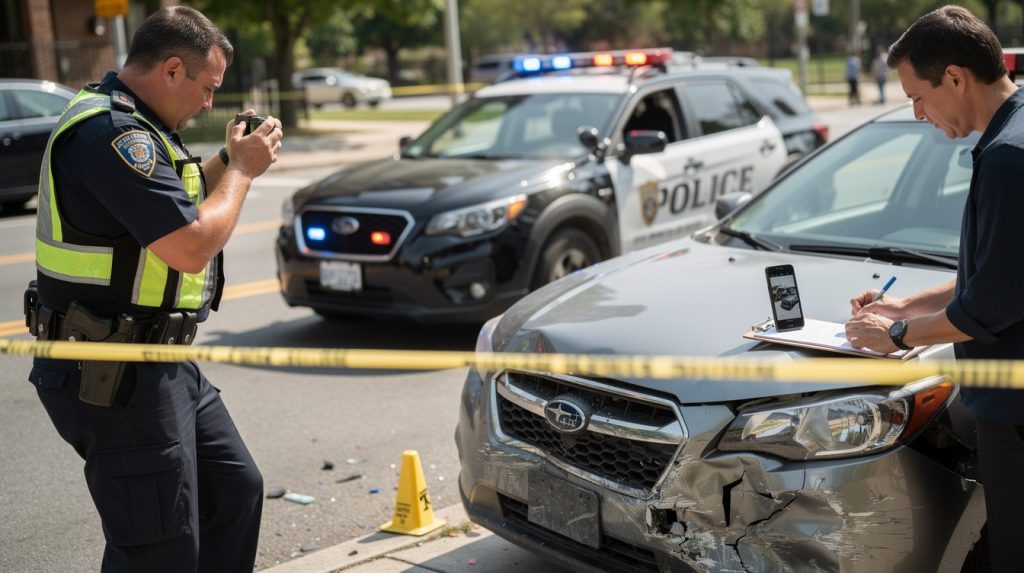
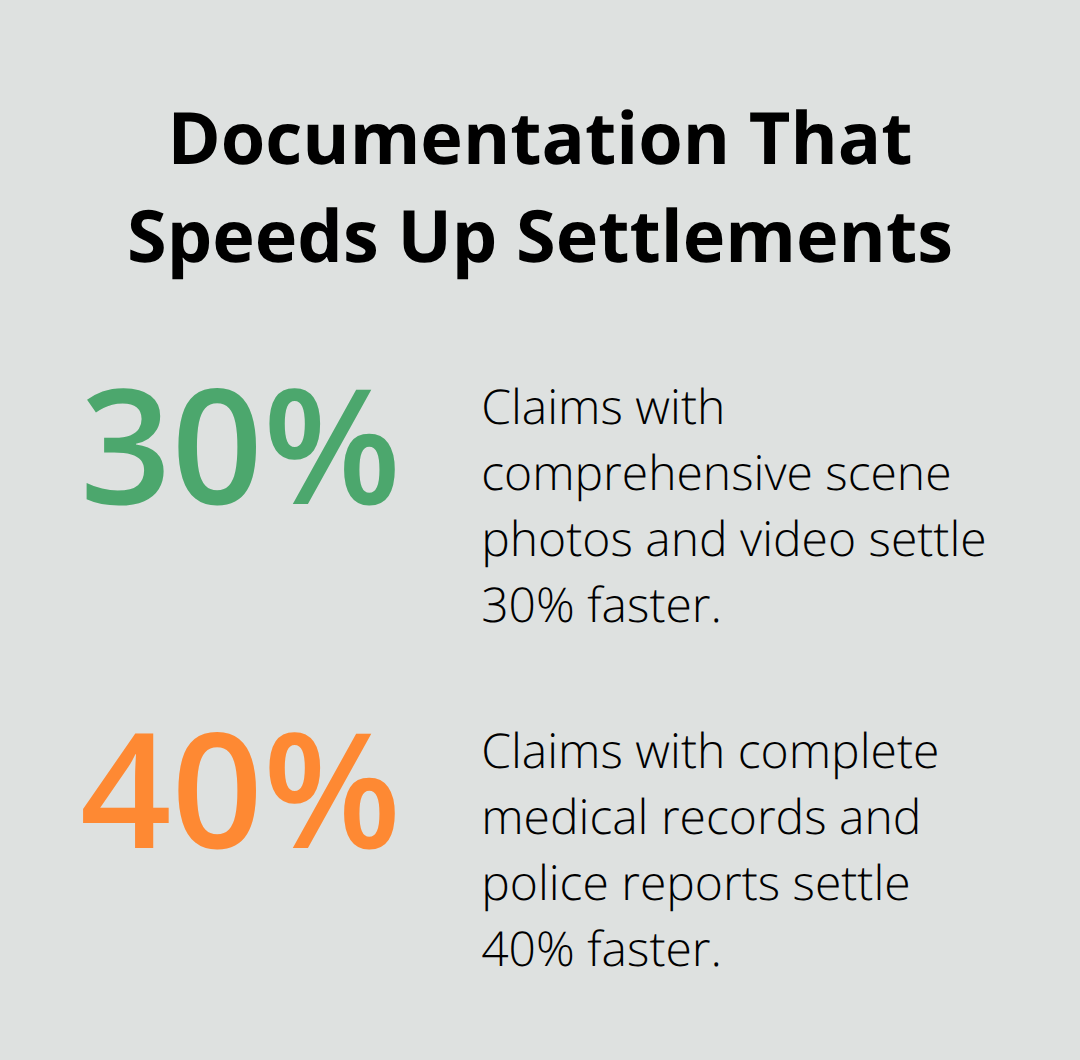
Take photos immediately while details are fresh: wide shots of vehicle positions, close-ups of damage, road conditions, traffic signals, and any visible injuries. Video walks around both vehicles work better than photos alone because they show context and sequence. Get at least five photos from different angles-insurance adjusters report that claims with comprehensive scene documentation settle 30% faster than those without visual evidence. Weather conditions matter too, so photograph wet roads, glare, or poor visibility if present.
Collect Information from the Other Driver
Ask the other driver for their full name, phone number, address, driver’s license number, vehicle identification number, license plate, insurance company name, policy number, and employer information. Do this calmly and record it in your phone notes immediately-memory fails within hours. Avoid admitting fault or discussing injuries in detail.
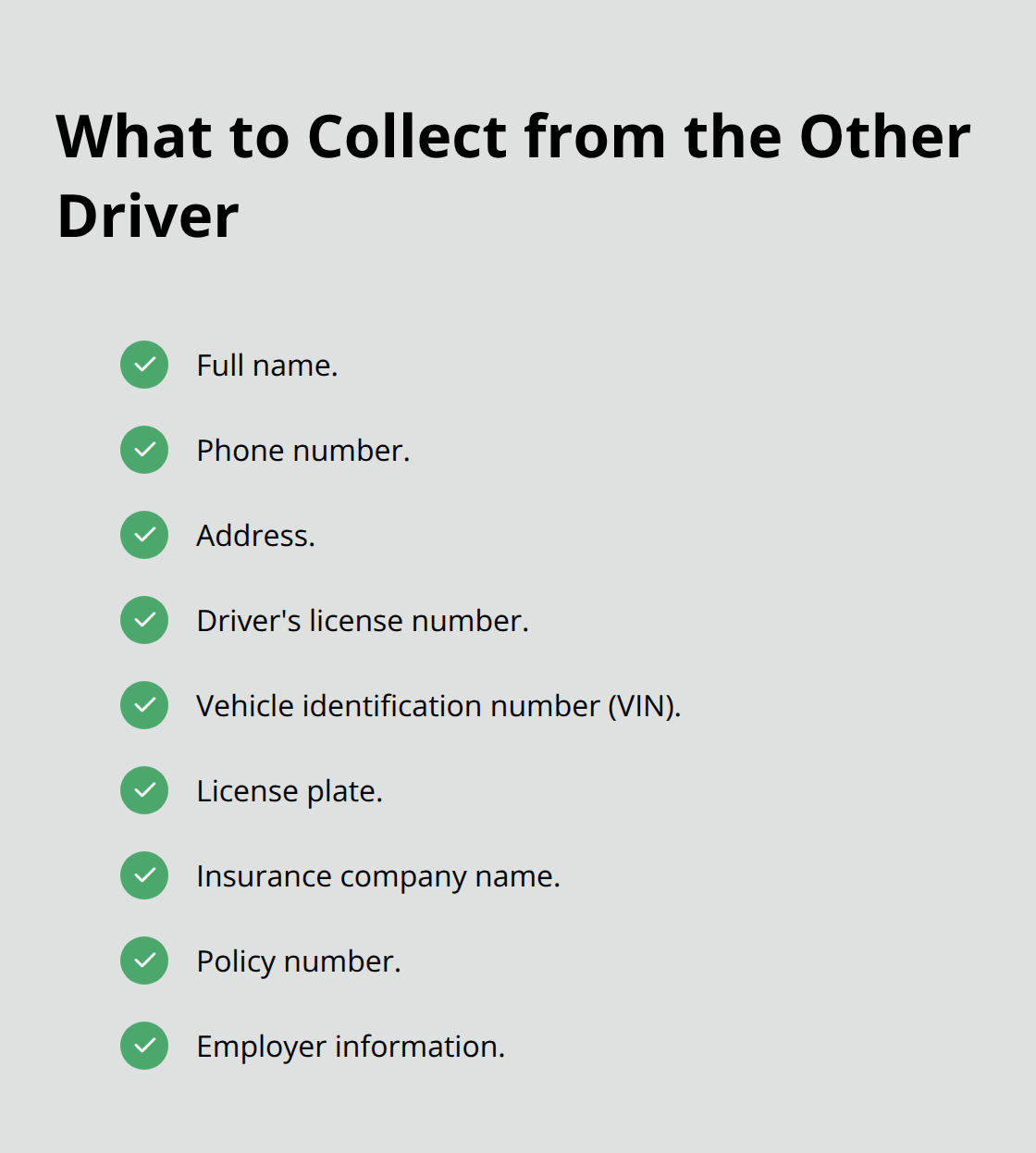
Exchange information with the other driver at the scene, but keep conversations factual and brief.
Gather Witness Details
Ask witnesses for their names, phone numbers, and what they saw; most won’t volunteer contact information unless you request it directly. Write down their statements while they remain fresh in your mind. Witness accounts often prove decisive when liability becomes disputed later.
Report to Police and Your Insurance Company
Report the accident to your insurance company within 24 hours, not days later. California law doesn’t require police involvement for minor accidents, but filing a report protects you if the other driver later claims different facts. When you contact your insurer, stick to facts: time, location, vehicle descriptions, and what happened. Don’t speculate about who caused the accident or volunteer information beyond what police asked. Keep records of every conversation, including dates, times, and names of people you spoke with.
These details form the foundation for evaluating your situation. Understanding how insurance adjusters review your claim comes next-and knowing their process helps you present the strongest possible case.
How Insurance Adjusters Evaluate Your Sacramento County Claim
The Four Factors That Determine Your Settlement
Insurance adjusters don’t start with a fair settlement offer-they start by looking for reasons to minimize what they pay you. Within days of your claim, adjusters assign a value based on four core factors: liability (who caused the accident), policy limits (the maximum your policy covers), medical documentation (bills and treatment records), and comparable settlements in Sacramento County. An adjuster reviewing a rear-end collision with clear police fault will move faster than one handling a left-turn accident where liability splits between drivers. The National Association of Insurance Commissioners reports that claims with complete medical records and police reports settle 40% faster than incomplete files. This speed matters because delays cost you money-while your claim sits, medical debt grows and repair shops charge storage fees.
The Three Documents Adjusters Scrutinize Most
Adjusters scrutinize three specific documents above all others: the police report (which establishes fault), medical records (which prove injury severity), and repair estimates (which quantify vehicle damage). Missing any one of these creates friction that delays payment by weeks or months. If your medical treatment spans months, adjusters want records from every visit-gaps in treatment suggest your injuries weren’t serious, even if you simply couldn’t afford frequent visits. Repair estimates from multiple shops actually work against you; adjusters pick the lowest estimate, so one estimate from a reputable shop beats three competing bids.
What Triggers Claim Denials and Delays
Common denial triggers include delayed police reports (filed more than 24 hours after the accident), no medical treatment within 72 hours of the collision, or statements admitting partial fault. Sacramento County courts recognize comparative negligence, meaning you can recover even if you’re partially at fault, but adjusters use any admission of fault to reduce your settlement. Document every expense related to your accident-rental car receipts, prescription costs, mileage to medical appointments-because adjusters only pay for documented losses. Weather conditions, road hazards, and traffic signal status (captured in your initial photos) all strengthen your position when adjusters question liability.
Moving Forward With Your Claim
The documentation you gather at the accident scene directly determines how adjusters evaluate your case. When insurance companies deny or delay payments unreasonably, legal action becomes necessary-and that’s where understanding your options beyond the insurance process matters most.
When Insurance Settlements Fall Short in Sacramento County
Why Insurance Companies Undervalue Your Claim
Insurance companies count on you accepting their first offer. Initial settlement proposals from adjusters average 30-40% below what claimants recover through legal action, according to data from the American Association for Justice. The gap widens significantly when medical treatment extends beyond a few weeks or when liability remains contested. Your actual losses extend far beyond what appears on medical bills. Lost wages during recovery, reduced earning capacity if injuries cause long-term limitations, vehicle replacement costs exceeding repair estimates, and pain and suffering compensation rarely appear in insurance company calculations. Sacramento County courts recognize these broader damages, but insurance adjusters operate under profit mandates that reward low payouts. When an adjuster offers $15,000 for a collision that caused three months of medical treatment and lost income, that number reflects their financial interest, not your actual recovery needs.
Calculate Your True Damages
Add medical bills, prescription costs, rental car expenses, repair costs, lost wages (multiply your daily rate by days missed from work), and reduced earning capacity if injuries prevent returning to your previous job. Insurance adjusters typically undervalue pain and suffering by 40-60% compared to what juries award in Sacramento County, making this category a primary reason legal claims outpace settlements. Most accident victims fail to account for future medical costs or ongoing physical therapy when accepting initial offers. Your documentation from the accident scene directly influences damage calculations; photos showing traffic signal status, road hazards, or weather conditions strengthen your position considerably.
Assess Liability Strength and Evidence
Determining whether to pursue legal action requires honest assessment of three specific factors: the strength of liability evidence, the completeness of your damage documentation, and whether the insurance offer covers your actual losses. Clear liability cases (rear-end collisions, traffic signal violations captured on video, police reports assigning fault to the other driver) move quickly through the legal process because defendants rarely dispute obvious negligence.
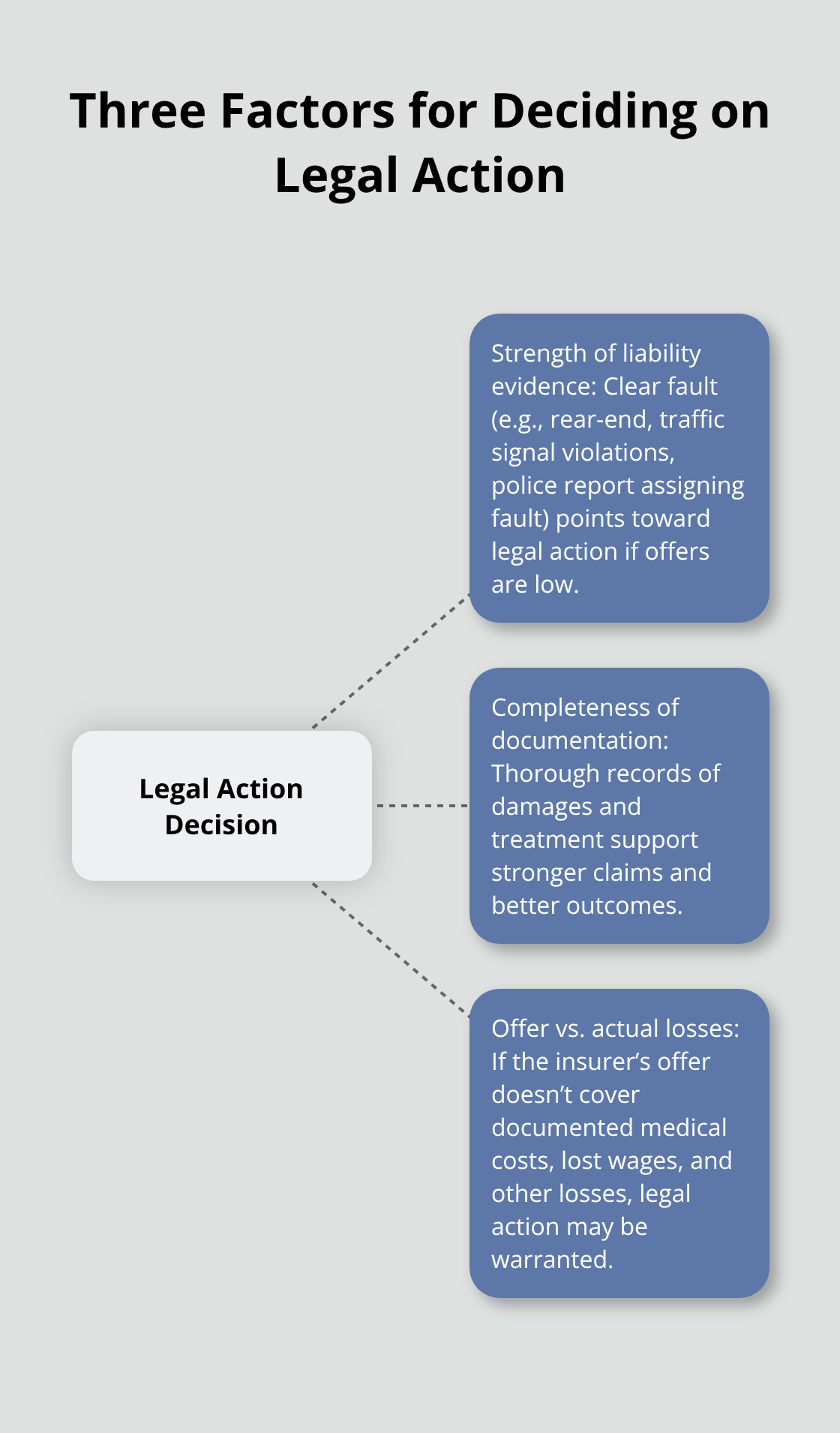
Contested liability situations, particularly left-turn accidents or multi-vehicle collisions, demand thorough investigation of traffic camera footage, witness statements, and accident reconstruction analysis. Strong evidence transforms settlement negotiations because insurance companies recognize the risk of losing at trial.
When to Pursue Legal Action
Legal claims make financial sense when insurance offers fall significantly short of your documented losses. We at O’Brien & Zehnder Law Firm help clients understand whether pursuing a claim beyond insurance makes sense for their specific situation, considering the strength of evidence, completeness of records, and realistic recovery amounts under California law.
Final Thoughts
Vehicle collision claims in Sacramento County demand immediate action and careful documentation. The steps you take in the first hours after a collision directly determine whether you recover fair compensation or accept an inadequate settlement. Photograph the scene thoroughly, gather witness information, file a police report within 24 hours, and contact your insurance company promptly.
Insurance adjusters evaluate claims based on liability evidence, medical documentation, repair estimates, and comparable settlements in your area. Complete records accelerate the process significantly, while gaps in documentation trigger delays and denials. Understanding how adjusters work helps you present your case strategically rather than accepting their initial offers, which typically fall 30-40% below what legal claims recover.
Vehicle collision claims in Sacramento often require action beyond insurance settlements. Calculate your actual damages including lost wages, future medical costs, and pain and suffering compensation that adjusters routinely undervalue. Contact O’Brien & Zehnder Law Firm for a consultation about your specific situation and next steps toward recovery.