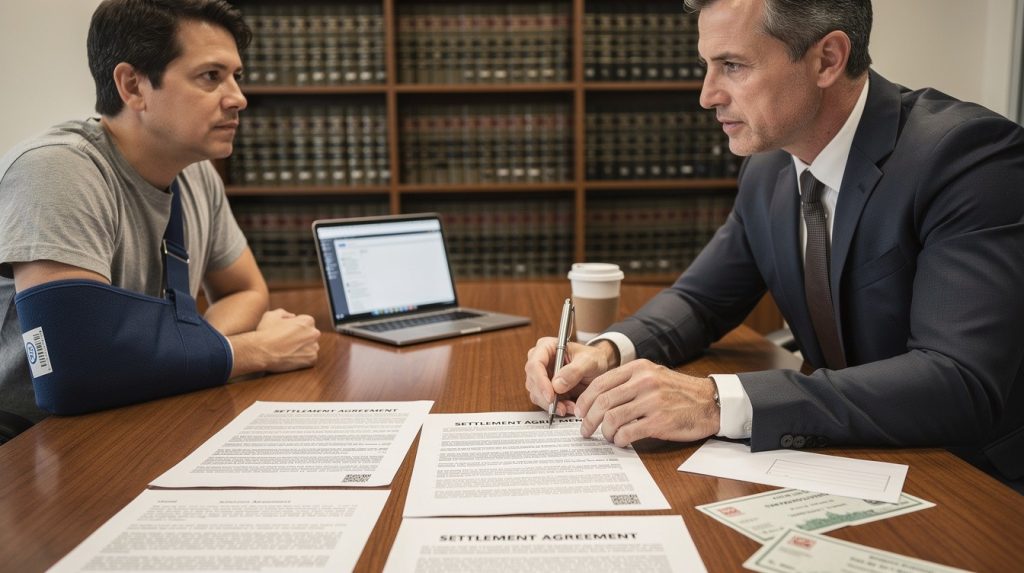
When you’re injured, what you document in the first hours and days can determine whether you receive fair compensation. Medical records, photographs, and witness statements form the backbone of any successful claim.
At O’Brien & Zehnder Law Firm, we’ve seen how proper documentation transforms weak cases into strong ones. This guide shows you exactly what to collect and how to avoid the mistakes that cost people thousands in lost settlements.
Medical Records Build Your Case from Day One
Your first medical visit after an injury creates your strongest evidence. Insurance companies scrutinize the gap between when an injury occurs and when you seek treatment, and delays raise immediate red flags. If you wait weeks or months to see a doctor, adjusters will argue your injuries weren’t serious enough to warrant immediate care. The American Journal of Forensic Medicine and Pathology found that claims with medical documentation within 48 hours of injury had significantly higher settlement rates than those with delayed treatment records. When you get medical attention right away, the doctor creates an objective record of your condition at a specific moment in time, which becomes nearly impossible for the opposing side to dispute later.
What Your Initial Medical Records Must Contain
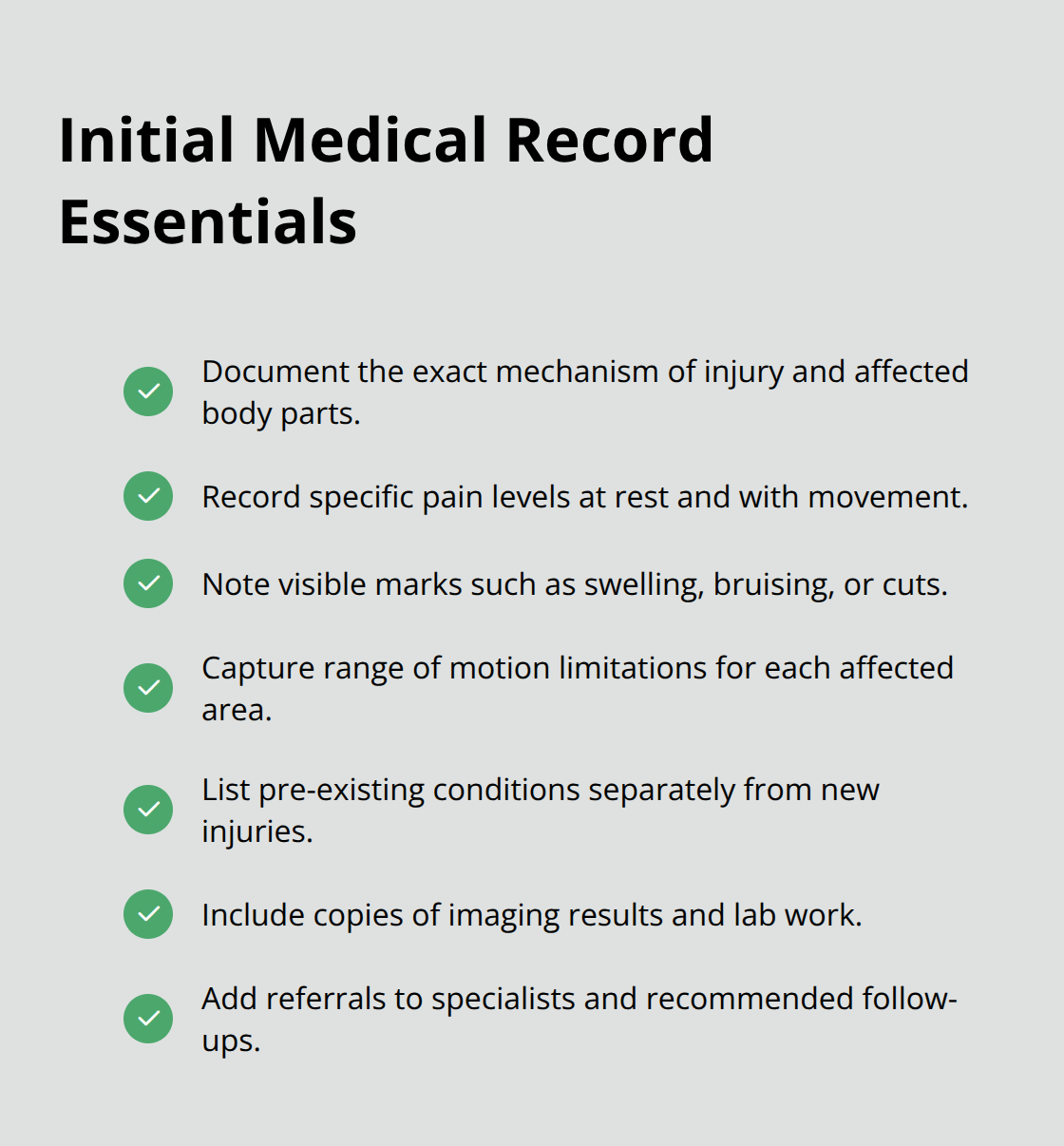
The quality of your first medical report matters far more than its length. Your doctor should document the mechanism of injury-exactly how the accident happened and what body parts were affected. They should record your specific pain levels, any visible marks or swelling, and your range of motion limitations. Ask your healthcare provider to note any pre-existing conditions separately from new injuries, as this distinction directly impacts your claim’s value. Request copies of imaging results, lab work, and any referrals to specialists immediately. These documents create a chain of evidence that shows causation, not coincidence, between the accident and your medical condition.
Ongoing Treatment Proves Your Injuries Are Real
Consistent follow-up appointments demonstrate that your injuries require ongoing management, not just one-time treatment. Insurance adjusters often dismiss claims from people who see a doctor once and disappear for months. Physical therapy sessions, specialist consultations, and regular check-ups with your primary care physician all strengthen your position. The frequency and duration of your treatment directly correlate with settlement amounts, according to data from personal injury claim analyses. If your doctor recommends treatment, follow through completely rather than stopping early to save money. Gaps in treatment give adjusters ammunition to claim you’ve recovered, which can slash your compensation significantly.
How Documentation Affects What Happens Next
The records you gather now determine your options later. Insurance companies base their settlement offers on the strength of your medical evidence, and courts rely on these same documents when cases go to trial. Thorough documentation gives you leverage in negotiations and protects your interests if litigation becomes necessary.
Document Injuries Properly in Sacramento County: What to Capture at the Scene and Beyond
Photograph Injuries and Property Damage Immediately
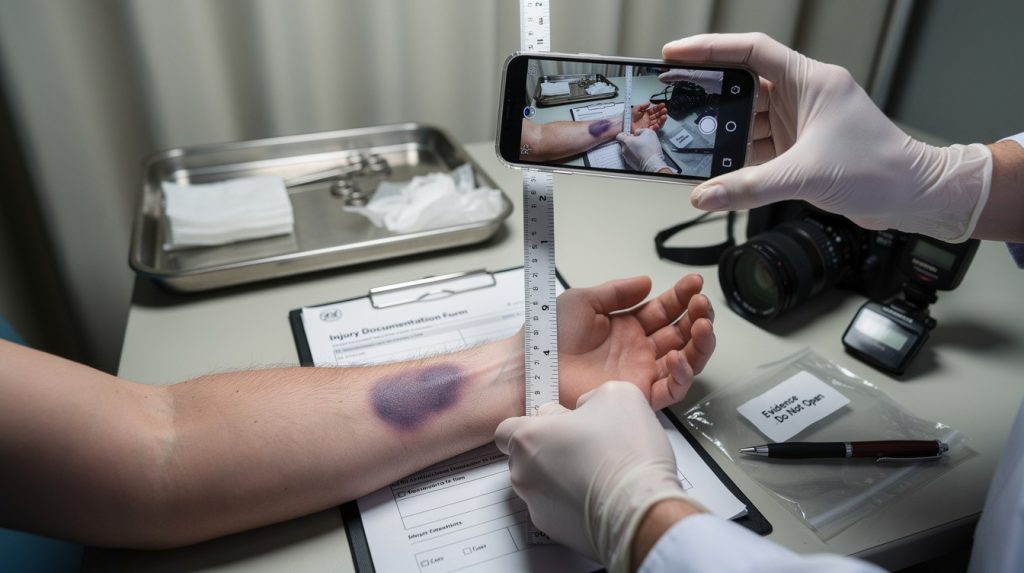
The moments immediately after an injury occur are chaotic, but what you capture then shapes your entire claim. Photographs of visible injuries should show the damage clearly without graphic detail-focus on swelling, bruising, cuts, and any visible deformity. Take multiple angles and include photos from the days following the accident as well, since swelling and discoloration often peak 24 to 72 hours after impact. Property damage photographs matter equally because they demonstrate the force involved in the incident. Insurance adjusters use vehicle damage patterns to estimate injury severity, and courts rely on these visual records when medical evidence alone seems ambiguous.
If you’re injured at a business or on someone’s property, photograph the hazardous condition that caused your fall or accident before property owners have time to fix it. Write down the date, time, and location on the back of printed photos or include timestamps in your digital files.
Collect Witness Information Before People Leave
Witness contact information becomes irreplaceable once people leave the scene. Get their full names, phone numbers, email addresses, and home addresses if possible. Ask what they actually saw, not just whether they’ll help-some witnesses become unavailable or forgetful months later when your claim progresses. Insurance companies know that eyewitness accounts carry substantial weight, so detailed witness statements can pressure them toward fair settlement offers.
Organize Medical Records and Receipts Systematically
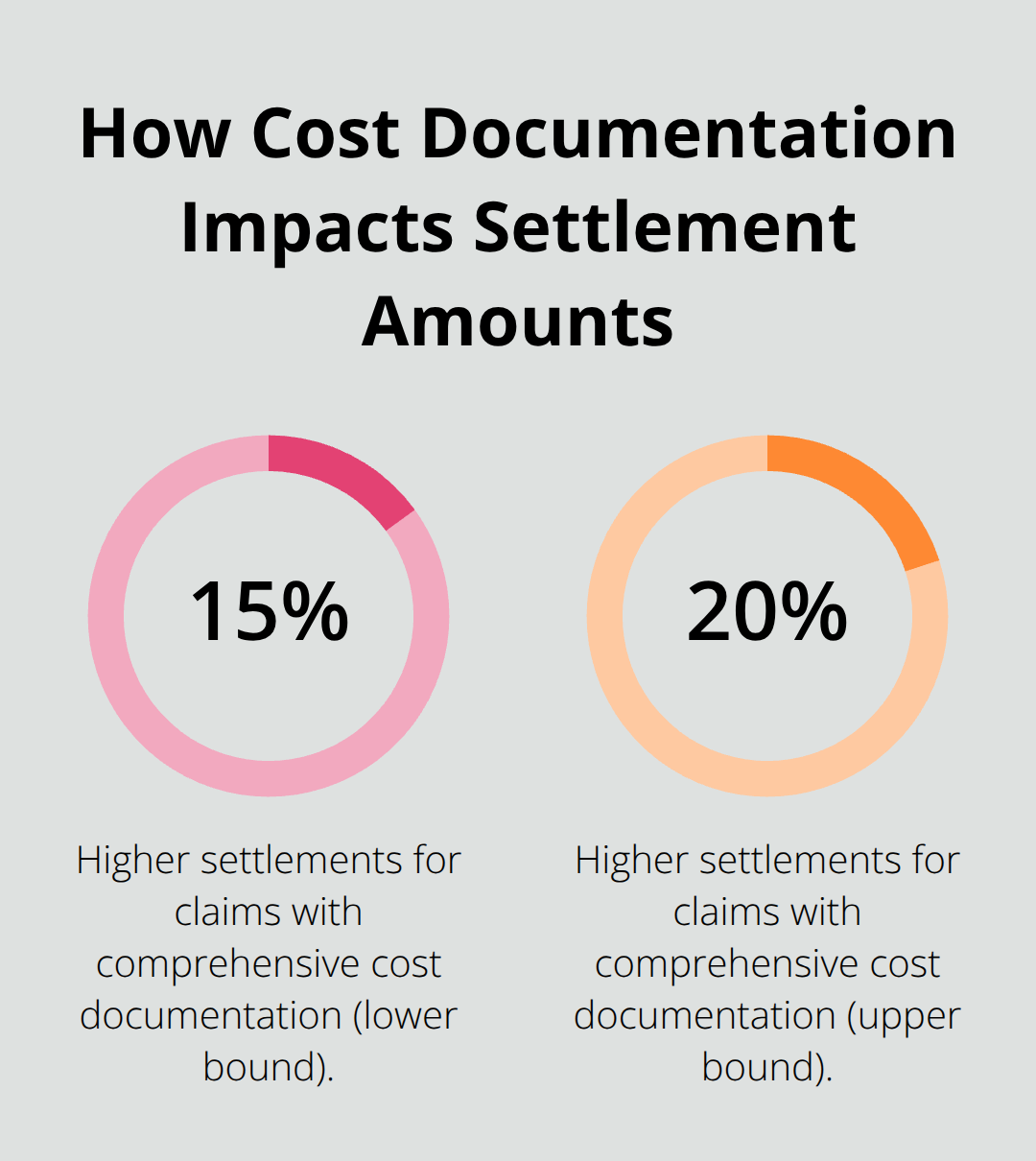
Your documentation doesn’t end when you leave the scene. Keep a dedicated folder for every medical receipt, prescription, bill, and appointment confirmation. Medical records from hospitals and clinics are essential, but you also need documentation of medications you purchased, medical equipment you rented or bought, and transportation costs to appointments. The National Association of Insurance Commissioners reports that claims with comprehensive cost documentation receive settlements 15 to 20 percent higher than those with incomplete records.
Create a simple spreadsheet tracking appointment dates, healthcare providers seen, treatment provided, and costs incurred. If your doctor recommends specific treatment frequencies, follow the schedule precisely and document any missed appointments with reasons. Insurance adjusters scrutinize treatment gaps, and you need a clear record showing whether you followed medical advice or chose to skip appointments for financial reasons.
Track Medications and Request Detailed Billing Statements
Keep prescription bottles with labels showing the medication name, dosage, and pharmacy information. Request itemized billing statements from all providers rather than accepting summary invoices, since detailed charges help establish the true cost of your recovery and strengthen compensation demands. This documentation foundation (combined with your medical records and photographs) positions you to move forward with confidence when addressing the common mistakes that actually weaken claims.
Common Documentation Mistakes That Weaken Claims in Sacramento County
Treatment gaps are the single biggest mistake that destroys otherwise solid injury claims. When you stop seeing doctors for weeks or months, insurance adjusters interpret this silence as proof that your injuries weren’t serious. They’ll argue in writing that you’ve recovered, and this argument becomes nearly impossible to overcome later. A study from the Journal of Forensic Sciences found that claims with treatment interruptions longer than 30 days settled for an average of 40 percent less than claims with consistent care. If your doctor recommends physical therapy twice weekly for eight weeks, skipping sessions to save money doesn’t just slow your healing-it gives adjusters documented evidence that you didn’t take your own recovery seriously.
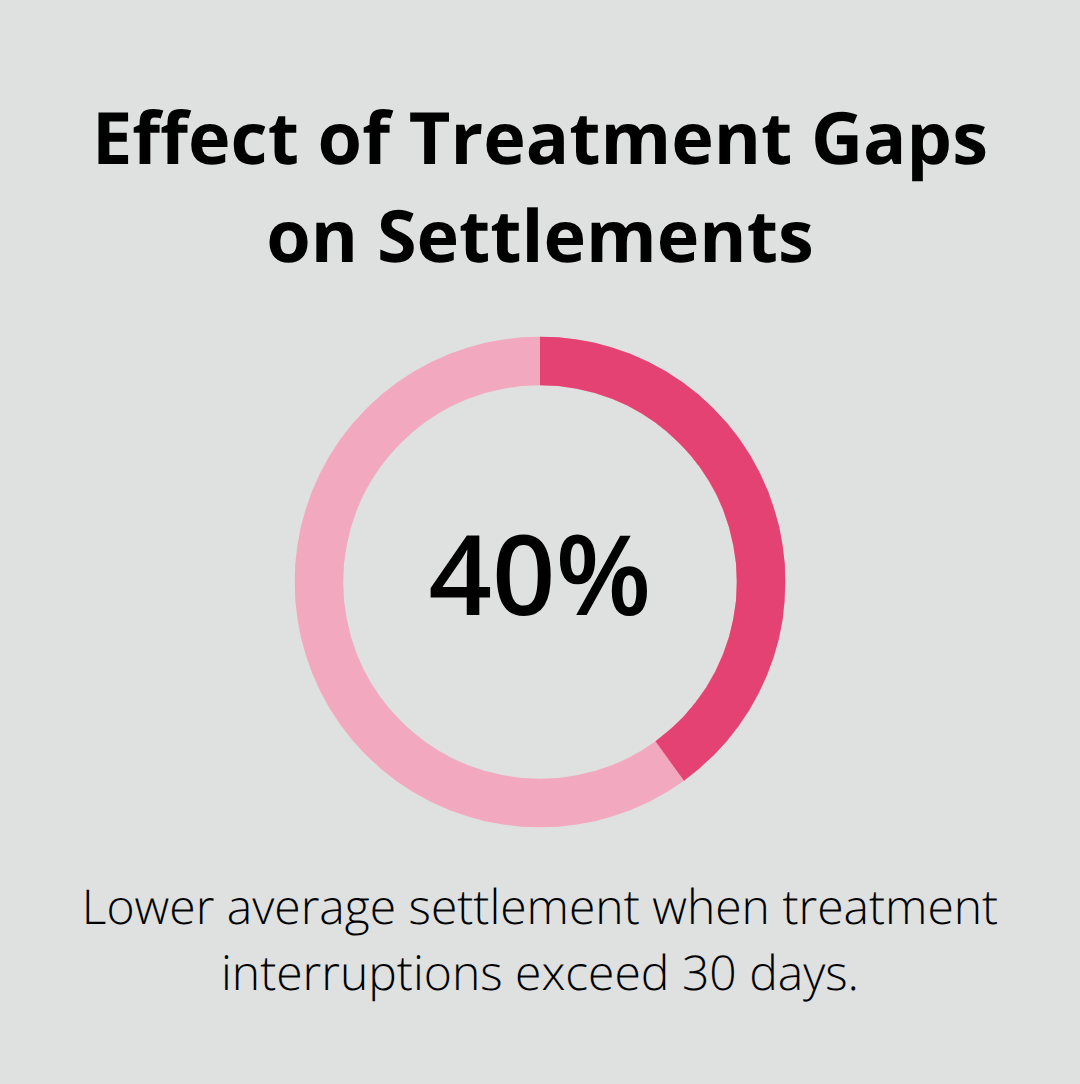
The moment you stop treatment, the clock starts ticking against your claim’s value.
What Insurance Adjusters Do With Your Casual Remarks
Everything you say to an insurance adjuster can and will be used against you. Many people make the mistake of being friendly or casual during initial phone calls, mentioning that they’re feeling a bit better or that they managed to do light activities around the house. Insurance companies record these conversations and use them in settlement negotiations to argue your injuries are less severe than your medical records suggest. One careless comment like “I’m doing pretty well considering the circumstances” can reduce your settlement offer by thousands. Never discuss your condition, symptoms, or recovery progress with anyone representing the insurance company. Stick to factual statements only: “I’m following my doctor’s treatment plan and I’m not able to discuss my medical condition.” Keep all communication with adjusters in writing through email so you have a clear record of what was actually said, not what the adjuster claims you said during a phone call.
Why Unreported Symptoms Cost You Money
Your medical records can only document what you actually reported to your healthcare providers. If you downplay pain levels during appointments or fail to mention symptoms you were too embarrassed to discuss, those gaps become permanent holes in your claim. Adjusters will argue that symptoms not documented in medical records didn’t exist. Report every symptom to your doctor, even ones that seem minor or embarrassing-numbness, tingling, sleep disruption, anxiety, memory problems, and sexual dysfunction are all legitimate injury consequences that belong in your medical file. The National Center for Biotechnology Information reports that claims with comprehensive symptom documentation across multiple appointments receive 35 percent higher settlements than those with incomplete reporting. Write down your symptoms before each appointment and bring your notes with you so you don’t forget anything during the visit (this simple step prevents costly omissions that adjusters exploit later).
Final Thoughts
The documentation you gather after an injury determines your financial recovery. Medical records, photographs, witness statements, and consistent treatment form the evidence that insurance companies use to calculate settlement offers and that courts rely on during trials. When you document injuries properly from the first hours after an accident, you eliminate the ambiguity that adjusters exploit to reduce compensation.
Strong medical records accomplish what casual claims cannot. They create an objective timeline of your condition, establish clear causation between the accident and your injuries, and demonstrate that your recovery required genuine medical intervention. Every appointment you keep, every symptom you report, and every photograph you take strengthens your position in negotiations-and the data confirms it, with comprehensive documentation resulting in significantly higher settlements than incomplete records.
If you’re facing an injury claim and need guidance navigating the insurance process, O’Brien & Zehnder Law Firm helps Sacramento County clients understand and pursue claims involving car, truck, motorcycle, pedestrian, premises-liability, product-liability, and dog-bite incidents. Contact the firm for a consultation to discuss your claim and receive guidance through the insurance and legal process so you can focus on recovery.